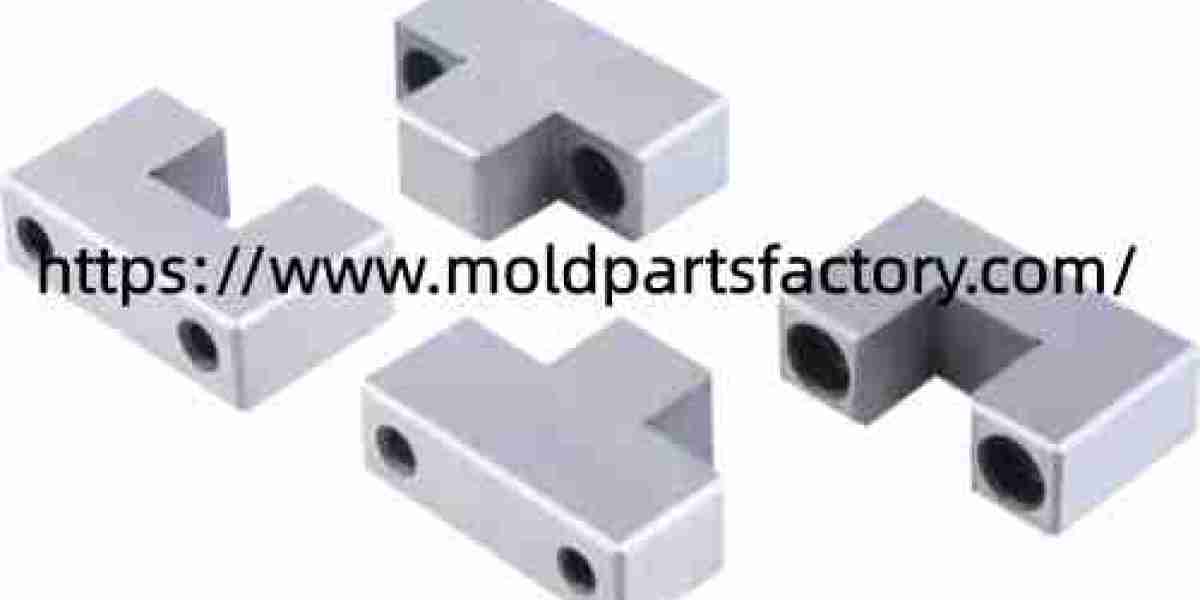

Precision Positioning Block selection deserves careful attention because a small alignment component can influence how mold sections meet, how inserts remain aligned, and how consistently an assembly works through repeated cycles. Before placing an order, engineers should compare the component dimensions with the mold drawing, review the required tolerance, and confirm that the selected design matches the available installation area. A component that fits the drawing but does not suit the surrounding structure can create unnecessary adjustment work during assembly.
Dimensional compatibility should be checked before material or surface treatment becomes the main focus. Confirm the overall length, width, height, hole locations, contact areas, and mounting dimensions against the tooling design. Even a small difference can affect how two mold sections meet. The supplier should also provide clear dimensional information so the engineering team can verify the part without relying on assumptions. For custom tooling, drawing review can be especially useful because the component may need to match existing cavities, inserts, plates, or other mechanical elements.
Material selection also deserves attention. Different mold environments can expose components to repeated mechanical contact, pressure, vibration, temperature changes, or abrasive conditions. The suitable material depends on the application rather than a single universal specification. Heat treatment may also influence hardness, wear behavior, and dimensional stability. When comparing suppliers, ask for material information and available treatment options. This creates a clearer basis for evaluating whether the component fits the intended working conditions.
The geometry of the component should be reviewed together with the mold structure. Some tooling designs have limited space around the installation area, while others require a particular contact direction or mounting arrangement. Side mounted systems, tapered structures, and square configurations can serve different engineering purposes. The chosen shape should allow the mold to close and open without unwanted interference. It should also provide enough working clearance for assembly and inspection. In applications involving small inserts or closely spaced mold features, careful alignment can help reduce the possibility of contact between neighboring components.
Fastening details are another practical point. Engineers should check screw size, hole depth, thread type, mounting direction, and access for tools. A component may have suitable external dimensions but still be difficult to install if the fastening area is obstructed by another plate or mechanism. Installation should also allow future inspection and replacement where required. A thoughtful layout can reduce maintenance time and make routine mold servicing easier.
The Double Bolt Angular Pins Retainer arrangement may also require attention when retention and movement control are part of the tooling design. Engineers should examine the relationship between the retaining arrangement, moving elements, available travel, and surrounding hardware. The dimensions shown in the tooling drawing should always be checked before production so that the complete assembly operates without interference. This type of review is particularly useful when several mechanical components operate within a limited installation area.
Supplier communication can make the selection process much smoother. Provide the mold drawing, required dimensions, material preference, quantity, application conditions, and any special machining requirements. If the part is intended for an existing mold, sharing the current component dimensions can help reduce uncertainty. For custom orders, technical discussion before machining can also clarify tolerance requirements and installation details.
Moldpartsfactory focuses on mold components for applications where dimensional consistency and practical installation matter. Its positioning component range includes locating blocks and related mold parts intended for injection mold assembly. Product information can help engineers compare suitable configurations before placing an order.
A useful purchasing decision should therefore begin with the mold drawing rather than the component catalogue alone. Check dimensions, tolerance, material, treatment, geometry, fastening method, working clearance, and maintenance access. These factors give engineers a clearer basis for choosing a component that fits the actual tooling environment. When the technical requirements are clearly defined, communication with the supplier becomes easier and the risk of avoidable installation changes can be reduced.
For engineers reviewing available mold component solutions, the product range and technical information from Moldpartsfactory can be viewed at https://www.moldpartsfactory.com/ where relevant component details can support the next stage of tooling evaluation.