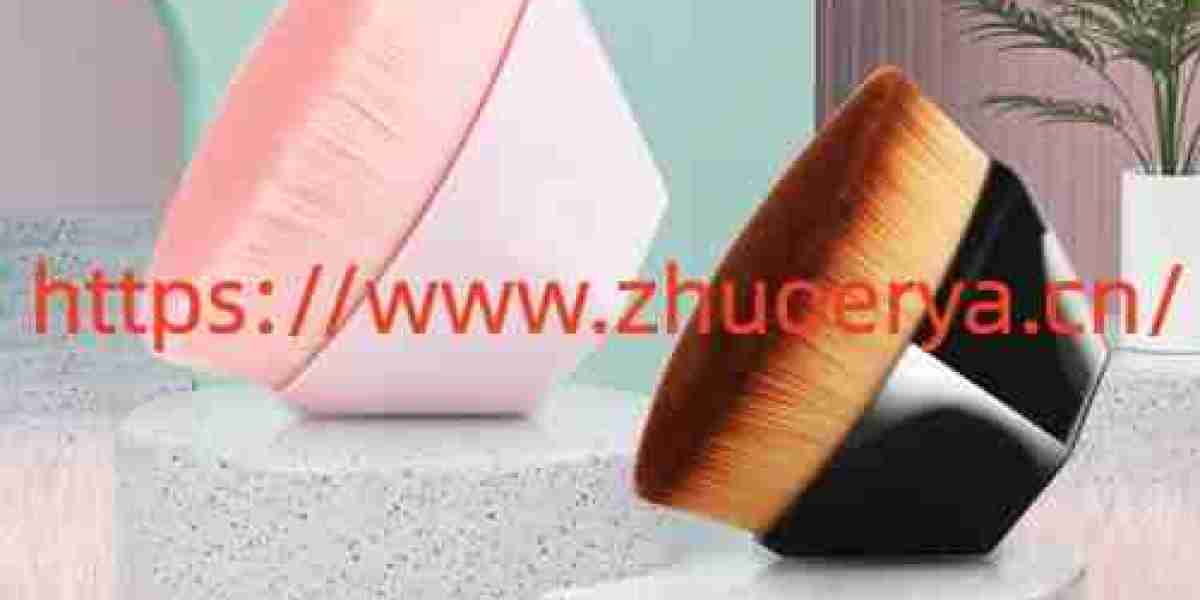

Face Foundation Brush use offers clear practical reasons when placing base makeup compared with fingers or sponges. Direct hand contact transfers natural oils and residue from the skin surface onto the product which can alter texture and shorten wear time. Sponges tend to absorb a notable portion of liquid or cream formulas leaving less available for the actual surface and requiring extra product to reach the same level of coverage. An applicator tool avoids both issues by keeping the formula on the outer fibers and allowing measured transfer.
Control stands out as a key factor. Fingers spread material broadly but lack fine direction especially near the hairline nostrils and outer edges of the jaw. The result often shows uneven thickness or visible lines where the product meets bare skin. Sponges can bounce product into place yet their flexible shape makes it harder to maintain consistent pressure across larger areas. A structured applicator lets the user adjust angle and force so the layer builds gradually from the center of the features outward. Light tapping or short circular motions distribute the material without dragging which reduces the chance of streaks forming.
Hygiene receives attention in many discussions of daily routines. Hands carry bacteria from earlier activities even after washing and repeated contact can introduce those elements into the product container or onto the skin. Sponges hold moisture after use creating conditions where residue multiplies if not cleaned thoroughly each time. An applicator with synthetic fibers rinses clean under mild soap and water then air dries quickly so the next application starts from a fresher state. Regular care keeps the tool in working condition for longer periods and supports clearer skin over time.
Product efficiency appears in real use. Because sponges soak up formula the amount dispensed from the bottle or tube often exceeds what ends up on the surface. Users report needing additional pumps simply to compensate for what remains inside the pad. An applicator releases nearly all the material it picks up so the same quantity covers a wider area. This difference becomes noticeable with higher priced formulas where every drop counts. The fibers also allow buildable layers. A thin first pass creates a light base then a second pass adds density only where needed such as around the center of the cheeks or along the nose bridge.
Texture of the finished look benefits from the tool choice. Fingers warm the product which can make certain formulas melt too quickly and settle into fine lines. Sponges create a soft diffused effect yet may leave tiny air pockets if the material is not fully pressed in. The applicator presses and buffs simultaneously so the layer adheres more evenly and sits closer to the surface. For cream or liquid textures this method helps the product stay flexible throughout the day rather than cracking or separating.
Different formulas respond in distinct ways. Lightweight tints spread easily with minimal pressure while denser creams need firmer fibers to move them across the surface without skipping. The density and shape of the applicator head influence the outcome. A slightly rounded tip reaches recessed areas while a flatter plane covers broader zones in fewer passes. Users can switch techniques within the same session depending on the coverage goal for that day.
Maintenance remains straightforward. After each use rinse under lukewarm water with a gentle cleanser working the fibers from base to tip until the water runs clear. Reshape the head lightly then lay flat or hang with the tip downward so moisture does not collect near the ferrule. Allow full drying before the next session. This simple sequence prevents product buildup and keeps the fibers flexible.
Many people notice the difference after switching methods for a short trial period. The combination of lower waste greater directional control and improved cleanliness makes the applicator a practical addition to the routine. Zhuoerya designs tools with these daily needs in mind focusing on synthetic fibers that release product readily and clean without special solvents. The construction supports repeated use while maintaining shape under normal pressure.
In practice the choice depends on personal preference and the specific formula in use yet the advantages of measured application reduced absorption and cleaner contact remain consistent. Those seeking to refine their process can review available options that align with these principles at https://www.zhuoerya.cn/ where further details on construction and care appear.