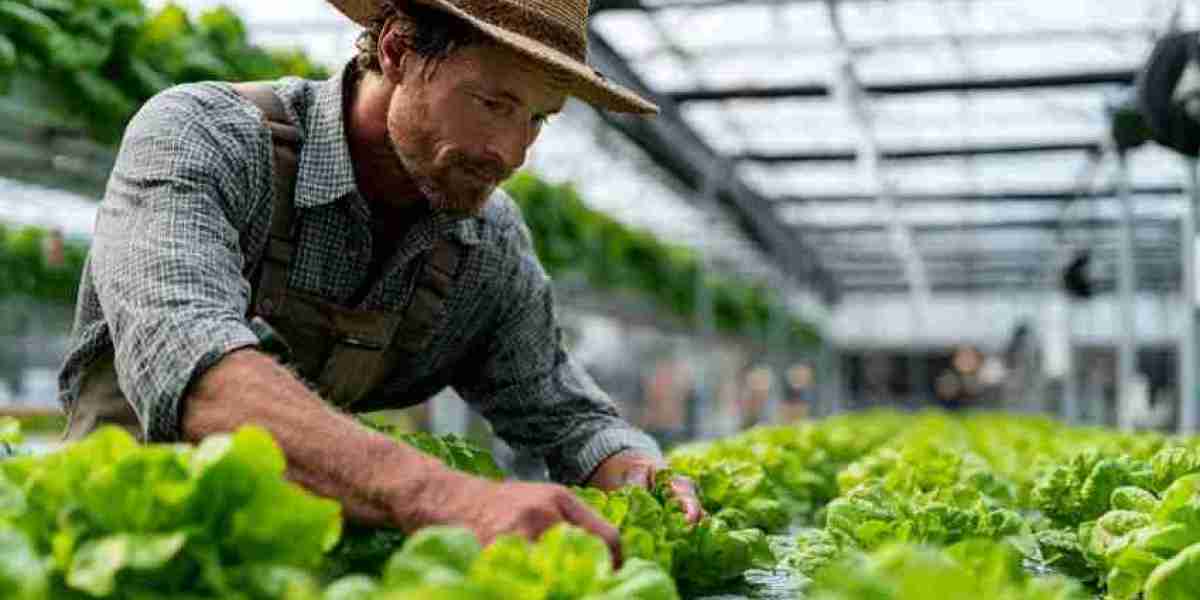

Regenerative Farming Practices Are Transforming Modern Agriculture
The global agriculture industry is undergoing a major transformation as farmers and agricultural organizations increasingly adopt sustainable farming practices to improve soil health, enhance crop productivity, and reduce environmental impact. Regenerative agriculture has emerged as a key approach supporting this transition by focusing on restoring natural ecosystems, improving soil fertility, and promoting long-term agricultural sustainability. Within this movement, agricultural microbials are gaining significant importance as biological solutions that improve plant growth, nutrient availability, and resistance against environmental stresses.
The global agricultural microbials market was valued at USD 10.10 Billion in 2025 and is projected to grow at a compound annual growth rate (CAGR) of 15.30% during the forecast period of 2025-2035, reaching approximately USD 41.94 Billion by 2035. The increasing adoption of regenerative farming practices, rising demand for sustainable crop protection solutions, growing awareness of soil health, and reduced dependence on chemical inputs are expected to drive market expansion.
Growing Adoption of Regenerative Agriculture Practices
Regenerative agriculture focuses on improving the natural productivity of agricultural ecosystems through practices such as crop rotation, cover cropping, reduced tillage, composting, and biological soil management. These approaches aim to restore soil biodiversity while enhancing crop resilience and agricultural productivity.
Agricultural microbials play a crucial role in regenerative farming by introducing beneficial microorganisms into the soil and plant systems. These microorganisms support nutrient cycling, improve soil structure, and enhance plant development, making them valuable tools for farmers seeking sustainable alternatives to conventional agricultural inputs.
Rising Demand for Biological Crop Protection Solutions
The increasing concerns regarding the environmental impact of chemical pesticides and fertilizers are encouraging farmers to adopt biological alternatives. Agricultural microbials provide an effective solution by helping control pests and diseases naturally while maintaining ecological balance.
Microbial-based products, including biofungicides, bioinsecticides, and biopesticides, are gaining popularity due to their ability to protect crops without causing significant harm to beneficial organisms. As regulatory authorities promote sustainable farming practices, the demand for microbial crop protection products is expected to increase.
Soil Health Improvement Is Driving Microbial Adoption
Healthy soil is the foundation of regenerative agriculture, and microbial solutions are becoming essential for restoring soil quality. Beneficial microorganisms improve nutrient availability, enhance organic matter decomposition, and support stronger root development. These benefits help farmers achieve better crop performance while reducing dependency on synthetic inputs.
Degraded agricultural land and declining soil fertility have become major concerns worldwide. Agricultural microbials provide a natural approach to rebuilding soil ecosystems and improving long-term agricultural productivity, contributing significantly to market growth.
Growing Need for Sustainable Food Production
The increasing global population is creating greater demand for food production while placing pressure on agricultural resources. Sustainable farming methods are becoming essential for meeting food requirements without causing environmental damage. Agricultural microbials support this objective by improving crop yields and resource efficiency.
Farmers are increasingly adopting microbial solutions to maximize productivity while reducing fertilizer usage and minimizing environmental impact. This alignment with sustainable food production goals is strengthening the adoption of agricultural microbials worldwide.
Advancements in Microbial Biotechnology
Technological advancements in biotechnology are accelerating innovation within the agricultural microbials industry. Researchers are identifying new microbial strains with improved capabilities for nutrient enhancement, disease control, and stress tolerance. These discoveries are helping manufacturers develop more effective microbial-based agricultural products.
Advanced research methods, including genomics and molecular biology, are enabling scientists to better understand microbial interactions with plants and soil. These developments are improving product performance and expanding the application areas of agricultural microbials.
Increasing Adoption of Biofertilizers
Biofertilizers represent one of the fastest-growing segments within the agricultural microbials market. These products contain beneficial microorganisms that enhance nutrient availability by improving nitrogen fixation, phosphorus solubilization, and other essential soil processes.
Farmers are increasingly using biofertilizers as sustainable alternatives to chemical fertilizers. The growing focus on improving soil fertility while reducing environmental pollution is expected to support strong demand for microbial-based fertilizer solutions.
Government Support for Sustainable Agriculture
Governments worldwide are introducing policies and initiatives that encourage sustainable farming practices and reduce dependence on chemical agricultural inputs. Subsidies, research programs, and environmental regulations are supporting the adoption of biological agricultural solutions.
Many countries are promoting regenerative agriculture through farmer education programs and sustainable farming incentives. These initiatives are creating favorable conditions for agricultural microbial companies to expand their presence and develop innovative solutions.
Climate Change Is Increasing Demand for Resilient Crops
Climate change has increased challenges related to drought, extreme temperatures, soil degradation, and unpredictable weather patterns. Agricultural microbials help crops adapt to environmental stress by improving root development, nutrient absorption, and disease resistance.
Microbial solutions can enhance crop resilience while supporting sustainable farming under changing climatic conditions. As farmers seek methods to maintain productivity despite climate challenges, the demand for agricultural microbials is expected to rise.
Precision Agriculture Is Supporting Microbial Application
The integration of precision agriculture technologies is improving the efficiency of microbial product application. Digital farming tools, sensors, and data analytics enable farmers to identify specific soil conditions and apply microbial solutions more effectively.
Precision agriculture helps optimize microbial usage by ensuring that products are applied at the right time and location. This improves cost efficiency and enhances the overall effectiveness of microbial-based agricultural practices.
Organic Farming Growth Is Boosting Market Opportunities
The expansion of organic farming worldwide is creating new opportunities for agricultural microbial manufacturers. Organic farmers rely heavily on biological inputs for nutrient management and crop protection due to restrictions on synthetic chemicals.
As consumer demand for organic food products continues to increase, farmers are adopting microbial solutions to maintain productivity while meeting organic certification requirements. This trend is expected to contribute significantly to market growth.
Regional Market Outlook
North America represents a significant market for agricultural microbials due to strong adoption of sustainable farming practices, advanced agricultural research capabilities, and increasing demand for biological crop solutions. Farmers across the region are increasingly incorporating microbial products into regenerative and precision farming systems.
Europe is also witnessing strong growth due to strict environmental regulations, increasing organic farming activities, and government support for sustainable agriculture. The region's focus on reducing chemical input usage is encouraging the adoption of microbial-based solutions.
Asia-Pacific is expected to experience substantial growth during the forecast period due to rising agricultural production, growing awareness of sustainable farming, and increasing government initiatives supporting modern agricultural practices. Countries such as China, India, and Japan are investing in biological agriculture technologies to improve food security and sustainability.
Challenges Facing the Agricultural Microbials Market
Despite strong growth potential, the agricultural microbials market faces challenges such as limited awareness among farmers, inconsistent product performance under different environmental conditions, and complex regulatory approval processes. Microbial products require proper storage and application methods to maintain effectiveness.
However, ongoing research and development, improved product formulations, and increasing farmer education are helping overcome these challenges. Advances in biotechnology are expected to improve microbial product reliability and encourage wider adoption.
Future Outlook
Regenerative agriculture will continue to be a major driver of growth in the global agricultural microbials market as farmers increasingly seek sustainable solutions for improving soil health, enhancing crop productivity, and reducing environmental impact. The combination of biotechnology advancements, government support, precision agriculture, and rising demand for sustainable food production will create significant opportunities for market expansion.
With the global agricultural microbials market projected to grow from USD 10.10 Billion in 2025 to approximately USD 41.94 Billion by 2035, expanding at a CAGR of 15.30%, microbial solutions will play an increasingly important role in the future of sustainable agriculture. As regenerative farming practices gain momentum worldwide, agricultural microbials will remain a key technology supporting healthier soils, resilient crops, and environmentally responsible food production systems.