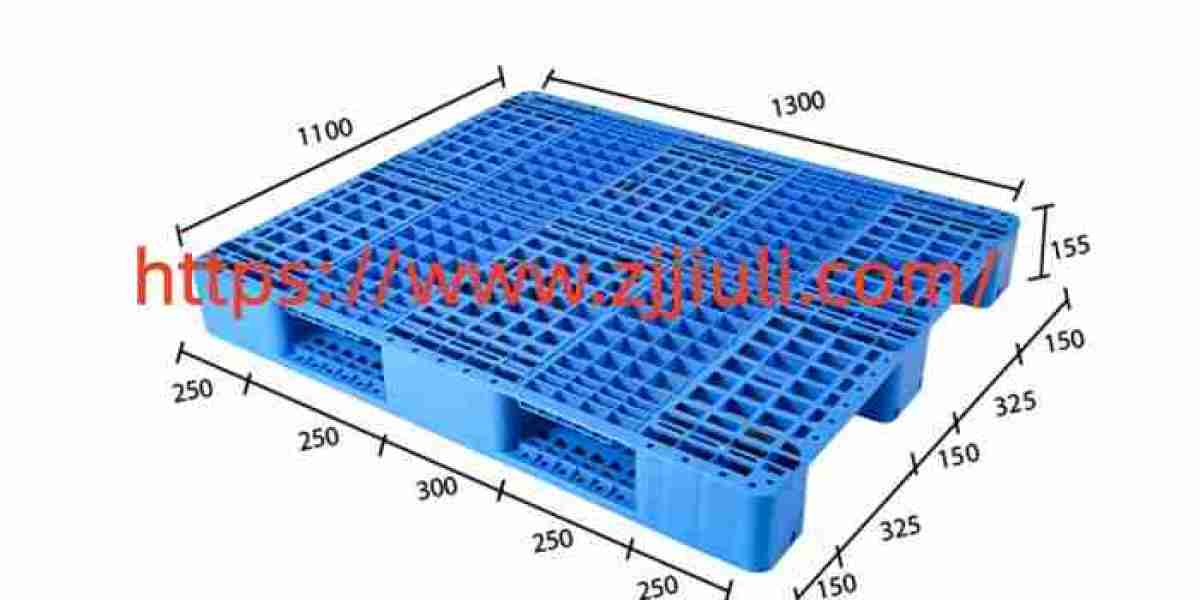

Industrial Plastic Pallets provide a practical path for companies that need to raise cleanliness standards and simplify cross border shipments when leaving traditional wooden carriers behind. Many warehouses and production sites still rely on wood yet face repeated issues with moisture uptake, surface cracks, and the need for special treatments before goods leave the country. These problems raise contamination chances in food, beverage, and pharmaceutical flows while adding paperwork and possible holds at customs.
The shift begins with surface properties. Wood remains porous and can hold liquids, residues, and microbes deep inside its fibers even after washing. Alternative platforms feature closed nonporous faces that shed water and allow thorough cleaning with pressure or chemical agents. This trait supports stricter sanitation programs common in regulated sectors. Workers also avoid splinters or protruding fasteners that can tear packaging or cause minor injuries. Consistent molded dimensions improve stacking reliability and reduce jams on conveyors or in automated storage systems.
Export rules add another layer of pressure. International standards require heat treatment or fumigation plus official marks on all solid wood packaging to limit pest movement between nations. Failure to meet the mark can delay clearance, force rework, or lead to rejection of entire loads. The modern units fall outside those rules because they contain no raw timber. Shipments therefore move with fewer documents and lower risk of inspection holds. Freight weight often drops as well, which can ease fuel use and capacity limits on long routes.
Operations that handle temperature sensitive or high care products notice additional gains. Cold chain environments can weaken wood through freeze thaw cycles and encourage mold when condensation forms. The newer carriers resist those effects and maintain structure across wider temperature ranges. In wet processing areas the same resistance prevents swelling or odor transfer that sometimes travels with reused wood. Over multiple trips the reduced need for repairs or early replacement improves planning and lowers waste generation.
Cost discussions usually start with the higher initial outlay for the alternative units. Yet many sites calculate total ownership differently once treatment fees, replacement frequency, product damage, and labor for sorting damaged wood are included. Cleaner handling also supports audit readiness under common food safety frameworks. Teams spend less time on corrective actions related to packaging surfaces.
Zhiguangplastic supplies a range of these platforms designed for repeated use in demanding logistics settings. Selection covers different load ratings and deck styles so users can match specific racking, forklift, or washing equipment. Material choices focus on durability under daily handling while remaining suitable for recycling streams at end of service.
Companies that have completed the change often describe fewer contamination incidents and more predictable border times. The decision rarely rests on a single factor. Instead it combines hygiene performance, regulatory simplicity, and steady operational results. Sites still evaluate load capacity, nesting options for empty returns, and compatibility with existing equipment before full adoption. Pilot runs on selected routes help confirm the fit.
Maintenance practices remain straightforward. Regular washing removes surface dirt and the nonporous nature limits residual buildup. Inspection focuses mainly on impact damage rather than progressive decay. When units reach the end of useful life the material can enter recovery channels instead of landfill in many regions.
The move away from wood continues across multiple industries because the practical advantages align with rising expectations for product safety and efficient global movement. Teams that weigh the full set of handling, compliance, and lifecycle factors find clearer reasons to update their carrier mix.
Zhiguangplastic continues to refine options that meet these day to day requirements. Readers seeking current models and specifications can review the selection at https://www.zjjiuli.com/product/ where details on sizes, capacities, and application guidance appear in one place.