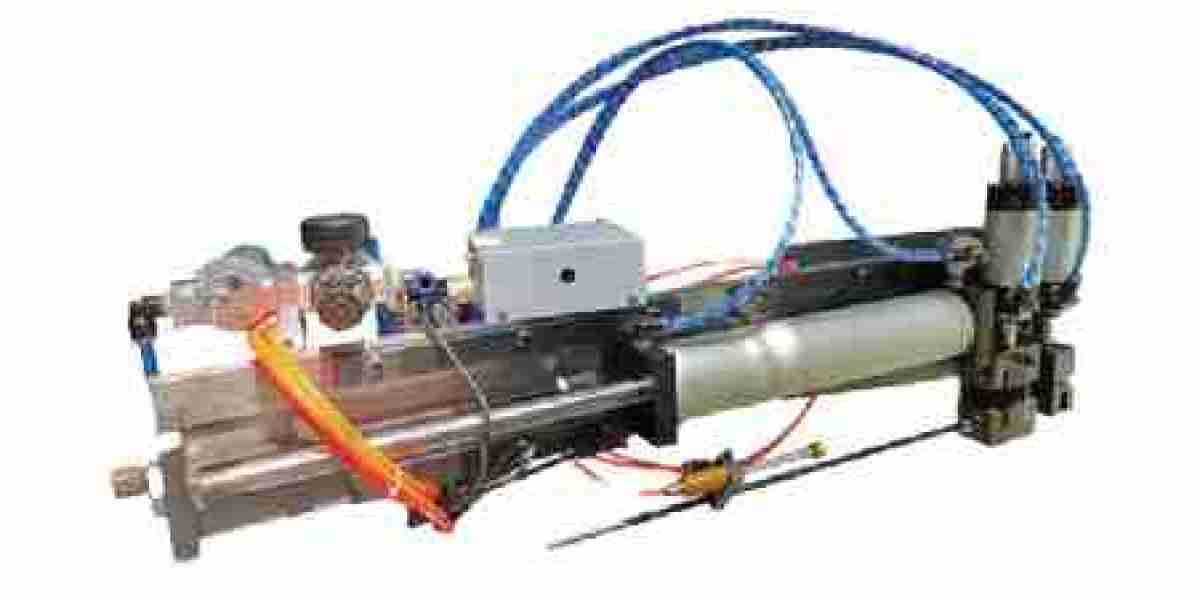

A pneumatic skin stripping machine often needs to be adjusted according to the characteristics of each cable batch. Even when two wires appear similar, differences in insulation thickness, material structure, or cable diameter may affect processing results.
Before regular production begins, operators usually test several samples instead of relying only on previous settings. They observe the stripped section, check the cutting position, and compare the results with production requirements.
These initial samples provide useful information. They help workers understand how the current cable behaves and allow them to make adjustments before larger quantities are processed.
Small setup changes can prevent larger production issues later. A stripping machine depends on several connected factors, including cable positioning, blade movement, and pneumatic pressure.
If one parameter is slightly unsuitable, the problem may not be obvious at the beginning. A few processed wires may appear acceptable, but differences can become more noticeable after continuous operation.
This is why technicians usually spend time preparing a pneumatic skin stripping machine before production. Adjusting the equipment at the beginning can help reduce interruptions caused by inconsistent stripping results during later manufacturing stages.
Different cable materials also influence how operators manage the process. Some insulation layers may separate easily, while others require more careful control.
Experienced workers often develop practical inspection habits through repeated production experience. They observe details such as feeding resistance, stripped edge condition, and conductor appearance to determine whether the current settings remain suitable.
Although the machine provides the mechanical movement needed for processing, operator experience plays an important role in maintaining stable results. Understanding how different materials respond allows workers to make better decisions during daily production.
Regular observation is also connected with equipment maintenance. Many machine issues develop gradually rather than appearing suddenly.
Blade wear, material residue, or unstable air pressure may influence processing performance over time. Operators who pay attention during normal production can often identify these changes before they create larger problems.
For this reason, daily cleaning and basic inspection are important parts of operating a pneumatic skin stripping machine. A short check before production can help maintain consistent performance and reduce unexpected downtime.
Wire stripping quality also affects the following manufacturing steps. After insulation removal, cables may continue through processes such as connection assembly, crimping, or terminal installation.
If the stripped area changes between batches, later operations may require additional adjustments. Maintaining stable stripping conditions helps create a smoother production flow across the entire manufacturing process.
A pneumatic skin stripping machine is therefore not simply equipment used to remove insulation. It is part of a larger production system where preparation, inspection, and operator experience work together to maintain processing consistency.
Over time, technicians build knowledge from different cable types, production batches, and adjustment records. This experience helps factories improve future setup procedures and reduce unnecessary trial operations.
For wire processing manufacturers, reliable results come from more than the machine itself. Proper settings, regular maintenance, and practical production experience all contribute to better performance. By treating setup as an important part of production rather than a simple preparation step, factories can achieve more stable wire processing results throughout daily operations.