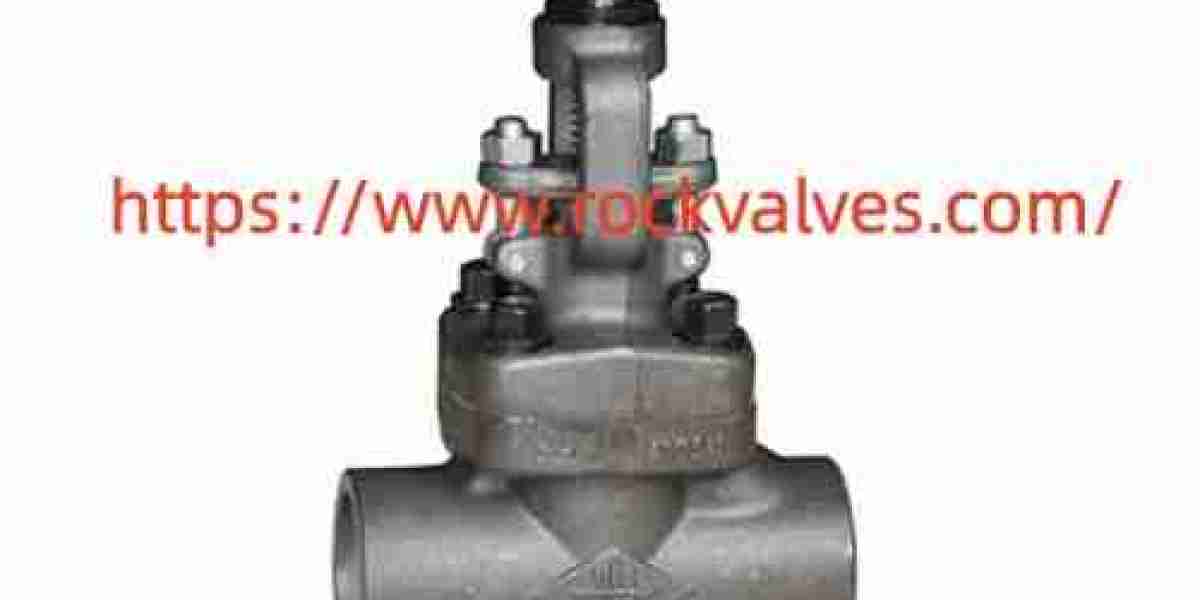

Power Plant Boiler Feed Water Globe Valve requires attention to several routine procedures that help sustain its function in industrial settings. Operators and maintenance personnel often develop schedules based on operating hours and environmental factors. Rockvalves manufactures these units with features that support straightforward servicing when followed according to guidelines.
Regular visual checks allow early detection of external signs such as leaks around connections or unusual noise during operation. Staff can note changes in actuation effort which may indicate internal conditions needing review. Cleaning external surfaces removes accumulated debris that could affect cooling or accessibility.
Lubrication of moving parts at recommended intervals reduces friction and wear on stems and related mechanisms. Using manufacturer approved compounds ensures compatibility with system temperatures and media. Over lubrication should be avoided to prevent contamination of internal areas.
Packing adjustment forms an important part of care routines. Gradual tightening helps control leakage while avoiding excessive force that could damage the stem or hinder movement. Monitoring during pressure cycles provides feedback on the effectiveness of adjustments.
Seat and disk surfaces benefit from periodic evaluation for deposits or minor scoring. In many cases flushing procedures or specialized cleaning solutions restore smooth contact without full disassembly. Teams follow safety protocols during these activities to protect personnel and equipment.
Actuator components if present require separate attention including electrical connections and mechanical linkages. Calibration checks ensure accurate positioning for flow regulation. Backup power or manual override testing confirms readiness during unexpected situations.
Documentation of all activities creates a useful history for trend analysis. Teams record dates, observations, and actions taken to inform future planning. This practice supports compliance with facility standards and insurance requirements.
Training sessions help newer staff understand correct sequences and tool selection for various tasks. Experienced personnel can share observations about behavior specific to certain installations. Cross functional reviews sometimes reveal opportunities for process improvements.
Spare parts inventory management ensures availability of common items like seals and fasteners. Proper storage conditions protect these elements from contamination or damage before installation.
Integration of sensor data where available allows condition based monitoring instead of fixed intervals alone. Vibration levels, temperature readings, and position feedback contribute to informed decisions about intervention timing.
Rockvalves provides technical resources that assist customers in developing suitable programs for their specific setups. Attention to these practices contributes to reliable performance across operational cycles.
Additional guidance on equipment care appears at https://www.rockvalves.com/