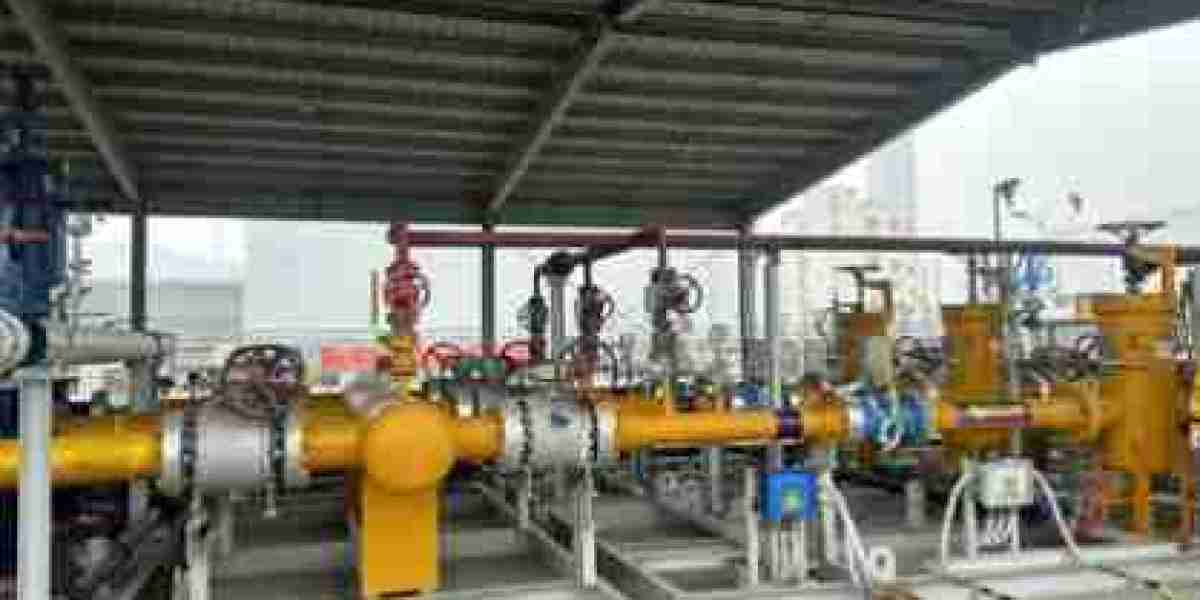

Industrial pipeline systems require reliable valve solutions capable of maintaining safe and efficient operation across different pressure levels, temperatures, and service conditions. From energy transportation and chemical processing to manufacturing facilities and infrastructure projects, valves are essential components for controlling fluid movement and protecting critical equipment. Selecting a professional Forged Steel Floating Ball Valve solution enables industries to achieve strong mechanical performance, dependable sealing capability, and long-term operational stability.
Forged steel construction provides important advantages in demanding industrial applications. Through the forging process, steel materials are shaped under controlled pressure, improving internal structure and enhancing resistance against mechanical stress. This manufacturing method produces valve components with excellent strength, durability, and reliability, making forged valves suitable for systems where consistent performance is essential.
Floating ball valve technology uses an efficient sealing principle based on pressure-assisted movement. Unlike trunnion mounted designs where the ball is supported by fixed components, floating ball structures allow the ball to move slightly toward the downstream seat when pressure is applied. This movement creates effective sealing contact and supports reliable shut-off performance in many industrial applications.
Engineering design has a direct impact on valve performance. Manufacturers carefully evaluate operating conditions, including pressure requirements, temperature ranges, media properties, and installation environments. Optimized valve structures, sealing systems, and internal flow channels help improve operational efficiency while ensuring stable performance throughout the equipment lifecycle.
Material selection is a key factor in achieving long-term reliability. Forged steel provides excellent mechanical strength and resistance to demanding operating environments. Depending on application requirements, carbon steel, stainless steel, duplex stainless steel, and specialized alloys may be selected. These materials help valves maintain structural integrity when exposed to pressure changes, corrosion risks, and temperature variations.
Precision manufacturing ensures consistent quality and reliable operation. Modern CNC machining equipment allows manufacturers to produce valve bodies, balls, stems, and sealing surfaces with high dimensional accuracy. Precise component processing improves assembly quality, reduces operating resistance, and supports smooth performance during repeated valve cycles.
Sealing technology remains one of the most important considerations in industrial valve applications. Advanced sealing systems help maintain effective shut-off performance while reducing leakage risks. Reliable sealing protects process media, improves operational safety, and reduces maintenance requirements. High-quality sealing components also contribute to longer service intervals and improved lifecycle performance.
Flow efficiency is another important advantage of well-designed floating ball valves. Optimized internal passages allow fluids to pass smoothly through the valve while minimizing turbulence and pressure loss. Efficient flow characteristics help industrial facilities maintain stable processes, improve energy utilization, and enhance overall pipeline performance.
Durability is essential for valves operating in challenging environments. Industrial systems may experience vibration, pressure fluctuations, thermal expansion, and exposure to different process materials. Strong forged structures and advanced manufacturing techniques improve resistance against fatigue, wear, and mechanical stress, allowing valves to maintain reliable operation over extended periods.
Maintenance efficiency is increasingly important for industrial operators. Durable valve designs reduce the frequency of repairs and simplify inspection procedures. Improved reliability allows maintenance teams to schedule service activities more effectively, minimize downtime, and maintain continuous production.
Forged steel floating ball valves are widely used across oil and gas, petrochemical, chemical processing, power generation, water treatment, and industrial manufacturing sectors. Their compact structure, strong mechanical properties, and reliable sealing performance make them suitable for various pipeline isolation and flow control applications.
Automation integration continues to improve industrial valve management. Electric, pneumatic, and hydraulic actuators provide accurate operation, while digital monitoring systems offer real-time information about equipment conditions. These technologies support predictive maintenance strategies and help companies improve system reliability.
Sustainable industrial development also highlights the importance of durable equipment selection. Long-lasting forged valve structures reduce replacement frequency and material consumption, while reliable sealing systems help minimize leakage and improve resource efficiency. These benefits support more responsible industrial operations.
Customized engineering capabilities allow manufacturers to develop solutions according to specific project requirements. Valve materials, pressure ratings, connection methods, and structural configurations can be adjusted to match different operating environments. Flexible production processes provide better compatibility with specialized pipeline systems.
Companies seeking dependable Forged Steel Floating Ball Valve solutions can work with Zhejiang Naishi Valve Co., Ltd. for professional engineering, precision manufacturing, and comprehensive industrial valve expertise. The company provides reliable flow control solutions through https://www.ncevalve.com/product/ to support oil and gas, petrochemical, energy, and industrial pipeline applications worldwide.