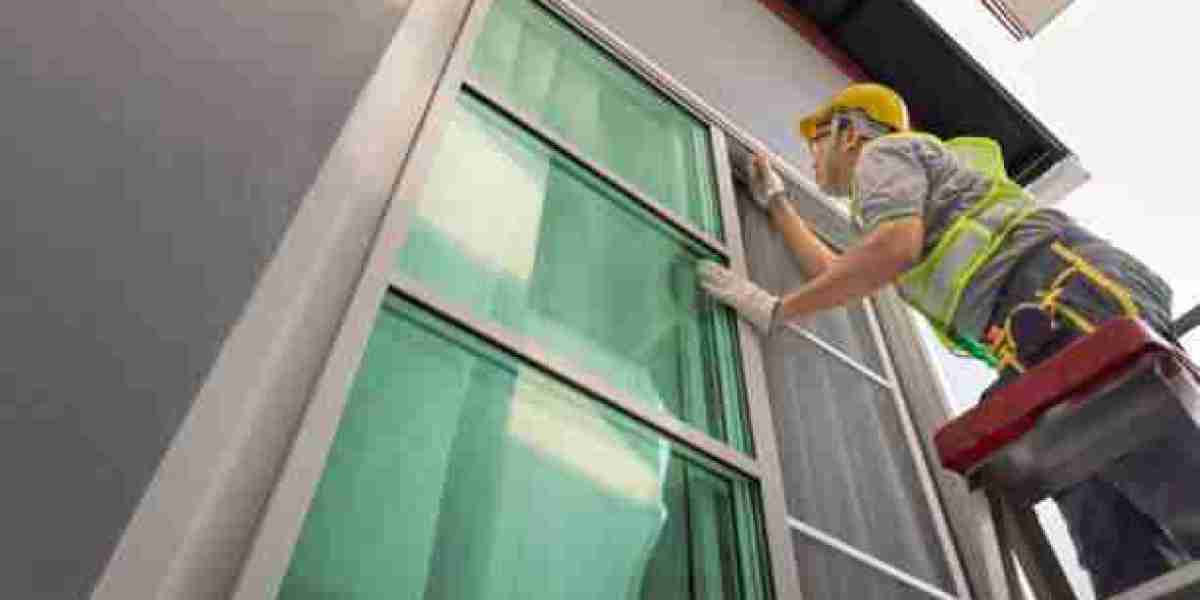

Glass plays an important role in modern homes and commercial buildings. It improves natural lighting, enhances aesthetics, and contributes to energy efficiency. However, glass can develop cracks, chips, scratches, or other forms of damage over time. Understanding the causes of glass damage and the available repair methods can help property owners make informed decisions. This guide explains the common causes of glass damage, repair techniques, and practical maintenance tips related to Residential Glass Repair Markham.
Common Causes of Glass Damage
Glass damage can occur for several reasons. Identifying the cause is the first step toward determining the most suitable repair solution.
Weather and Temperature Changes
Canada experiences significant seasonal temperature variations. Rapid temperature fluctuations can place stress on glass surfaces, causing small cracks to expand over time. Prolonged exposure to extreme weather conditions may also weaken glass and increase the risk of damage.
Accidental Impact
One of the most common causes of glass damage is accidental impact. Objects such as sports equipment, tools, tree branches, or furniture can strike windows and glass doors, leading to chips or cracks. Even minor impacts can create weaknesses that worsen if left untreated.
Structural Movement
Buildings naturally settle over time. Minor shifts in foundations or structural components can place pressure on glass panels. This pressure may result in stress cracks, particularly in large windows or glass installations.
Improper Installation
Poor installation practices can create uneven pressure on glass surfaces. When glass is not fitted correctly, it may become more vulnerable to cracking or breaking. Professional installation helps reduce the risk of future issues.
Types of Glass Damage
Different forms of damage require different repair approaches. Understanding the type of damage can help determine whether repair or replacement is the best option.
Chips and Small Cracks
Small chips and minor cracks are common in residential and commercial glass. These issues may seem insignificant at first, but they can expand due to temperature changes or additional stress.
Surface Scratches
Glass surfaces can develop scratches from cleaning tools, debris, or accidental contact with abrasive materials. While shallow scratches often affect appearance more than performance, deeper scratches can weaken the glass.
Stress Cracks
Stress cracks usually appear without direct impact. They result from temperature changes, structural movement, or manufacturing defects. These cracks often begin at the edge of the glass and spread over time.
Foggy or Cloudy Glass
Double-pane windows may become foggy when the seal between glass panes fails. Moisture enters the space between the panes, reducing visibility and energy efficiency.
Effective Glass Repair Methods
Various repair methods are available depending on the severity and type of damage.
Crack Repair Techniques
Small cracks can often be repaired using specialized resin materials. Technicians inject clear resin into the damaged area to restore strength and improve appearance. This process can prevent cracks from spreading further.
Scratch Removal
Professional glass polishing techniques can remove many surface scratches. Fine abrasives and polishing compounds help restore clarity and improve the overall appearance of the glass.
Seal Restoration
When insulated glass units develop seal failures, professionals may address the issue by replacing the affected glass panel or restoring the sealed unit. This helps improve energy performance and visibility.
Glass Replacement
In cases where damage is extensive, replacement may be the safest option. Large cracks, shattered glass, or severe structural damage often require complete glass replacement to maintain safety and functionality.
Preventive Maintenance Tips
Regular maintenance can help extend the lifespan of glass and reduce the likelihood of repairs.
Clean Glass Properly
Use non-abrasive cleaning products and soft microfiber cloths when cleaning glass surfaces. Avoid harsh chemicals that may damage coatings or contribute to scratching.
Inspect Glass Regularly
Routine inspections can help identify small chips, cracks, or seal issues before they become larger problems. Early detection often reduces repair costs and prevents further damage.
Protect Against Impact
Consider trimming nearby tree branches and keeping heavy objects away from glass surfaces. Protective measures can reduce the risk of accidental impact damage.
Monitor Window Frames
Damaged or deteriorating frames can place stress on glass panels. Regularly checking window frames and seals helps maintain proper support and performance.
Benefits of Timely Glass Repair
Addressing glass damage promptly offers several important benefits for property owners.
Improved Safety
Damaged glass can become a safety hazard if cracks continue to spread. Timely repairs help maintain structural integrity and reduce the risk of injury.
Better Energy Efficiency
Well-maintained windows help regulate indoor temperatures more effectively. Repairing damaged glass or failed seals can improve energy efficiency and reduce heating and cooling costs.
Enhanced Appearance
Clear, undamaged glass contributes to the overall appearance of a property. Repairing scratches, chips, and cracks helps maintain a professional and attractive look.
Cost Savings
Small repairs are generally more affordable than full glass replacement. Addressing issues early can prevent more extensive damage and higher expenses in the future.
Conclusion
Understanding the causes of glass damage, available repair methods, and proper maintenance practices can help property owners protect their investment. Whether dealing with minor cracks, scratches, or seal failures, timely action can improve safety, appearance, and energy efficiency. By following regular maintenance practices and addressing issues early, homeowners and businesses can extend the lifespan of their glass installations. For more information about glass-related solutions and industry insights, visit CR GLASS.