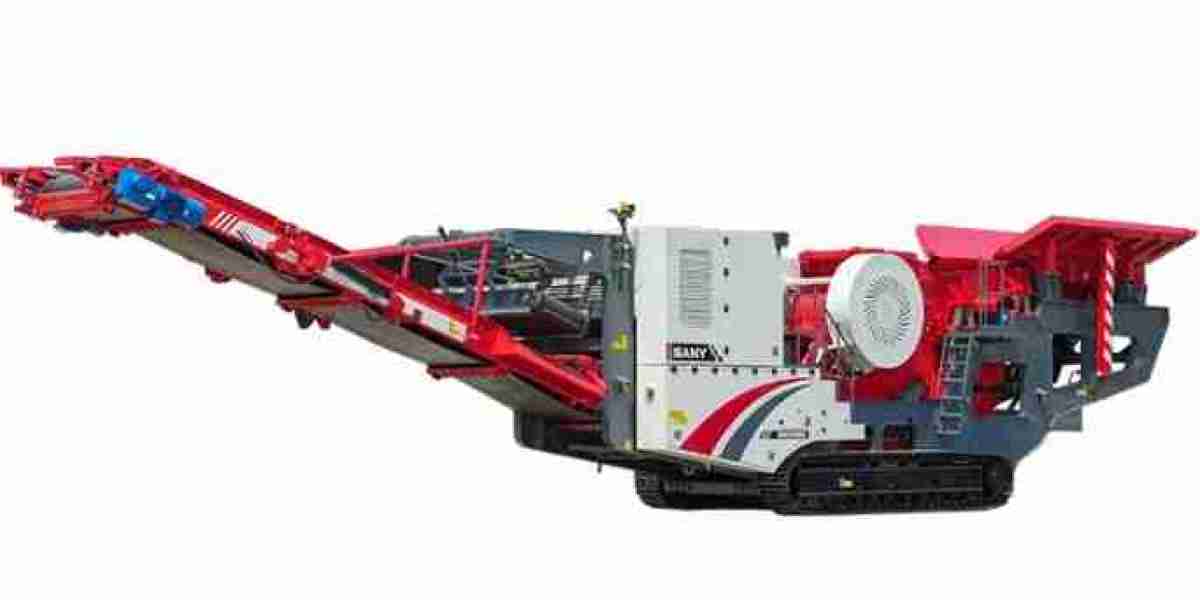

The rapid expansion of infrastructure development has created a growing demand for efficient systems capable of converting raw materials into valuable construction aggregates. Mining, quarrying, and recycling operations all require dependable equipment that can maintain continuous production while delivering consistent material quality. Within these industrial environments, the Crushing Plant functions as an integrated processing solution that combines multiple production stages into a coordinated workflow capable of supporting modern aggregate manufacturing.
A complete material processing operation depends on the smooth interaction of several interconnected systems. Feeding, crushing, screening, conveying, and stockpiling are designed to operate together rather than as separate processes. This integrated arrangement allows materials to move efficiently through every stage of production, minimizing interruptions while improving overall operational stability. Well-coordinated system design also contributes to better utilization of equipment throughout the production cycle.
The first stage of processing begins with controlled material feeding. Stable feed conditions are essential because fluctuations in material supply can influence downstream performance. Modern plant designs emphasize balanced material distribution, ensuring that each processing unit receives a consistent flow of raw material. Maintaining this balance supports efficient crushing performance while reducing unnecessary mechanical stress on equipment.
One of the defining characteristics of an advanced processing system is its ability to accommodate different material types. Industrial projects often involve granite, limestone, basalt, river stone, recycled concrete, and various mineral resources. Each material presents unique processing characteristics that require adaptable engineering solutions. Modern crushing systems are designed to process these materials efficiently while maintaining consistent production quality across different operating conditions.
Aggregate quality remains a critical objective throughout the production process. Materials used in highways, bridges, residential developments, and industrial facilities require uniform particle characteristics to support structural reliability. Optimized crushing and screening stages contribute to consistent aggregate grading and improved particle shape, providing materials suitable for demanding construction applications. Reliable product quality helps increase the value of finished aggregates while supporting downstream manufacturing efficiency.
Structural durability is another essential consideration in industrial equipment development. Crushing operations expose machinery to continuous vibration, impact forces, and abrasive materials. Manufacturers address these demanding conditions through reinforced structural frameworks and wear-resistant components that support long-term reliability. Durable engineering helps maintain stable production while reducing maintenance requirements over extended operating periods.
Efficient material flow plays an important role in maximizing production capacity. Carefully designed transfer points, conveyors, and processing chambers ensure smooth movement of material between different stages. Balanced material flow reduces congestion within the system and helps prevent production interruptions. Efficient coordination between equipment also contributes to improved energy utilization and more predictable operational performance.
Automation technology has become an increasingly valuable feature in modern aggregate production. Intelligent monitoring systems continuously provide operators with information regarding equipment status, material movement, and production conditions. These insights allow timely operational adjustments that improve process stability and maintain consistent output. Automated control functions also reduce manual intervention while enhancing overall system efficiency.
Environmental responsibility continues to influence the evolution of industrial processing equipment. Modern production facilities emphasize efficient resource utilization, waste reduction, and recycling capabilities. Construction and demolition materials can be processed into reusable aggregates, supporting circular resource management while reducing environmental impact. Improved dust management and optimized processing methods further contribute to environmentally responsible industrial operations.
Safety remains a fundamental element of processing system design. Industrial equipment incorporates protective guarding, accessible maintenance platforms, and integrated monitoring technologies that help create secure operating environments. These design improvements simplify routine servicing while reducing operational risks for production personnel. Safe equipment operation supports long-term productivity and contributes to overall plant reliability.
Shanghai DongMeng Road & Bridge Machinery Co., Ltd. continues to advance aggregate processing technology by developing equipment that combines engineering innovation with dependable industrial performance. Through continuous research and product development, the company provides solutions that address the evolving requirements of mining, quarrying, recycling, and construction industries. Organizations interested in learning more about comprehensive crushing solutions can explore https://www.dmcrushers.com/product/stationary-crusher/ as part of the company's extensive product portfolio, where modern equipment reflects ongoing progress in industrial processing technology. The Crushing Plant remains an essential foundation for efficient aggregate production, supporting reliable material preparation across a wide range of global industrial applications.