
Commercial buildings across Australia are expected to meet strict safety standards that protect occupants, property, and business operations. While many people focus on fire alarms, sprinklers, and emergency exits, one critical fire protection measure often goes unnoticed—fire-rated caulking. This specialised sealing solution plays a significant role in preventing the spread of fire, smoke, and hot gases through gaps and penetrations in walls, floors, and ceilings. For commercial properties in Sydney, using the correct fire-rated sealing systems is an essential part of achieving compliance with Australian building requirements and maintaining a safer working environment.
Whether it is a newly constructed office, healthcare facility, retail space, educational institution, industrial warehouse, or mixed-use commercial development, fire-stopping solutions are an important component of passive fire protection. Choosing professional fire-rated caulking services in Sydney helps ensure that building penetrations remain properly sealed, reducing the risk of rapid fire spread while supporting compliance with applicable Australian regulations. Understanding why fire-rated caulking matters enables property owners, builders, and facility managers to make informed decisions that improve long-term safety and building performance.
Understanding Fire Rated Caulking
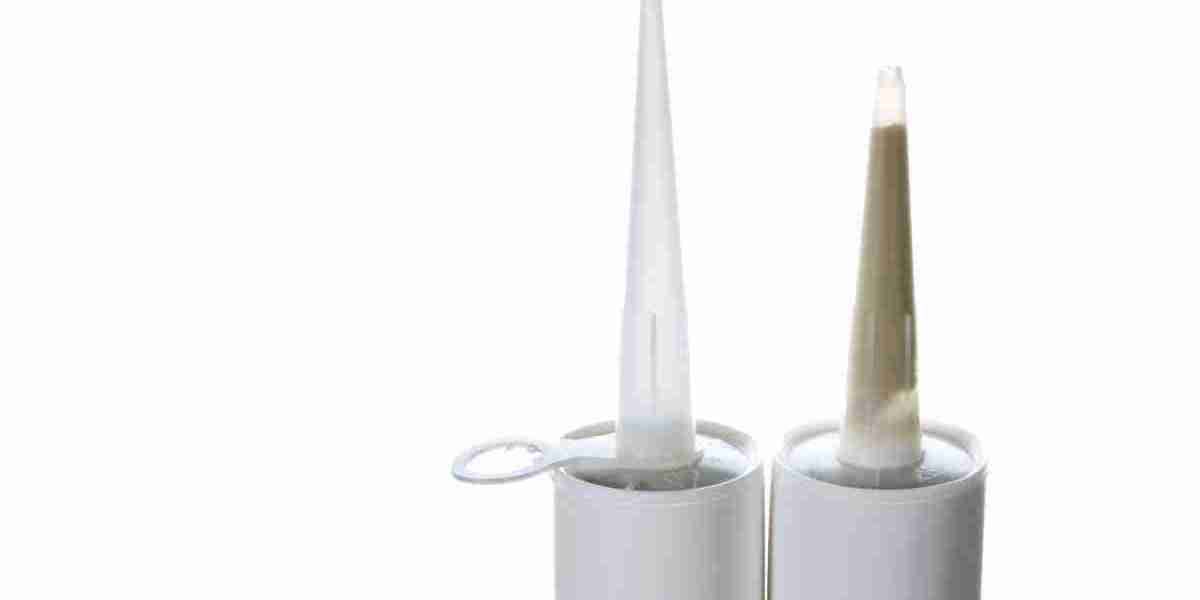
Fire rated caulking is a specially designed sealant used to close gaps, joints, and service penetrations within fire-resistant walls, floors, ceilings, and other building assemblies. Unlike ordinary sealants, fire-rated products are engineered to withstand high temperatures for specified periods while helping maintain the integrity of fire-rated barriers.
Modern commercial buildings contain numerous openings for electrical wiring, plumbing pipes, communication cables, ventilation systems, and mechanical services. Every penetration creates a potential pathway for flames, smoke, and heat to travel from one area to another during a fire. Fire rated caulking seals these vulnerable points, helping preserve the intended fire resistance of the building structure.
The primary purpose is not simply filling gaps. Instead, it contributes to maintaining compartmentation, allowing occupants additional time to evacuate safely while supporting emergency response efforts.
Why Fire Rated Caulking Is Essential for Commercial Buildings
Commercial properties experience high levels of occupancy, making fire safety an important responsibility. Office workers, customers, contractors, visitors, and maintenance personnel all rely on building safety systems functioning as intended.
Fire-rated caulking supports commercial buildings by helping:
Limit the spread of flames.
Reduce smoke migration.
Preserve fire-rated wall and floor systems.
Improve occupant safety.
Protect valuable equipment and infrastructure.
Reduce damage during fire incidents.
Support compliance with Australian building requirements.
Without properly sealed penetrations, even the most carefully designed fire-resistant walls may lose their effectiveness.
How Fire Travels Through Buildings
Fire does not always spread through open doors or windows. In many cases, smoke and flames travel through hidden pathways created by construction gaps or service penetrations.
Examples include:
Cable openings.
Pipe penetrations.
Expansion joints.
Ceiling voids.
Wall junctions.
Floor penetrations.
Mechanical service openings.
Once these openings remain unsealed, fire can rapidly move into neighbouring compartments, increasing the risk to occupants and causing greater structural damage.
Fire rated caulking is specifically designed to close these pathways and maintain the fire resistance originally intended in the building design.
The Role of Passive Fire Protection
Fire safety generally consists of active and passive protection measures.
Active systems include alarms, sprinklers, extinguishers, and emergency warning systems that activate during a fire event.
Passive fire protection works differently. It is permanently integrated into the building and functions continuously without requiring activation.
Fire-rated caulking forms part of passive fire protection because it:
Creates effective fire barriers.
Protects service penetrations.
Maintains compartment walls.
Helps contain fire within its point of origin.
Reduces smoke movement.
This combination supports safer evacuation and allows emergency responders more time to control the incident.
Compliance Requirements in Australia
Commercial buildings throughout Australia are expected to meet strict construction and fire safety requirements.
Fire-rated building elements are carefully designed and tested to achieve specified levels of fire resistance. However, once services such as plumbing, electrical wiring, or communications infrastructure are installed, these fire-rated barriers may be compromised if penetrations are left unsealed.
Proper fire-rated caulking helps restore the integrity of these assemblies by sealing openings in accordance with the intended fire performance of the building system.
Building owners, developers, contractors, and facility managers all share responsibility for maintaining compliant fire protection measures throughout the life of the building.
Where Fire Rated Caulking Is Used
Fire rated caulking is suitable for numerous applications throughout commercial buildings.
Common locations include:
Around Electrical Services
Electrical conduits and cable trays frequently pass through fire-rated walls. Fire-rated sealants help prevent these openings from becoming pathways for fire and smoke.
Plumbing Penetrations
Water pipes, drainage systems, and other plumbing services require penetrations that should be properly sealed to preserve fire resistance.
Mechanical Services
Air conditioning systems, ducts, and ventilation components create multiple penetrations that require fire-stopping solutions.
Wall and Floor Junctions
Construction joints naturally occur where different building elements meet. Fire-rated caulking provides effective sealing while allowing controlled movement where appropriate.
Expansion Joints
Commercial structures expand and contract due to temperature changes. Special fire-rated sealants can accommodate movement while maintaining fire resistance.
Benefits Beyond Fire Safety
Although fire resistance is the primary purpose, fire-rated caulking provides several additional advantages.
Smoke Control
Smoke often causes more harm than flames during a fire. Proper sealing helps reduce smoke migration between building compartments.
Improved Building Performance
Well-sealed penetrations contribute to better overall building integrity by reducing unnecessary air leakage.
Moisture Resistance
Many fire-rated sealants also resist moisture penetration, supporting long-term durability in appropriate applications.
Reduced Maintenance
Professionally installed fire-rated sealants generally require less maintenance compared to poorly applied or unsuitable sealing products.
Enhanced Occupant Confidence
Building occupants appreciate knowing their workplace has been designed with safety and compliance in mind.
Why Professional Installation Matters
Fire rated caulking is not a simple cosmetic sealing task. Every penetration must be assessed carefully to ensure compatibility with the surrounding fire-rated system.
Professional installers understand:
Correct joint preparation.
Suitable sealant selection.
Required installation depth.
Movement requirements.
Compatibility with surrounding materials.
Inspection standards.
Incorrect installation may reduce the effectiveness of the fire barrier, even when high-quality products are used.
Professional workmanship ensures the completed installation performs as intended.
Common Areas That Require Inspection
Commercial buildings evolve over time as renovations, technology upgrades, and maintenance projects introduce new service penetrations.
Areas commonly requiring inspection include:
Plant rooms.
Electrical risers.
Data rooms.
Service shafts.
Office fit-outs.
Retail refurbishments.
Healthcare facilities.
Industrial processing areas.
Educational buildings.
Regular inspections help identify damaged, missing, or deteriorated firestopping systems before they become compliance issues.
Fire Rated Caulking During Renovations
Renovations often involve cutting new openings through existing walls and floors to accommodate updated services.
Without appropriate fire stopping, these new penetrations may compromise the building's passive fire protection system.
Professional fire-rated caulking restores the required level of protection after:
Electrical upgrades.
Plumbing modifications.
Air conditioning installations.
Network cable installations.
Office refurbishments.
Commercial fit-outs.
Planning fire-stopping during renovation projects helps minimise future compliance risks.
The Importance of Documentation
Commercial projects often require detailed documentation demonstrating that fire protection measures have been installed correctly.
Accurate records support:
Building compliance.
Maintenance planning.
Future renovations.
Facility management.
Safety inspections.
Maintaining organised documentation also makes it easier to verify completed work throughout the building's lifecycle.
Choosing the Right Fire Rated Caulking Solution
Every commercial building presents unique requirements.
Factors influencing product selection include:
Type of wall or floor assembly.
Service penetration size.
Movement capability.
Fire resistance requirements.
Environmental conditions.
Indoor or outdoor exposure.
Long-term durability.
Selecting an appropriate solution requires careful assessment rather than applying a one-size-fits-all approach.
Why Sydney Commercial Buildings Require Special Attention
Sydney's commercial sector includes office towers, retail centres, healthcare facilities, schools, industrial sites, hospitality venues, and mixed-use developments. These buildings experience continual maintenance, upgrades, and tenant changes, resulting in frequent new penetrations through fire-rated walls and floors.
Professional fire-rated caulking Sydney solutions help ensure these modifications do not compromise passive fire protection. Regular inspections and quality installation support ongoing compliance while helping maintain safe environments for occupants and businesses.
In addition, many commercial projects involve complex building services with numerous electrical, plumbing, communication, and mechanical systems. Effective fire stopping helps ensure every penetration contributes to the building's overall fire safety strategy rather than becoming a point of weakness.
The Value of Commercial Caulking Services
While fire-rated applications receive significant attention, general sealing work also contributes to building performance.
Professional commercial caulking Sydney services support commercial properties by sealing movement joints, expansion joints, windows, façades, concrete panels, internal finishes, and other construction elements.
Quality commercial caulking offers benefits such as the following:
Improved weather resistance.
Better energy efficiency.
Enhanced moisture control.
Cleaner building finishes.
Longer-lasting construction performance.
Reduced maintenance requirements.
When combined with specialised fire-rated solutions, commercial caulking forms part of a comprehensive building protection strategy.
Maintaining Long-Term Compliance
Fire safety is not a one-time task completed during construction. Buildings continue to change throughout their lifespan as services are upgraded, tenants relocate, and renovations take place.
Routine inspections help identify the following:
Damaged fire-stopping.
Missing sealant.
New penetrations.
Age-related deterioration.
Unauthorised modifications.
Addressing these issues promptly helps preserve compliance while maintaining the effectiveness of passive fire protection systems.
Building owners who adopt a proactive maintenance approach are better positioned to protect occupants, reduce risk, and support long-term operational continuity.
Conclusion
Fire rated caulking is one of the most important yet often overlooked components of passive fire protection in commercial buildings. By sealing gaps, joints, and service penetrations, it helps contain fire and smoke, supports safer evacuation, and preserves the integrity of fire-rated building elements. For commercial properties across Sydney, investing in professionally installed fire-rated caulking Sydney solutions contributes to improved safety, regulatory compliance, and long-term building performance. Alongside quality commercial caulking Sydney services, fire-rated sealing forms an essential part of maintaining durable, efficient, and compliant commercial spaces.
If you are looking for experienced fire-rated and commercial caulking solutions tailored to Australian building requirements, visit The Australian Caulking Company to learn more about professional services that help protect and maintain commercial properties.