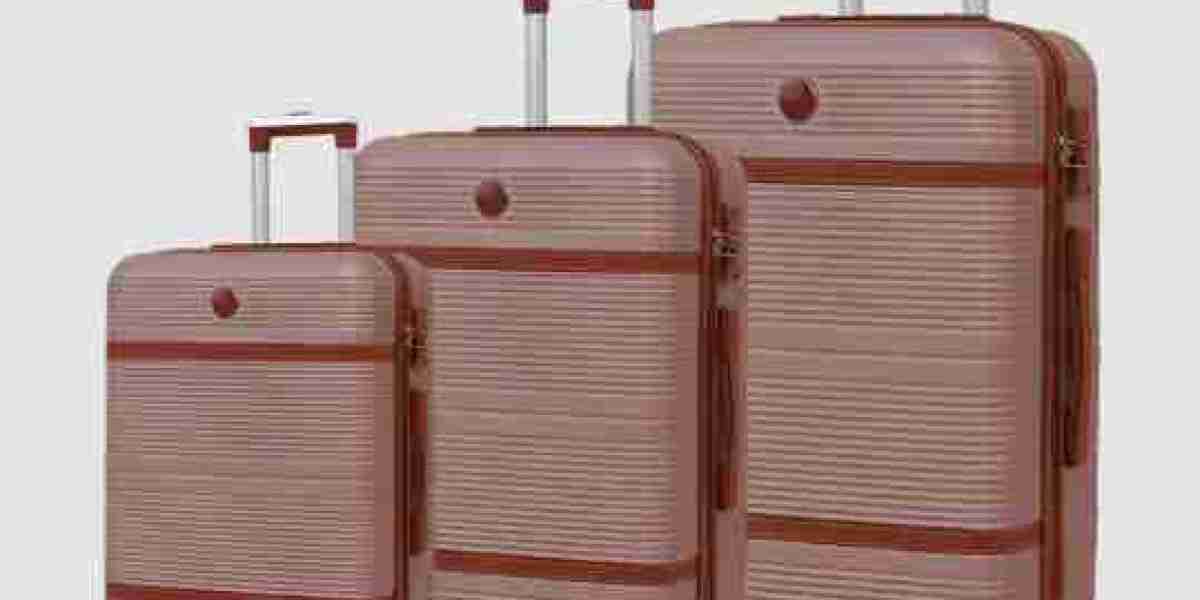

In ABS luggage, surface scratches are often related to how the material interacts with external contact rather than structural damage. During airport handling, the suitcase may brush against metal edges, other luggage, or rough surfaces multiple times in a single journey. These small contacts accumulate over time, and even light friction can leave visible marks on the outer layer, especially on smooth finishes where light reflection makes imperfections easier to notice.
Another factor influencing ABS luggage appearance is surface texture and color design. Glossy shells tend to show scratches more clearly because light reflects in a uniform way, while textured surfaces scatter light and reduce visibility of minor wear. Color also plays a role, as darker shells may highlight scuffs differently compared with lighter ones, which can change how users perceive overall durability even when the material performance is similar.
Travel frequency and usage patterns also strongly affect ABS luggage condition. A suitcase used frequently in airports and transport systems will naturally experience more handling cycles, stacking pressure, and movement across different surfaces. Over time, this repeated exposure creates a pattern of wear that reflects usage history rather than sudden damage. Many experienced travelers view these marks as part of normal travel life rather than a defect.
Environmental conditions during travel, such as temperature changes and humidity, can also influence how the material responds to stress. While ABS remains structurally stable for typical travel use, repeated exposure to varying conditions may affect how the surface visually ages over time, especially when combined with mechanical contact during transport.