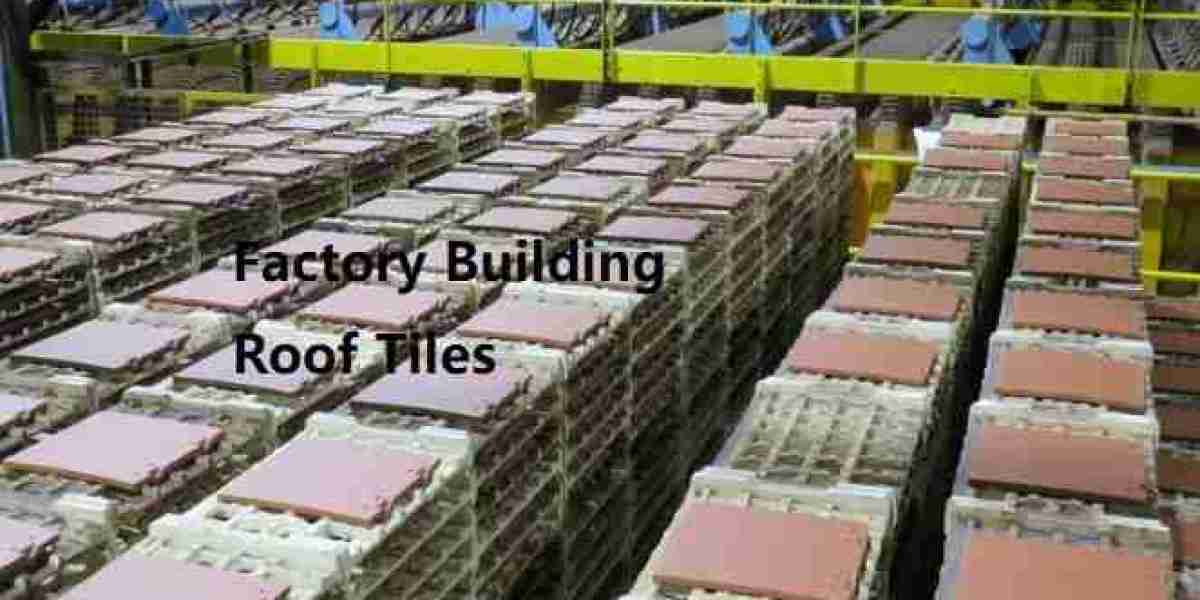

In modern construction and architectural development, the role of a reliable roofing system is essential, and a high-quality China Roof Tile Factory supply chain ensures consistent material performance; at the same time, products from a China Roof Tile Factory contribute to durability, weather resistance, and long-term structural protection in both residential and commercial buildings.
Evolution of Roofing Materials in Modern Construction
Roofing materials have undergone significant transformation over the past decades, shifting from traditional clay-based designs to engineered composite systems that prioritize durability, insulation, and environmental resistance. In contemporary architecture, roof tiles are no longer viewed as simple coverings but as integrated structural components that influence energy efficiency and building longevity.
Modern roof tiles must withstand diverse environmental conditions including heavy rainfall, strong winds, UV exposure, and seasonal temperature fluctuations. As a result, material innovation has become a central focus in roofing development. Manufacturers now emphasize structural consistency, surface protection, and improved installation compatibility to meet global construction standards.
Manufacturing Standards and Quality Control
In advanced production environments, roof tile manufacturing requires strict quality control procedures to ensure uniform performance. Each stage of production, from raw material selection to final firing or molding, is carefully monitored to reduce defects and improve structural reliability.
Consistency in shape and thickness is especially important because it directly affects installation efficiency and waterproof performance. Even minor variations can lead to alignment issues during construction, increasing the risk of leakage or reduced insulation effectiveness. Therefore, precision engineering plays a critical role in modern roofing production.
Surface treatment is another key aspect of quality assurance. Protective coatings are often applied to enhance resistance to moisture penetration, algae growth, and surface erosion. These enhancements help extend the lifespan of roofing systems and reduce long-term maintenance requirements for building owners.
Chuanyabuilding and Roofing Innovation Systems
Chuanyabuilding focuses on integrating advanced material technology with practical construction requirements, ensuring that roofing solutions meet both structural and aesthetic demands. In modern architecture, roof tiles must not only perform well but also complement the overall visual identity of a building.
One of the key strengths of this approach is adaptability across different architectural styles. Whether used in residential housing, commercial complexes, or industrial facilities, roofing systems must align with diverse design requirements while maintaining consistent performance standards.
Another important factor is energy efficiency. Well-designed roof tiles contribute to thermal regulation by reducing heat absorption and improving insulation. This helps lower energy consumption in buildings, particularly in regions with extreme weather conditions.
Installation Efficiency and Structural Performance
Proper installation is essential for achieving optimal roofing performance. The structural framework must be prepared to support uniform tile placement, ensuring that load distribution remains balanced across the entire roof surface. Incorrect installation can lead to gaps, misalignment, or reduced waterproof effectiveness.
Interlocking tile systems are commonly used to enhance stability and simplify installation. These systems allow tiles to connect securely, reducing the risk of displacement caused by wind or external pressure. In addition, improved fastening techniques contribute to stronger resistance against extreme weather events.
Roof pitch design also plays a significant role in performance efficiency. Steeper slopes improve water drainage and reduce the likelihood of standing moisture, while flatter designs require enhanced waterproofing layers to maintain protection. Engineers must carefully evaluate these factors during the planning stage.
Durability in Diverse Environmental Conditions
Roofing systems are constantly exposed to environmental stress, making durability a critical requirement. In regions with heavy rainfall, tiles must resist water penetration and prevent long-term moisture damage. In hot climates, resistance to UV radiation becomes equally important to prevent surface fading and material degradation.
Wind resistance is another key performance factor. High-quality roofing systems must remain stable under strong wind pressure, particularly in coastal or mountainous areas where weather conditions can be unpredictable. Structural reinforcement and secure installation methods help ensure long-term stability.
Maintenance considerations also influence material selection. Roofing systems that require minimal upkeep provide long-term cost efficiency and improved building reliability. This is especially important in large-scale construction projects where maintenance access may be limited.
In modern construction practice, roofing is considered an essential component of overall building performance rather than a separate element. For more technical information and product solutions, visit https://www.chuanyabuilding.com/