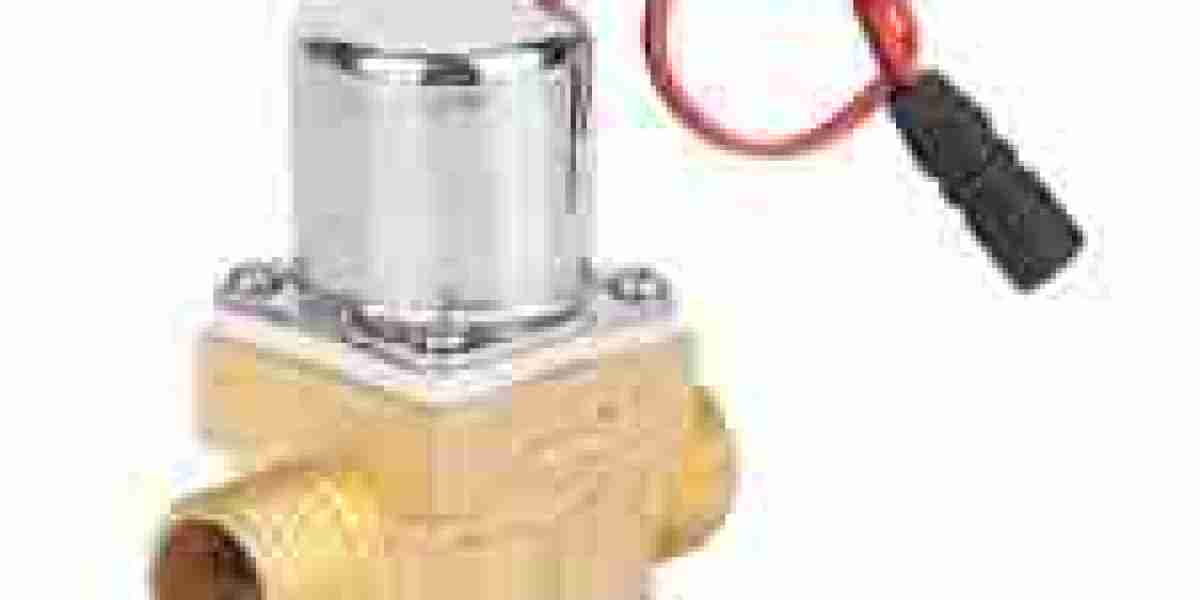

As intelligent infrastructure becomes increasingly common across residential, commercial, and public facilities, automated water management systems continue to evolve. At the center of many of these solutions, the Sensor Faucet Solenoid Valve enables precise water control through the integration of electronic sensing and electromagnetic actuation technologies. By combining advanced materials with innovative engineering, manufacturers are creating highly efficient systems that improve convenience, hygiene, and operational reliability.
The foundation of a dependable fluid control product begins with material selection. Engineers evaluate various metals, polymers, and sealing compounds to ensure long-term durability under continuous exposure to moisture and changing environmental conditions. Corrosion-resistant alloys provide structural strength and stability, while high-performance engineering plastics contribute to weight reduction and enhanced resistance to wear. These carefully selected materials support consistent operation throughout extended service periods.
Electromagnetic actuation technology plays a vital role in automated faucet systems. When a sensor detects user activity, an electronic signal activates the electromagnetic mechanism responsible for controlling water flow. Engineers continuously optimize magnetic circuit structures to improve responsiveness and operational efficiency. Through precise electromagnetic design, systems can achieve rapid activation while maintaining stable and reliable performance over thousands of operating cycles.
Sensor integration represents one of the most significant advancements in modern water control technology. Intelligent detection systems utilize advanced electronic components capable of recognizing user presence with high accuracy. These systems help eliminate unnecessary water usage by delivering flow only when required. The combination of sensor technology and automated actuation contributes to greater resource efficiency while enhancing user convenience.
Fluid dynamics engineering is another critical aspect of product development. Internal flow channels are carefully designed to promote smooth water movement and reduce turbulence. Computational analysis allows engineers to optimize passage geometry, improving flow characteristics and minimizing mechanical stress on internal components. These design improvements contribute to both efficiency and durability.
Sealing technology remains essential for ensuring operational reliability. Advanced sealing materials must maintain flexibility and integrity despite frequent activation cycles and prolonged exposure to moisture. Engineers develop specialized elastomer formulations that resist aging while preserving effective sealing performance. Precision-manufactured sealing surfaces further enhance leak prevention and support long-term product stability.
Manufacturing accuracy directly affects product consistency and functionality. Modern production facilities employ advanced machining systems, automated assembly equipment, and comprehensive quality inspection procedures. Each component is produced according to strict specifications to ensure reliable integration within the complete assembly. Consistent manufacturing standards help maintain product performance across large production volumes.
Surface engineering technologies further enhance product quality. Specialized finishing processes improve corrosion resistance while creating smooth, contamination-resistant surfaces. These characteristics are especially valuable in environments where cleanliness and hygiene are critical considerations. Smooth surfaces also reduce maintenance requirements and support long-term operational efficiency.
The growing emphasis on hygiene has increased demand for touchless water management solutions. Automated faucet systems help reduce physical contact with frequently used fixtures, contributing to improved sanitation in public and commercial environments. This benefit has become particularly important in healthcare facilities, transportation hubs, educational institutions, and other high-traffic locations where cleanliness remains a priority.
Environmental sustainability continues to influence engineering and manufacturing decisions throughout the industry. Companies are investing in energy-efficient production methods and environmentally responsible materials to reduce overall resource consumption. Intelligent control systems also contribute to sustainability efforts by minimizing water waste and supporting more efficient facility management practices.
Reliability testing forms an important part of product development and quality assurance. Engineers conduct extensive evaluations to assess electromagnetic performance, sensor accuracy, material durability, and sealing effectiveness. These tests help identify opportunities for refinement and ensure that products maintain stable performance under a variety of operating conditions. Continuous improvement initiatives allow manufacturers to adapt to evolving market demands and technological advancements.
As automation technology continues to advance, smart water control systems will play an increasingly important role in modern infrastructure. The Sensor Faucet Solenoid Valve demonstrates how material science, electronic engineering, and precision manufacturing can work together to deliver reliable and efficient fluid management solutions. Zhejiang Fuxin Electrical Technology Co., Ltd. continues to support innovation in this field through dedicated research and manufacturing expertise, while additional information about sanitary valve technologies can be found through https://www.fuxinvalve.com/product/sanitary-ware-solenoid-valves/ as part of its commitment to advanced water control solutions.