
In laboratory environments, maintaining reliable protection systems is essential for ensuring safe daily operations. Over time, even well-maintained lab safety equipment can lose effectiveness due to wear, contamination, or outdated performance standards. Understanding when replacement is necessary helps laboratories reduce operational risks and maintain compliance with safety requirements.
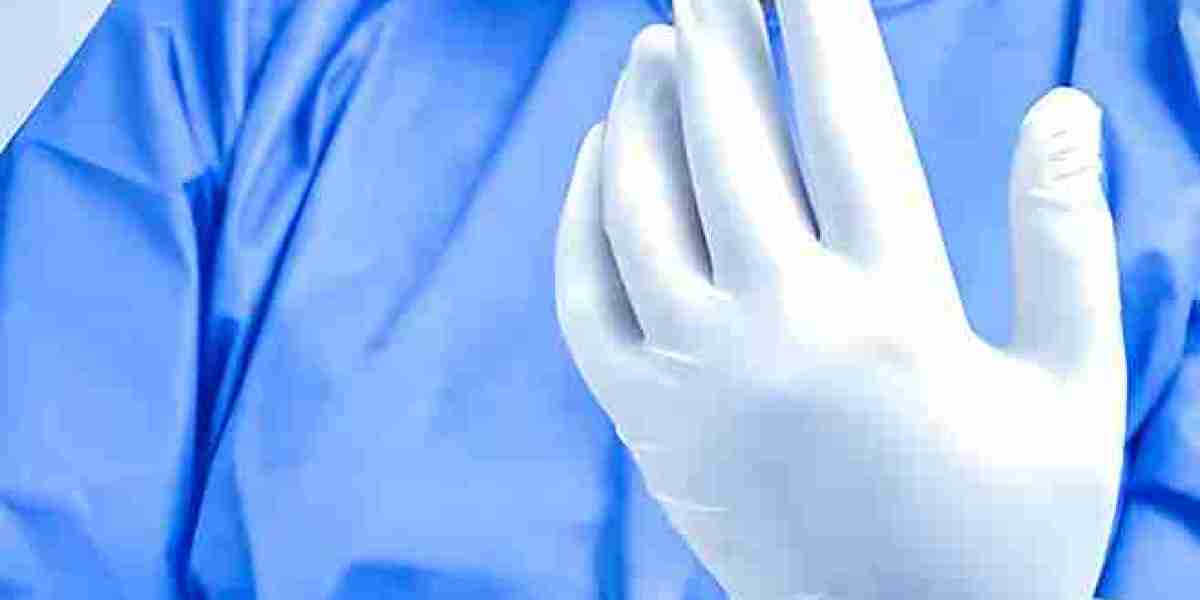
One important factor affecting lab safety equipment lifespan is physical wear caused by continuous use. Protective gloves, goggles, face shields, emergency showers, and ventilation systems are exposed to chemicals, heat, moisture, and repeated handling during routine laboratory work. As materials degrade, cracks, discoloration, reduced flexibility, or mechanical failure may appear, reducing the level of protection the equipment can provide.
Another reason laboratories replace lab safety equipment is changing safety standards and technology development. Older equipment may still function, but it might no longer meet updated regulations or modern laboratory requirements. In many facilities, newer systems provide improved filtration efficiency, better ergonomic design, or enhanced monitoring capabilities compared with previous generations. This makes periodic equipment evaluation an important part of laboratory management.
Inspection and maintenance records also play a key role in determining when lab safety equipment should be replaced. Regular testing helps identify issues that may not be immediately visible during normal use. For example, damaged seals in protective cabinets, reduced airflow in ventilation systems, or weakened emergency response devices can compromise laboratory safety even if the equipment appears functional externally.
In addition to safety performance, replacement decisions are often influenced by operational efficiency. Modern lab safety equipment may require less maintenance, offer improved durability, or support easier cleaning and monitoring procedures. These improvements help laboratories maintain stable working conditions while reducing long-term operational interruptions.
As laboratory environments continue to evolve, reliable safety systems remain essential for protecting personnel and maintaining compliance. Replacing outdated or worn equipment at the appropriate time helps ensure that laboratories continue operating safely, efficiently, and in line with current safety expectations.