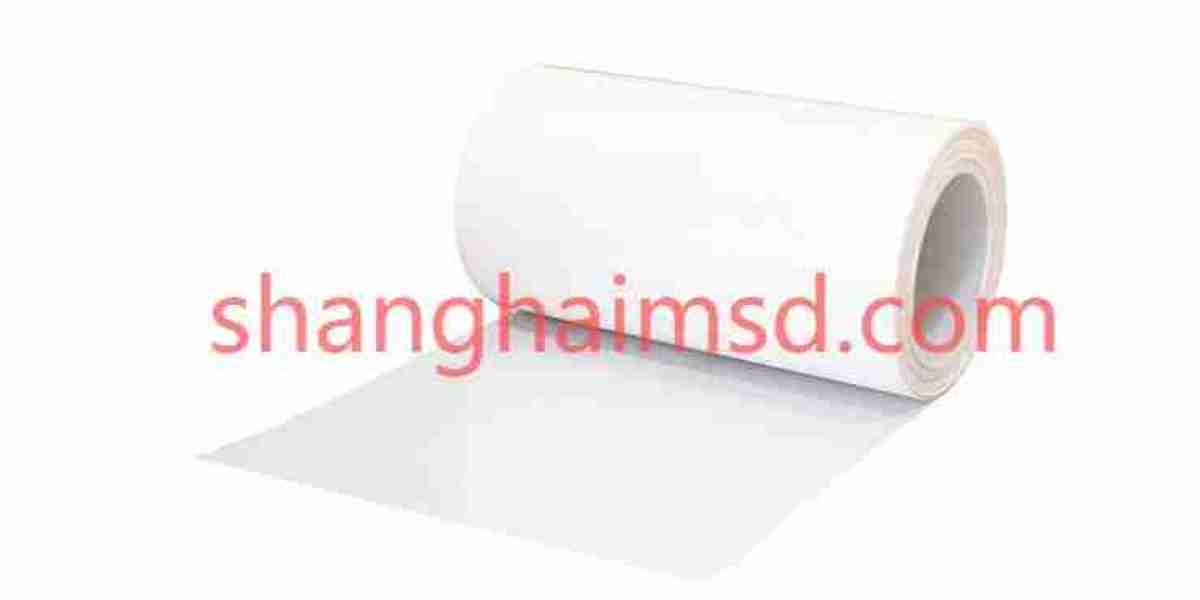

As illuminated graphics and visual presentation continue evolving, Printable Translucent Film has become increasingly connected with modern advertising, decorative displays, exhibition design, and branded interior projects. ShanghaiMsd focuses on material applications that support changing creative demands across commercial and visual communication industries. In today's design environment, businesses and designers are paying greater attention to materials that combine visual softness, printing adaptability, and compatibility with light-focused installations.
Modern display systems often rely on materials capable of interacting naturally with lighting conditions. Backlit graphics, illuminated signage, decorative panels, and retail showcases all require surfaces that support balanced image presentation while contributing to the atmosphere of a space. Materials with translucent characteristics are increasingly chosen for projects where visual layering and light diffusion influence the final presentation effect.
Another reason these materials continue attracting interest is their adaptability during printing and fabrication processes. Designers frequently consider how materials respond to color application, cutting methods, mounting procedures, and display integration. Smooth surfaces and consistent visual texture may support clearer graphic presentation across different installation environments.
Retail and commercial interiors are also shaping how illuminated materials are used. Window displays, suspended visual elements, exhibition backgrounds, and decorative branding structures often combine lighting with printed graphics to create engaging visual experiences. As customer interaction becomes more closely tied to spatial design, visual materials are playing a larger role in shaping commercial environments.
The growth of temporary installations and creative event spaces has further expanded the use of translucent display materials. Exhibition organizers, interior designers, and promotional planners increasingly seek materials that support portability, customization, and changing thematic concepts. This flexibility allows projects to adapt more easily to evolving visual trends and presentation needs.
Production workflow efficiency also remains an important factor in material selection. Materials that integrate smoothly into printing, finishing, and installation procedures may help support organized project coordination. This practical compatibility can be especially useful for customized display systems involving layered graphics or illuminated structures.
Beyond commercial advertising, illuminated printable materials are now appearing in artistic environments, cultural exhibitions, architectural decoration, and creative installations. Their growing role reflects broader industry interest in combining light, texture, and visual storytelling into unified presentation concepts.
Every illuminated surface has the potential to reshape how people experience a space. If you want to see how modern printing materials connect with creative lighting and visual design ideas, visit www.shanghaimsd.com and step into a world where graphics and light move together in new ways.