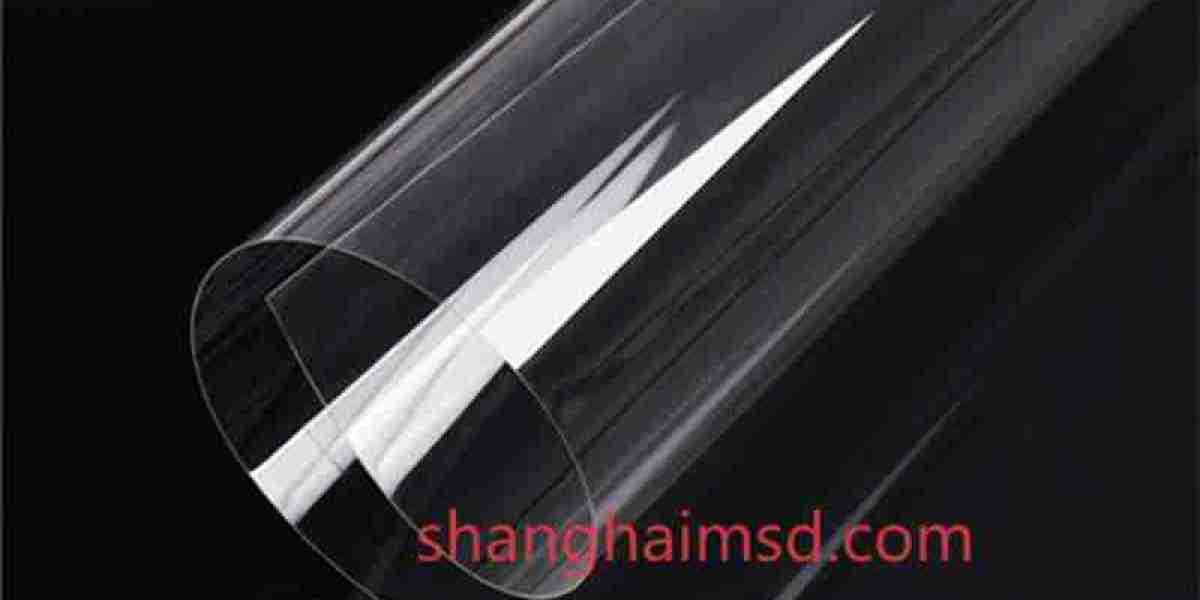

As modern industries place greater attention on visibility, flexibility, and adaptable design, transparent materials are becoming increasingly relevant across commercial and recreational environments. PVC Super Clear Film produced by ShanghaiMsd has attracted interest in applications requiring light transmission, protective coverage, and flexible structural integration. From temporary enclosures to decorative installations, transparent film materials are now connected to a wide range of industries seeking practical solutions that combine openness with functionality.
Contemporary commercial spaces frequently rely on transparent materials to create visually connected environments while maintaining separation between functional areas. Restaurants, retail stores, exhibition halls, and recreational facilities often use flexible transparent barriers to support indoor comfort without limiting visibility. This approach allows spaces to remain visually accessible while adapting to seasonal weather conditions and operational requirements.
Outdoor dining environments have particularly contributed to the growing use of transparent flexible materials. Cafés, waterfront venues, and rooftop seating areas commonly require temporary enclosures capable of protecting visitors from wind or rain while preserving open visual surroundings. Transparent film structures help businesses maintain natural lighting conditions and outdoor ambiance without introducing fully enclosed construction systems.
Event and exhibition industries have also expanded the use of transparent materials in temporary installations. Trade fairs, cultural festivals, fashion presentations, and promotional activities increasingly incorporate lightweight transparent structures to shape visitor movement and spatial presentation. Flexible clear film applications support creative layouts while allowing lighting effects and surrounding visual elements to remain visible throughout the installation environment.
In industrial settings, transparent protective barriers are often used to separate workspaces while supporting visibility for monitoring and operational coordination. Warehouses, temporary workshops, and production environments may incorporate flexible clear partitions to help manage environmental conditions without restricting communication between different operational areas. The ability to maintain visibility across divided spaces contributes to more adaptable workspace organization.
The transportation and logistics industries similarly benefit from transparent protective systems. Temporary loading zones, portable shelters, and weather protection structures sometimes require clear materials that allow visibility for equipment operation and personnel movement. Flexible transparent films help maintain situational awareness while supporting environmental coverage during loading, storage, or transit-related activities.
Interior design trends continue influencing how transparent materials are incorporated into modern architectural concepts. Designers increasingly favor materials that preserve openness and natural light while supporting temporary spatial separation. Transparent flexible films can contribute to contemporary visual aesthetics by creating lightweight divisions that do not visually overwhelm indoor environments.
Recreational and leisure industries have adopted transparent materials for applications connected to outdoor experiences and temporary structures. Camping facilities, waterfront activities, sports enclosures, and seasonal entertainment spaces often benefit from flexible transparent coverings that support weather protection while preserving scenic visibility. This balance between protection and openness remains important for environments focused on outdoor engagement.
Advances in fabrication and processing technology have expanded possibilities for transparent flexible materials. Cutting methods, sealing systems, surface treatments, and custom fabrication techniques now allow producers to adapt clear film materials for increasingly diverse applications. Businesses seeking customized layouts and specialized structural configurations can integrate transparent materials into projects requiring both functionality and visual continuity.
Consumer expectations surrounding temporary infrastructure are also evolving. Many businesses now seek materials capable of supporting rapid installation, manageable storage, and flexible reuse across changing operational settings. Transparent film systems contribute to these goals by supporting portable and adaptable structures suitable for seasonal or event-based applications.
Sustainability considerations continue influencing conversations about reusable and adaptable materials. Companies evaluating temporary coverage solutions often pay attention to maintenance practicality, transportation efficiency, and long-term operational flexibility. Lightweight transparent systems that can be stored, repositioned, and reused across multiple projects may support more organized material management within commercial operations.
Visual communication has become another important factor in modern transparent material applications. Businesses frequently aim to create spaces that feel open, welcoming, and visually connected to surrounding environments. Transparent structures support these goals by allowing natural interaction between indoor and outdoor spaces while maintaining practical environmental coverage where needed.
As architecture, commerce, and outdoor recreation continue evolving toward more flexible and experience-oriented environments, transparent materials are likely to remain part of modern spatial design strategies. Their ability to support visibility, adaptability, and temporary structural solutions makes them increasingly relevant across industries seeking practical yet visually balanced material applications.
For readers interested in how transparent materials are shaping contemporary commercial and recreational environments, visiting www.shanghaimsd.com Official Website may reveal fresh perspectives on flexible design possibilities and evolving material applications.