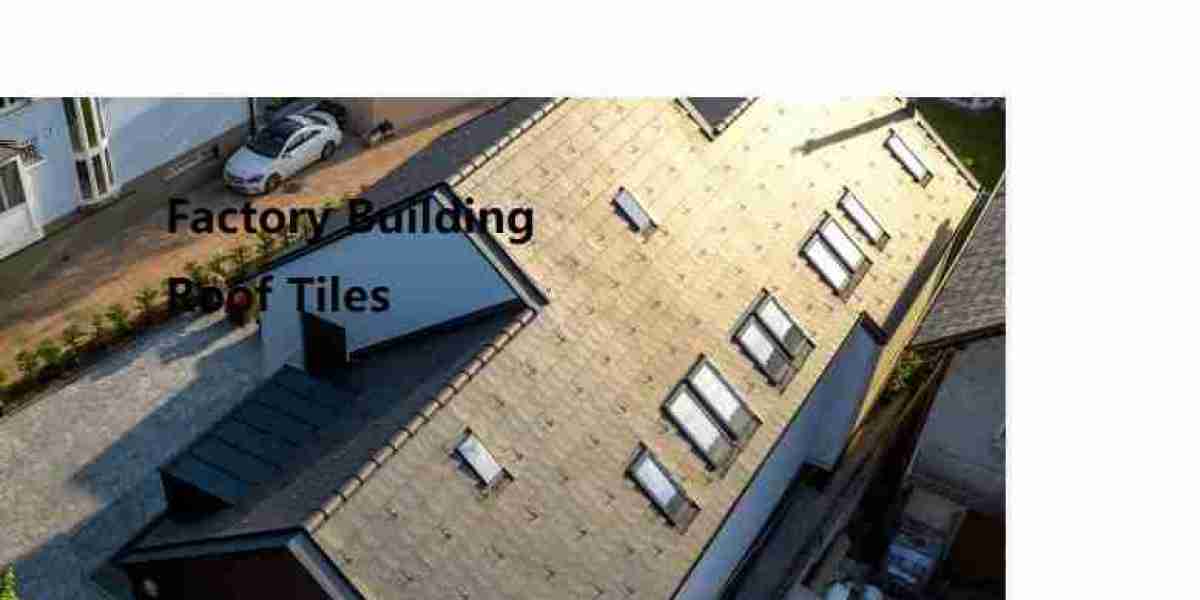

In today’s fast-paced construction industry, Easy-to-install Roofing Materials are becoming increasingly important for reducing labor time, improving project efficiency, and ensuring reliable building protection, while chuanyabuilding focuses on delivering advanced roofing solutions designed to meet the evolving needs of residential, commercial, and industrial construction projects. As global demand for faster, safer, and more sustainable building methods continues to rise, roofing systems that combine simplicity of installation with long-term durability are now essential components of modern architectural development.
The Shift Toward Faster Construction Methods
Modern construction projects are under constant pressure to reduce timelines while maintaining high structural quality. This has led to a strong demand for roofing systems that can be installed quickly and efficiently.
Traditional roofing installation methods often require extensive labor, precise manual alignment, and multiple construction stages. These factors can slow down project progress and increase overall costs.
In contrast, modern roofing systems are designed with simplified structures that allow faster assembly and reduced installation complexity. This helps contractors complete projects more efficiently.
Residential developments benefit greatly from faster roofing installation because homeowners want reduced construction disruption and quicker project completion.
Commercial and industrial projects also depend on efficient installation systems due to large-scale roofing requirements and strict project deadlines.
As construction technology advances, ease of installation has become a key factor in material selection and engineering design.
Material Technology and Structural Optimization
Roofing materials must combine durability, lightweight design, and structural strength to ensure long-term performance in various environments.
Modern roofing systems often use composite materials, treated metals, and engineered ceramics that provide both strength and flexibility.
Advanced manufacturing techniques improve material consistency, ensuring that roofing components fit together accurately during installation.
Surface treatment technologies enhance resistance to corrosion, UV exposure, and moisture damage, extending the lifespan of roofing systems.
Structural optimization plays an important role in reducing installation complexity by designing interlocking systems and modular components.
These improvements allow roofing systems to be installed with fewer tools and less labor while maintaining high performance standards.
Chuanyabuilding Innovation in Roofing System Design
Modern roofing innovation focuses on improving both installation efficiency and long-term structural reliability.
Precision engineering ensures that roofing components are manufactured with accurate dimensions for seamless assembly.
Automated production systems help maintain consistent quality while improving manufacturing speed and reducing material waste.
Lightweight roofing structures reduce transportation costs and simplify on-site handling, making installation faster and safer.
Weather-resistant coatings improve durability and protect roofing systems from harsh environmental conditions such as rain, heat, and wind exposure.
Continuous research and development efforts contribute to more efficient roofing systems that support modern construction demands.
Applications in Residential and Industrial Construction
Roofing systems are widely used across residential, commercial, and industrial construction projects where efficiency and durability are essential.
In residential housing, easy installation reduces construction time and allows homeowners to move in sooner while ensuring long-term protection.
Commercial buildings such as offices, retail centers, and hotels require roofing systems that can be installed quickly to meet strict development schedules.
Industrial facilities need durable roofing materials capable of handling large-scale structures and continuous environmental stress.
Public infrastructure projects such as schools, hospitals, and transportation facilities also benefit from efficient roofing installation systems.
Across all applications, simplified installation processes help reduce labor costs and improve overall project efficiency.
Selecting Efficient Roofing Systems for Modern Projects
Choosing the right roofing materials requires evaluating installation efficiency, durability, weather resistance, and long-term maintenance needs.
Ease of installation is especially important in large-scale construction projects where time savings directly impact project costs.
Durability ensures that roofing systems can withstand environmental stress such as rain, wind, and temperature fluctuations over time.
Energy efficiency is another important factor, as roofing materials contribute to thermal insulation and overall building performance.
Maintenance requirements should also be considered, as low-maintenance systems reduce long-term operational expenses and improve usability.
As global construction continues evolving, efficient roofing systems remain essential for achieving faster project completion, improved performance, and sustainable building development. More information about advanced roofing solutions can be found at https://www.chuanyabuilding.com/