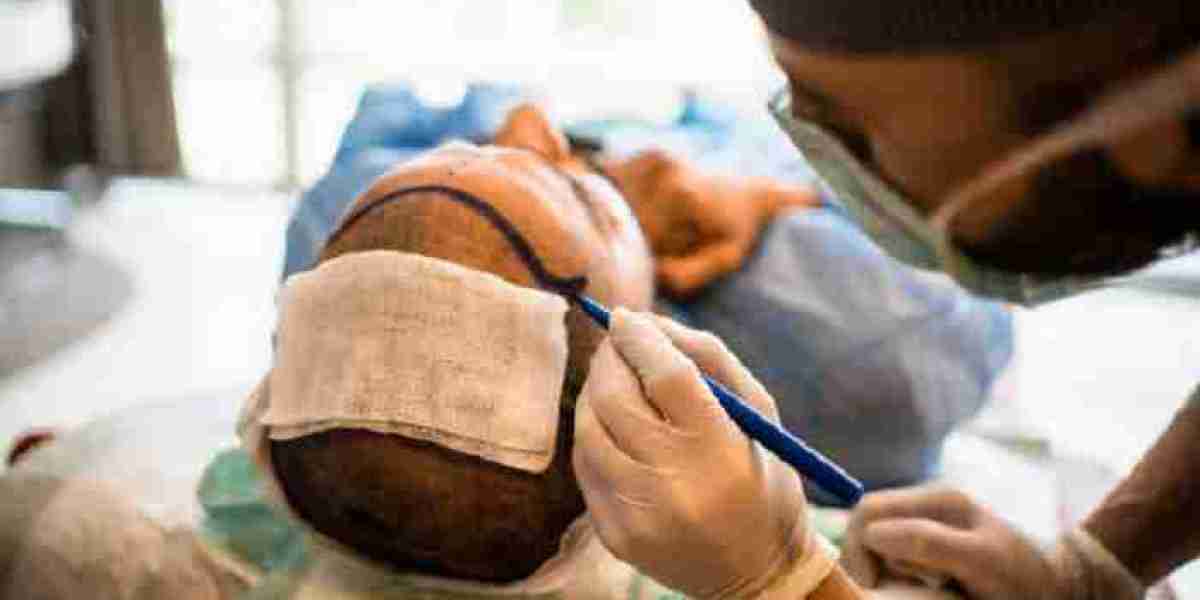

Patients in Saudi Arabia increasingly seek guidance on how to maintain their newly transplanted hair and ensure smooth healing. Understanding the recovery journey helps in reducing complications and improving overall hair growth outcomes, especially during the critical first few months after the procedure.
In recent years, many individuals have also been researching Hair Transplant Cost in Saudi Arabia 2026 along with recovery expectations to make informed decisions. At the same time, queries such as Best hair Transplant in Riyadh price reflect growing interest in both quality and long-term care, as patients now prioritize results and post-treatment success over everything else.
Understanding the Healing Phase After Hair Transplant
The healing phase begins immediately after the procedure and continues for several weeks. During this time, the scalp undergoes natural recovery, where tiny grafts settle into their new position. Mild redness, swelling, or scabbing is normal and gradually disappears as the skin heals. It is essential to avoid unnecessary touching or scratching, as this can disturb the newly implanted follicles and affect final results.
Patients often notice temporary shedding within the first few weeks, which is a natural part of the hair growth cycle. This phase should not cause concern, as new and stronger hair strands begin to grow after the resting period.
Immediate Aftercare Guidelines for Better Recovery
Proper scalp hygiene is one of the most important aspects of early recovery. Gentle cleansing with recommended solutions helps keep the area clean without causing irritation. Sleeping with the head slightly elevated can reduce swelling and improve comfort during the initial days.
Exposure to direct sunlight should be avoided as the scalp remains sensitive. Wearing protective coverings when outdoors helps maintain a stable healing environment. It is also advisable to avoid strenuous physical activities, as excessive sweating can interfere with the healing process.
Lifestyle Adjustments for Faster Hair Growth
A balanced lifestyle significantly influences recovery speed and hair growth quality. Nutrient-rich foods support stronger follicles and promote healthier regrowth. Staying hydrated also helps maintain scalp health and improves circulation to the transplanted areas.
Patients are encouraged to reduce stress levels, as stress can negatively affect hair recovery. Gentle routines, adequate sleep, and a calm environment contribute positively to long-term results. Avoiding smoking and alcohol can further enhance the healing process and improve overall outcomes.
Common Concerns During Recovery
It is common for patients to experience temporary itching or tightness in the scalp. These sensations usually indicate healing and gradually reduce over time. Another concern is uneven growth during early stages, which is part of the natural progression of hair development.
Some individuals worry about delayed results, but hair restoration is a gradual process. Visible improvements typically appear over several months as follicles strengthen and enter the active growth phase.
Long-Term Maintenance for Lasting Results
Maintaining transplanted hair requires consistent care even after full recovery. A healthy scalp routine, including mild shampoos and proper nourishment, helps preserve density and texture. Regular check-ins with hair specialists can also ensure that the scalp remains in optimal condition.
Protecting hair from excessive heat styling or harsh chemical treatments is important for long-term success. A stable and healthy lifestyle continues to play a major role in sustaining natural-looking results over the years.
FAQs
What is the most important factor after a hair transplant for good results?
The most important factor is following proper aftercare instructions, including gentle scalp handling and maintaining hygiene during the healing phase.
How long does it take to see visible hair growth after the procedure?
Visible growth typically begins after a few months, as the transplanted follicles enter the active growth cycle following an initial resting period.
Is hair shedding normal after a transplant?
Yes, temporary shedding is completely normal and is part of the natural hair growth cycle before new and stronger strands begin to grow.
Can I resume exercise after the procedure?
Light activities may be resumed after initial healing, but strenuous exercise should be avoided for a few weeks to protect the grafts.
What should be avoided during recovery?
Avoid direct sun exposure, scratching the scalp, heavy physical activity, and harsh hair products during the early recovery stage.
Consultation
For individuals seeking expert guidance and personalized care throughout their hair restoration journey, Enfield Royal Clinic provides professional consultation and support focused on achieving natural and lasting results. With a strong emphasis on patient care and recovery education, the clinic ensures that every step of the post-transplant journey is smooth, safe, and effective for optimal hair growth outcomes.