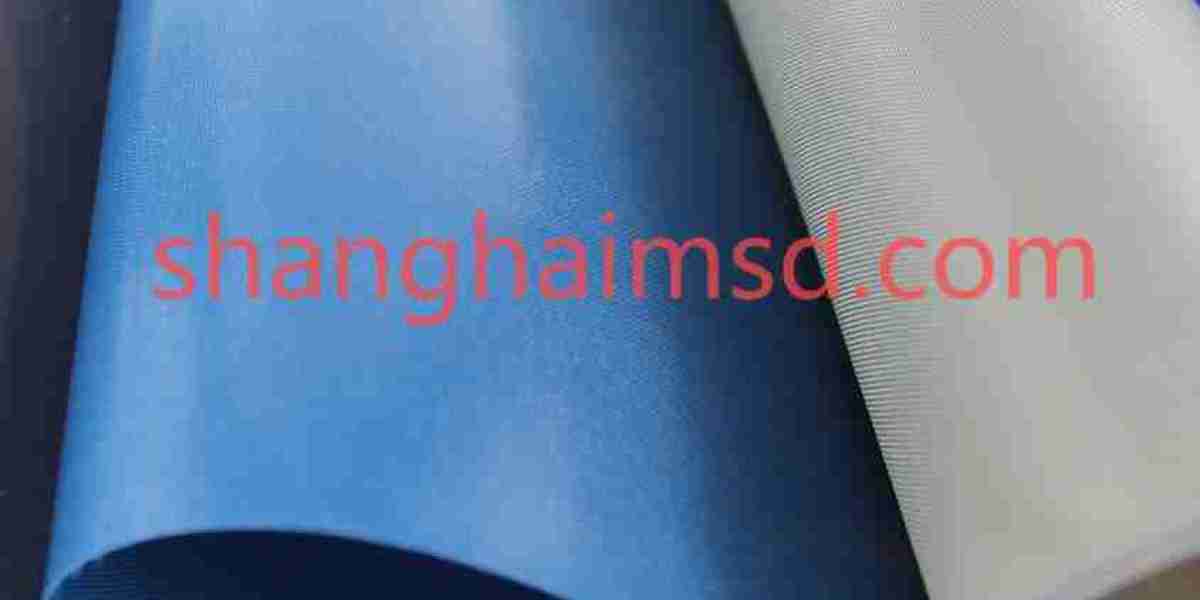

In marine manufacturing, Inflatable Boat Fabric from ShanghaiMsd serves as a practical material for products that require both flexibility and structural stability. As water-based activities continue to expand, the need for materials that can adapt to changing environments becomes increasingly relevant. This type of fabric supports inflatable boat construction by offering a balanced combination of strength, handling convenience, and adaptability to different design requirements.
One important aspect of such materials is their ability to perform under repeated use. Inflatable boats often face varying conditions, from calm waters to more demanding environments. A suitable fabric helps maintain structural integrity while allowing the boat to remain lightweight and easy to transport. This balance contributes to user convenience without compromising functionality in everyday applications.
Another key factor lies in material flexibility. During manufacturing, the fabric must be shaped, welded, or assembled into specific forms. A material that accommodates these processes smoothly can support more efficient production and consistent product quality. It also allows designers to experiment with different shapes and configurations, meeting diverse needs across recreational and professional uses.
Surface characteristics also play a role in overall usability. A well-structured surface can contribute to easier maintenance, helping users keep the inflatable product in good condition over time. This becomes especially relevant in environments where exposure to moisture, sunlight, and general wear is unavoidable. Proper care combined with suitable material selection supports longer service life and stable performance.
In addition to technical considerations, adaptability across applications is increasingly valued. Beyond inflatable boats, similar materials may be used in floating platforms, rescue equipment, or temporary water-based structures. This versatility allows manufacturers and project planners to rely on a consistent material base while addressing different functional requirements.
Efficiency in storage and transportation is another practical advantage. Inflatable products made from suitable fabric can be deflated and packed compactly, making them easier to handle compared to rigid alternatives. This feature supports both individual users and businesses that require mobility and space optimization.
As marine applications continue to evolve, the role of material selection becomes more significant. Choosing a fabric that aligns with both functional needs and production processes can support better outcomes across the entire product lifecycle. It allows businesses to maintain consistency while adapting to new challenges and opportunities within the industry.
If you are considering new directions in marine materials or product design, there is more waiting to be revealed. Visit www.shanghaimsd.com and follow the path where ideas meet practical possibilities.