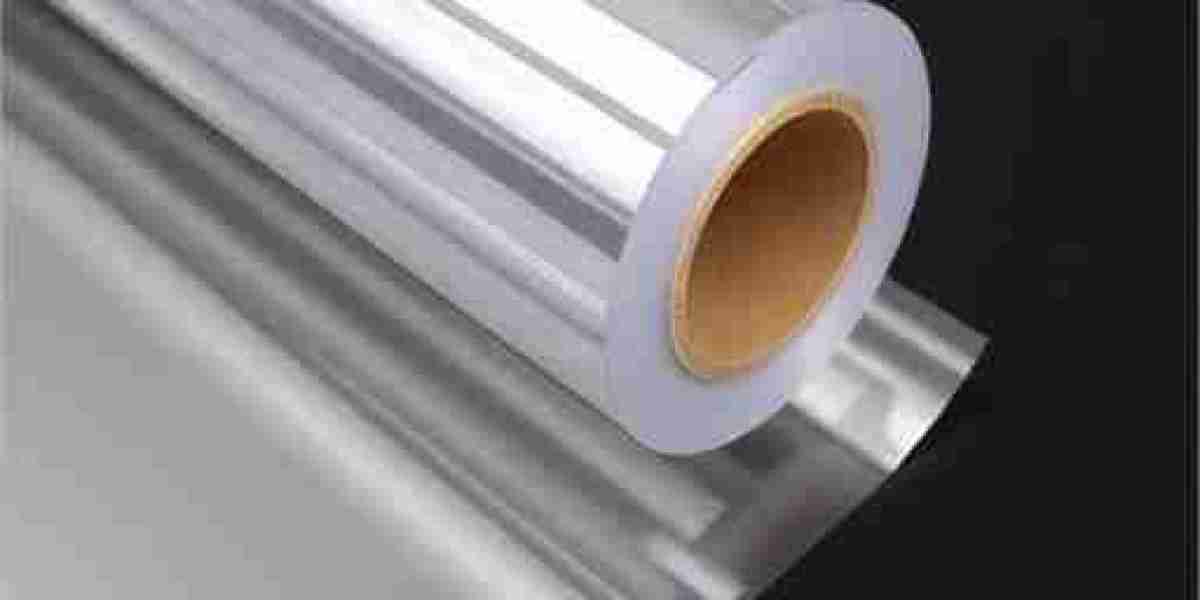

In the modern packaging environment, Crosslinked Shrink Film continues to attract attention for its structural consistency and adaptability, with jtpackage contributing to the ongoing development of such materials. Packaging today is expected to do more than enclose a product; it must align with operational demands, visual presentation, and evolving consumer expectations.
One notable aspect of shrink film materials is their ability to maintain form under varying conditions. Crosslinking technology introduces a level of structural reinforcement that allows the film to respond more evenly during the shrinking process. This results in a tighter and more controlled wrap, which can be particularly useful when packaging items with defined edges or irregular shapes. The outcome is a balanced combination of containment and visual neatness.
Durability is another key consideration. Packaging often faces multiple stages of handling, from production lines to transportation and storage. Materials that can withstand tension without tearing easily contribute to a more stable packaging process. This resilience supports consistent performance, reducing the likelihood of interruptions caused by material failure during application.
Clarity and surface appearance also play an important role. Transparent packaging allows products to remain visible while being securely enclosed. A smooth finish enhances the overall presentation, creating a clean and organized look that aligns with current retail preferences. This simplicity in design often appeals to consumers who value straightforward and practical packaging.
Efficiency in packaging operations is closely tied to material behavior. Films that shrink predictably under controlled heat conditions allow equipment to run more smoothly. This consistency helps minimize the need for constant recalibration, supporting a steady workflow. Over time, such reliability can contribute to improved coordination across different stages of the packaging process.
Environmental awareness continues to influence how materials are evaluated. While packaging solutions vary in their environmental impact, there is a growing interest in options that reduce excess material use. Thinner yet durable films may help lower overall packaging weight, which can influence transportation efficiency and resource usage. This reflects a broader effort to balance performance with responsible material selection.
User interaction with packaging is another important dimension. A well-sealed package that is easy to handle and open contributes to a more positive experience. Clear wrapping also allows users to quickly identify the product, reducing uncertainty and enhancing convenience. These subtle factors can shape how a product is perceived beyond its core function.
As packaging requirements continue to evolve, material innovation remains a gradual and continuous process. Adjustments in formulation and production techniques aim to meet shifting expectations without introducing unnecessary complexity. Businesses benefit from solutions that integrate smoothly into existing systems while addressing current needs.
If this perspective has sparked new ideas, there is a place where more insights quietly unfold. Take a moment to visit www.jtpackage.com and see how packaging possibilities continue to develop in unexpected ways.