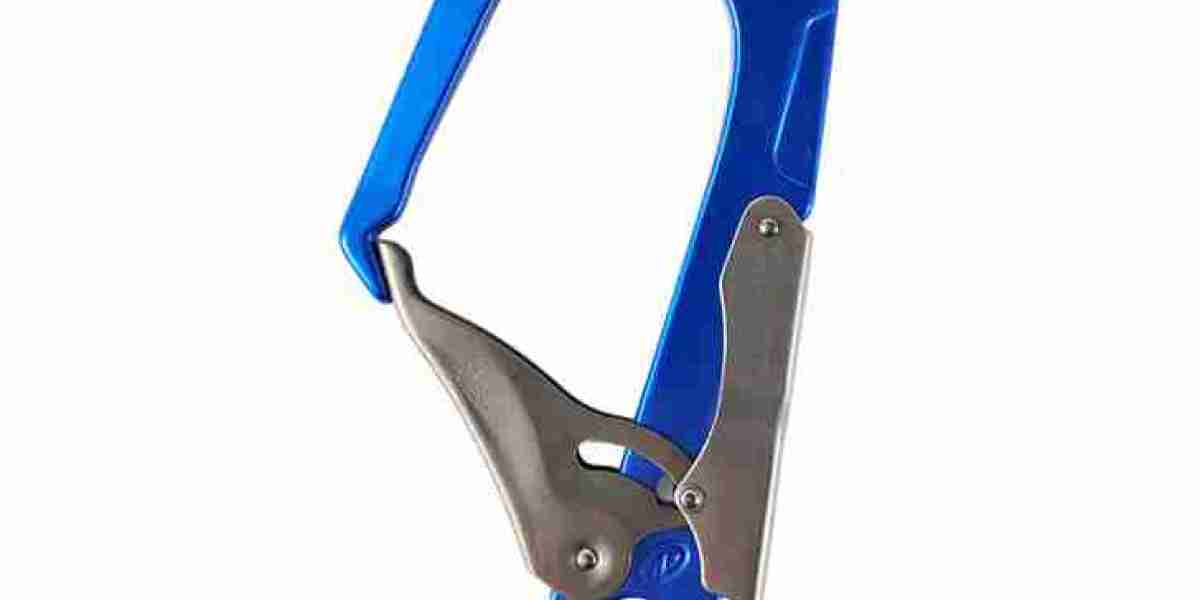

A Safety Hook is a small yet essential tool used in many environments where secure connections are required. It is commonly found in construction, outdoor activities, industrial work, and even everyday situations where items need to be fastened or supported safely. Despite its simple appearance, the function of a Safety Hook plays a meaningful role in preventing slips, drops, or unexpected disconnections.
The basic structure of a Safety Hook includes a curved body and a spring-loaded or locking gate. This gate mechanism allows the hook to open when pressure is applied and then close automatically once released. The design ensures that items attached to the hook remain in place without requiring constant adjustment. This automatic closure feature helps reduce the risk of accidental release.
In work environments, a Safety Hook is often used to connect tools, ropes, or safety lines. Workers rely on it to secure equipment while operating at height or in areas where dropping objects could create hazards. The reliability of the hook depends on its material strength and the quality of its locking system.
Material selection is an important factor in the performance of a Safety Hook. Common materials include steel, stainless steel, and aluminum alloys. Each material offers different characteristics, such as resistance to corrosion or reduced weight. These variations allow users to choose a hook that matches their specific working conditions.
Ease of use is another advantage. A Safety Hook can be attached and removed quickly without complex steps. This is especially useful in situations where efficiency matters, such as setting up equipment or adjusting connections during a task. The simple operation does not require advanced tools, making it accessible for a wide range of users.