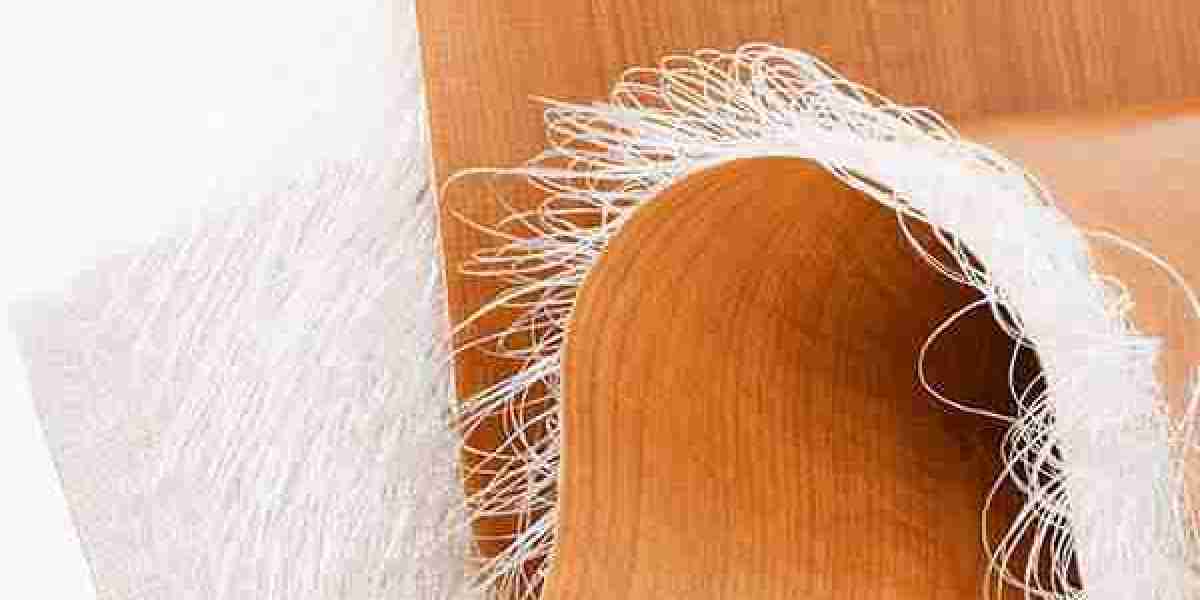

Textiles that balance durability, flexibility, and functional performance are increasingly vital in modern applications. Double Wall Fabric exemplifies such balance, offering a dual-layered structure that enhances strength, insulation, and dimensional stability. Shanghai MSD International Trade Co., Ltd. supplies this versatile material to industries that demand reliability, aesthetic appeal, and performance across architectural, industrial, and consumer applications.
The defining feature of double wall fabric is its dual-layer configuration, often separated by a network of spacer threads or a micro air gap. This design improves mechanical stability, thermal insulation, and breathability while keeping the fabric lightweight. The outer layer can be treated for UV resistance, abrasion protection, and water repellency, while the inner layer provides flexibility, comfort, or additional structural support. The air gap between layers further enhances insulation properties and sound absorption, making the fabric suitable for both interior and exterior applications.
Advanced manufacturing techniques are critical in producing high-quality double wall fabric. Precision weaving and knitting methods interlace the two layers while maintaining uniform spacing. Laminating or coating treatments are applied to improve surface properties such as chemical resistance, fire retardancy, and durability. Quality control ensures consistent layer separation, uniform thickness, and dimensional stability. Optional surface modifications, including embossing or texturing, expand design flexibility while maintaining functional performance.
Performance attributes of double wall fabric are determined by material composition and construction. Mechanical properties such as tensile strength, tear resistance, and puncture resistance are tested to guarantee durability under stress. Thermal performance is assessed through heat flow and conductivity testing, while breathability and moisture management are evaluated via water vapor transmission and absorption tests. Additional testing for abrasion resistance, colorfastness, and environmental exposure, including UV and humidity cycling, ensures long-term performance in various conditions.
Double wall fabric has broad applications across multiple sectors. In architecture and interior design, it is used for acoustic panels, decorative wall coverings, and upholstery, benefiting from its thermal and sound insulation properties. In industrial contexts, the fabric serves as protective linings, filtration layers, and reinforcement textiles, providing durability under mechanical and environmental challenges. Consumer products such as luggage, outdoor equipment, and apparel also utilize double wall fabric for its combination of lightweight strength, flexibility, and durability.
Testing and verification are essential to ensure consistent quality. Mechanical tests, including tensile, tear, and puncture assessments, confirm structural reliability. Thermal and acoustic tests validate insulation and sound-dampening performance, while environmental simulations ensure the fabric’s resistance to UV, temperature fluctuations, and humidity. Additional evaluations for chemical resistance and fire retardancy ensure compliance with safety standards across applications.
Fabrication and installation practices influence the long-term effectiveness of double wall fabric. Proper cutting, seam reinforcement, and careful handling preserve the integrity of the dual-layer construction and air gap. Laminated or coated versions require controlled heat and pressure treatments to secure adhesion and prevent delamination. Following recommended installation and maintenance practices ensures the fabric retains its mechanical, thermal, and acoustic properties throughout its service life.
Sustainability considerations are increasingly integrated into double wall fabric production. Lightweight construction reduces material consumption, while durable designs extend service life and reduce replacement frequency. Advances in fiber selection, environmentally friendly coatings, and recycling compatibility enhance ecological performance, aligning with contemporary sustainability standards across industrial and consumer applications.
With its layered design, structural resilience, and versatile performance, double wall fabric offers a reliable solution for demanding applications. Shanghai MSD International Trade Co., Ltd. provides high-quality double wall fabric designed to meet industrial, architectural, and consumer needs. For more information on specifications, processing methods, and applications, please visit https://www.shanghaimsd.com/news/why-is-double-wall-fabric-an-ideal-choice-for-multiple-applications.html .