
In applications where airtight performance and structural flexibility are essential, material selection plays a decisive role in ensuring safety and durability. PVC Inflatable Fabric is widely recognized for its ability to combine mechanical strength with reliable air retention, making it suitable for a variety of inflatable and air-supported systems. Supplied by Shanghai MSD International Trade Co., Ltd., this material is commonly used in water sports equipment, temporary structures, and industrial inflatables, where both resilience and adaptability are required.
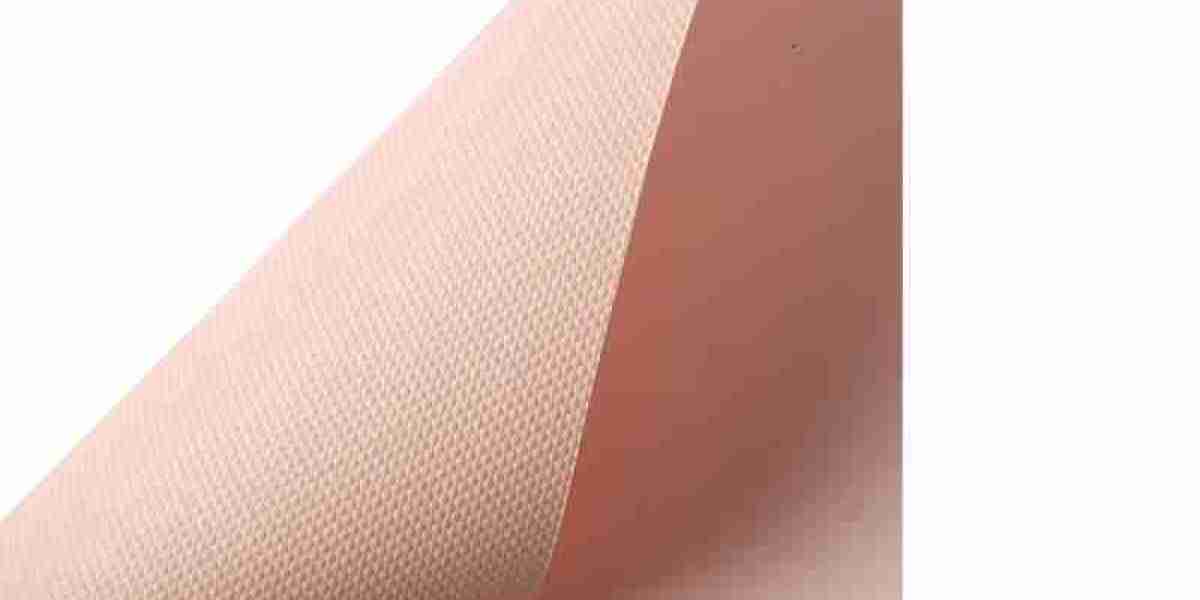
The construction of PVC inflatable fabric is based on a composite structure that integrates a woven textile base with a polymer coating. The woven polyester fabric provides the primary load-bearing capability, offering high tensile strength and resistance to deformation under pressure. The PVC coating, applied to one or both sides of the fabric, creates an impermeable barrier that ensures airtightness and water resistance. This dual-layer design allows the material to withstand internal air pressure while maintaining flexibility for folding, transport, and deployment.
Manufacturing processes are carefully designed to ensure consistent quality and performance. Knife-over-roll coating is commonly used to apply the PVC layer evenly across the fabric surface, ensuring strong adhesion and uniform thickness. In higher-performance variants, double-sided coating or lamination techniques are used to enhance durability and sealing properties. Surface treatments such as embossing or protective coatings can improve abrasion resistance and handling. Controlled curing conditions are essential to achieving optimal bonding between layers and maintaining the material’s flexibility.
Material formulation plays a critical role in defining the functional characteristics of PVC inflatable fabric. Plasticizers are incorporated to improve elasticity, allowing the material to expand and contract repeatedly without cracking. UV stabilizers protect the fabric from degradation caused by sunlight exposure, ensuring long-term outdoor performance. Additional additives such as flame retardants and anti-microbial agents may be included for specialized applications. These formulations enable the material to meet the demands of various environments while maintaining structural integrity.
Performance testing ensures that PVC inflatable fabric meets the requirements of its intended applications. Tensile and tear strength tests evaluate the material’s ability to withstand mechanical stress during use. Air retention tests measure the effectiveness of the coating in preventing leakage over time. Peel strength tests assess the adhesion between the PVC layer and the fabric base. Environmental tests, including UV exposure and temperature variation, determine the material’s durability under outdoor conditions. These evaluations provide assurance of consistent performance and reliability.
The range of applications for PVC inflatable fabric is extensive due to its unique combination of properties. In water-related applications, it is used for inflatable boats, floating platforms, and safety equipment. In construction and event industries, it serves as the material for air-supported domes, temporary shelters, and inflatable tents. Recreational uses include inflatable playground equipment, promotional structures, and sports gear. Its adaptability also makes it suitable for industrial containment systems and emergency response equipment.
Processing and fabrication methods are crucial to achieving reliable performance in finished products. High-frequency welding and heat sealing techniques are used to create strong, airtight seams. These processes ensure that the material maintains its integrity under pressure and repeated use. Cutting and shaping methods allow for the creation of complex designs and customized structures. Proper handling and quality control during fabrication are essential to prevent defects and ensure consistent performance.
Environmental considerations are becoming increasingly important in the production and use of inflatable materials. Advances in PVC formulation aim to reduce emissions and improve recyclability, supporting more sustainable manufacturing practices. The durability and long service life of PVC inflatable fabric reduce the need for frequent replacement, contributing to resource efficiency. Ongoing innovation continues to improve both performance and environmental compatibility.
With its combination of mechanical strength, flexibility, and airtight reliability, PVC Inflatable Fabric provides a dependable solution for a wide range of inflatable applications. Backed by Shanghai MSD International Trade Co., Ltd., this material supports diverse industries with consistent quality and performance. For more detailed information about specifications, applications, and processing methods, please visit https://www.shanghaimsd.com/news/what-is-pvc-inflatable-fabric-everything-you-need-to-know.html .