
In the field of interior architectural materials, the demand for lightweight, adaptable, and visually appealing ceiling solutions continues to grow. PVC Ceiling Film has gained attention as a flexible material capable of meeting both functional and decorative requirements. Shanghai MSD International Trade Co., Ltd. supplies this advanced ceiling material to support a wide variety of interior projects, offering solutions that combine aesthetic versatility with practical performance.
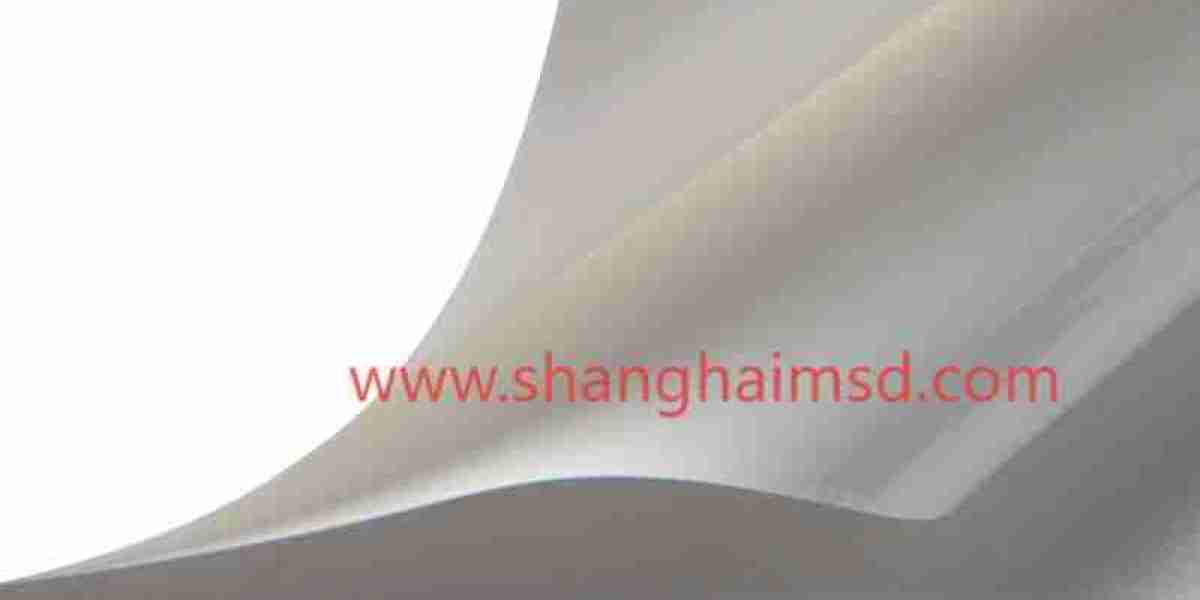
The construction of PVC ceiling film is based on a thin polymer sheet engineered for use in tensioned ceiling systems. This material is designed to be stretched across a supporting frame, forming a flat and seamless surface that enhances the visual continuity of interior spaces. Its elasticity allows it to accommodate installation stress without cracking, while its lightweight nature reduces the load on structural components. The film can be produced in different surface finishes, including glossy, matte, satin, and textured styles, enabling a wide range of design possibilities.
Manufacturing processes for PVC ceiling film involve extrusion and calendaring technologies that ensure consistent thickness and high-quality surface finishes. During production, PVC resin is blended with additives such as plasticizers, stabilizers, and pigments to achieve the desired flexibility, durability, and appearance. Advanced finishing techniques, including embossing and coating, are applied to enhance texture and visual appeal. Quality control measures are implemented throughout the process to ensure uniformity and reliable performance across all batches.
Material formulation plays a significant role in determining the functional characteristics of PVC ceiling film. Plasticizers are used to improve flexibility, allowing the material to stretch during installation. Stabilizers enhance resistance to heat and ultraviolet light, helping the film maintain its color and structural integrity over time. Flame-retardant additives are incorporated to meet safety standards, particularly in commercial and public environments. Additional treatments, such as anti-microbial coatings, may be applied for use in hygiene-sensitive areas.
Performance evaluation is essential to ensure that PVC ceiling film meets application requirements. Mechanical tests, including tensile strength and elongation, assess the film’s ability to withstand stretching and maintain its shape. Fire resistance testing verifies compliance with safety regulations. Surface durability is evaluated through abrasion and scratch resistance tests, while color stability is assessed through exposure to light and environmental conditions. Moisture resistance and temperature stability testing further confirm the material’s suitability for various indoor environments.
PVC ceiling film is widely used in a range of applications due to its versatility and ease of installation. In residential interiors, it is commonly used in living rooms, kitchens, and bathrooms, offering a modern and easy-to-maintain ceiling solution. In commercial environments such as offices, retail stores, and hotels, it provides customizable design options and supports integrated lighting systems. Public facilities, including healthcare and educational buildings, benefit from its hygienic properties and clean appearance. The material is also suitable for creative applications such as backlit ceilings and decorative installations.
Processing and installation techniques are key to achieving optimal results. The film is typically installed using a tensioning system, where it is heated to increase flexibility and then stretched across a frame. This process allows the material to form smooth surfaces and adapt to complex shapes. Precision during installation is essential to ensure uniform tension and avoid defects. Maintenance is relatively simple, requiring routine cleaning to preserve the material’s appearance and performance over time.
Environmental considerations are becoming increasingly relevant in the development of PVC ceiling films. Advances in production technology aim to reduce environmental impact while maintaining material performance. The durability of the film contributes to a longer service life, reducing the need for frequent replacement. Efforts to improve recyclability and optimize material usage support more sustainable practices in the construction and interior design industries.
With its combination of flexibility, durability, and design versatility, PVC ceiling film continues to play an important role in modern interior applications. Shanghai MSD International Trade Co., Ltd. offers high-quality solutions tailored to diverse project requirements. For more information about product specifications, processing methods, and application possibilities, please visit https://www.shanghaimsd.com .