
In both home and professional kitchens, Parchment Paper has become an indispensable tool, providing a reliable non-stick surface while facilitating even cooking and easy cleanup. Zhejiang Guanghe New Materials Co., Ltd. offers premium parchment sheets designed to endure high oven temperatures, resist grease, and support a wide array of culinary tasks, from delicate pastries to roasted vegetables and candy-making.
High-Quality Materials and Production Techniques
The effectiveness of parchment paper begins with carefully selected cellulose fibers. These fibers are processed into thin, durable sheets that maintain strength and flexibility even under high heat. The uniformity of thickness and fiber density ensures that the paper resists tearing, curling, and other common issues during baking.
A key component of its quality is the food-grade silicone coating, which provides non-stick performance and moisture resistance. This coating allows baked goods to release cleanly, prevents oils and sugars from adhering, and facilitates efficient cleanup. The silicone is precisely cured to ensure even coverage and long-lasting performance across each sheet.
Heat Resistance and Consistent Results
Parchment paper from Zhejiang Guanghe New Materials Co., Ltd. is engineered to withstand high baking temperatures without warping or losing integrity. Its structural stability is crucial for items like macarons, meringues, and pastries, where consistent heat distribution directly affects texture and appearance.
Additionally, parchment paper acts as a heat buffer, promoting even cooking and preventing hot spots that could lead to burning. It protects baking trays from direct contact with fats, oils, and sticky ingredients, extending equipment life and reducing cleaning requirements.
Practical Tips and Techniques
For optimal results, parchment paper should be trimmed to fit pans or trays. Circular sheets are ideal for round cake pans, while rectangular sheets suit sheet cakes and cookie trays. Proper sizing reduces wrinkles that can compromise baking or cause sticking.
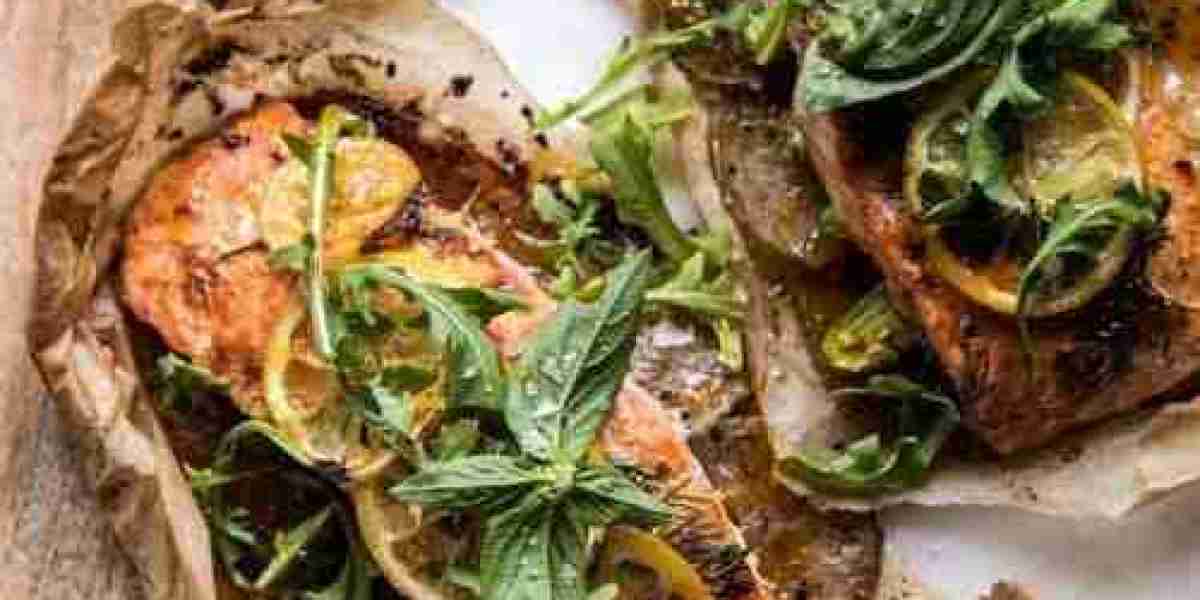
Parchment paper is also effective as a rolling surface for dough, minimizing the need for extra flour and preventing sticking. Multiple layers can separate baked goods or frozen items, making storage more efficient. The “en papillote” cooking technique, which involves wrapping ingredients in parchment before baking, traps steam, retains moisture, and enhances flavor.
Beyond Traditional Baking
Parchment paper is also valuable for roasting, candy-making, and chocolate preparation. Its non-stick and heat-resistant properties provide a hygienic surface that facilitates shaping and cooling, while simplifying cleanup. In commercial kitchens, disposable sheets minimize contamination risk and improve workflow efficiency.
Industrial Applications and Efficiency
In large-scale operations, parchment paper contributes to productivity and consistent results. Pre-cut sheets or rolls allow rapid tray preparation, easy product removal, and uniform batch baking. Its non-stick and heat-resistant properties help preserve product quality and appearance while reducing cleaning time and protecting equipment from residue buildup.
Zhejiang Guanghe New Materials Co., Ltd. continues to innovate in parchment paper manufacturing, improving fiber processing, silicone coating application, and heat tolerance. These enhancements produce durable, eco-friendly sheets suitable for both professional and domestic kitchens.For more information about Zhejiang Guanghe New Materials Co., Ltd. and their premium parchment paper products, please visit: https://www.guanghepaper.com/product .