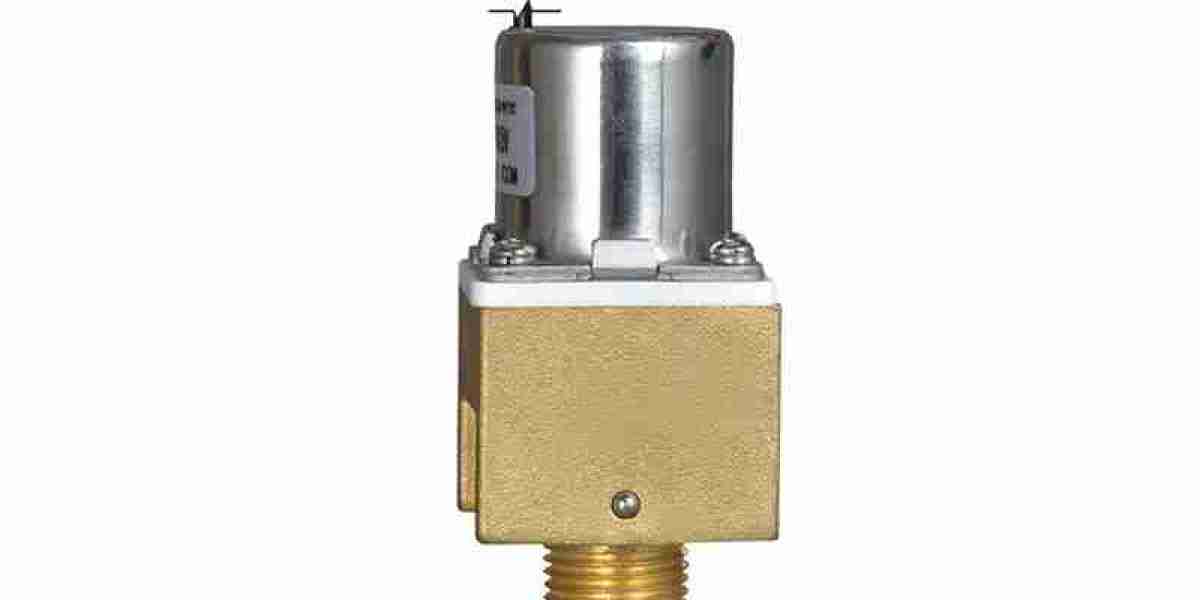

A Latching Solenoid Valve is an innovative solution for controlling fluid or gas flow with minimal energy consumption. Unlike traditional solenoid valves that require continuous power to maintain position, a latching solenoid valve only uses power when switching states, which makes it highly efficient for battery-powered or energy-conscious systems. Both industrial users and Latching Solenoid Valve Manufacturers are increasingly adopting this technology for its operational and cost advantages.
1. Energy Efficiency and Operational Flexibility
Latching solenoid valves operate in a "set and hold" mode. They consume energy only during switching, which significantly reduces power usage over time. This feature is particularly useful in remote or automated systems where a continuous power supply may not be available. Manufacturers often highlight this capability as a key benefit for energy-efficient design.
2. Durability and Long-Term Reliability
These valves are designed for long-term operation, with robust construction and high-quality components. Many models can withstand millions of switching cycles without significant wear. The use of durable materials, such as stainless steel and reinforced coil systems, ensures consistent performance even in demanding industrial environments. Latching Solenoid Valve Manufacturers often offer versions with corrosion-resistant finishes for harsh conditions.
3. Installation and Compatibility
Latching solenoid valves are versatile in installation. They can be integrated into various piping systems and industrial setups with minimal adaptation. Some valves support multiple voltage inputs, making them compatible with a range of control systems. This flexibility allows engineers and facility managers to choose solutions that align with existing infrastructure while benefiting from the latching design.
4. Applications Across Industries
Industrial Automation: Used in pneumatic or hydraulic systems for precise fluid control.
Remote Systems: Ideal for applications where a continuous electrical supply is limited.
Energy Management: Reduces operational costs by lowering electricity consumption in devices that require frequent valve switching.
Water and Gas Control: Latching solenoid valves provide reliable operation in water treatment or gas distribution networks.
The Latching Solenoid Valve offers a combination of efficiency, durability, and flexibility that traditional solenoid valves cannot match. By working with reputable Latching Solenoid Valve Manufacturers, companies gain access to products that are engineered for long-term performance and tailored to specific industrial needs. Whether for industrial automation, remote installations, or energy-sensitive environments, these valves provide practical solutions for modern system requirements.