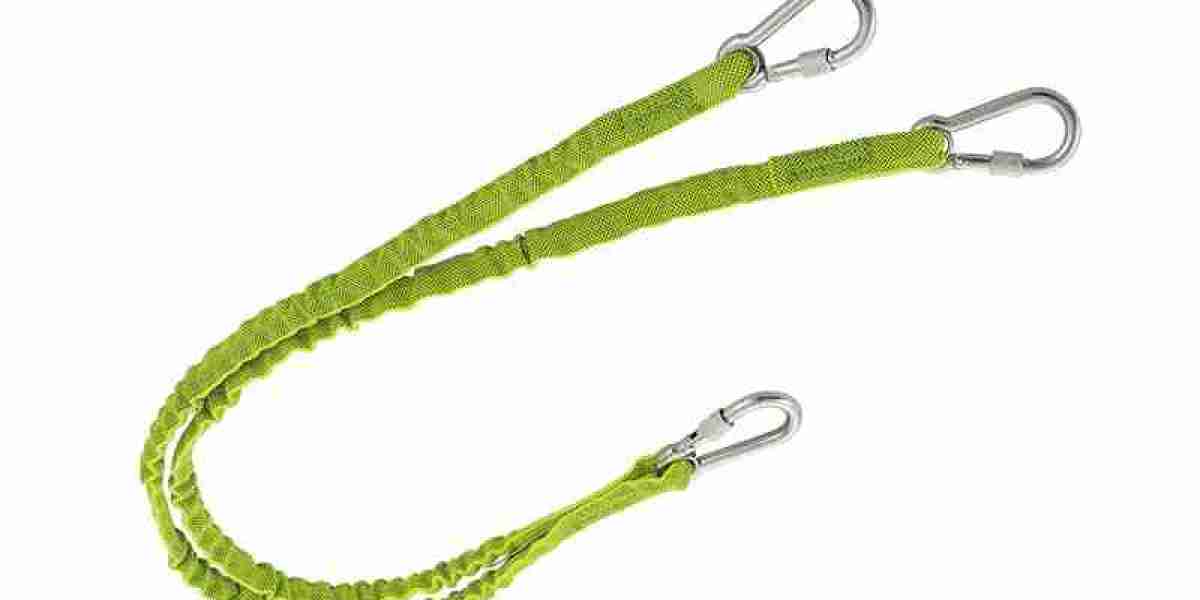

Work at height often involves handling tools such as wrenches, drills, and other heavy equipment. In these environments, Tool Tethers act as a connection system between the tool and an anchoring point. Contractors, equipment distributors, and project managers frequently look for dependable suppliers such as a Tool Tethers Factory when sourcing these products for construction or industrial projects.
Basic structure of Tool Tethers
A Tool Tethers system is essentially a length of material with connectors positioned at each end. One connector attaches to the tool, while the other connects to a harness, belt, or fixed anchor point.
This structure allows the user to operate the tool while keeping it physically linked to the worker or equipment station. If the tool slips from the hand, the tether limits its movement and keeps it attached to the system.
Manufacturers operating as a Tool Tethers Factory usually design several models to support different tool weights and attachment styles. These variations allow distributors to supply equipment for different industries.
Weight capacity used in Tool Tethers systems
Industrial tools used on towers, scaffolding, and elevated platforms can vary widely in size and weight. Because of this, Tool Tethers are often designed to support a defined weight range.
Many tether systems support tools from 2.5 pounds up to 25 pounds. This range covers common handheld equipment used in construction, equipment installation, and facility maintenance.
Buyers sourcing from a Tool Tethers Factory often check weight ratings carefully when selecting models for their catalog. Contractors working on height-based projects usually match the tether model to the tool type used on site.
Material structure inside Tool Tethers
Durability is an important part of tether design. Many Tool Tethers combine internal flexible components with external protective materials to maintain strength during daily use.
Typical construction includes:
Internal elastic or flexible core allowing tool movement
Nylon webbing enclosure surrounding the tether structure
Metal or reinforced connectors at both ends
The nylon webbing layer protects the internal structure while also increasing durability. A Tool Tethers Factory often uses this design because it balances flexibility with structural strength.
Distributors comparing Tool Tethers products usually review stitching consistency, webbing thickness, and connector hardware before choosing a supplier.
Why distributors work with a Tool Tethers Factory
Large industrial projects and equipment supply chains require steady product availability. Working directly with a Tool Tethers Factory allows distributors to source multiple models and maintain consistent stock levels.
Factories producing Tool Tethers typically offer product variations designed for different tool weights and connection styles. This flexibility allows equipment suppliers to serve contractors working in construction, facility maintenance, and mechanical installation.
Another factor for distributors is production capability. A reliable Tool Tethers Factory can support repeat orders for projects that require large quantities of tether systems.
For contractors and industrial equipment suppliers, Tool Tethers form part of an effective tool management setup when working at elevation. Buyers evaluating products from a Tool Tethers Factory usually review weight capacity, structural materials, and connector design before selecting models for ongoing procurement.