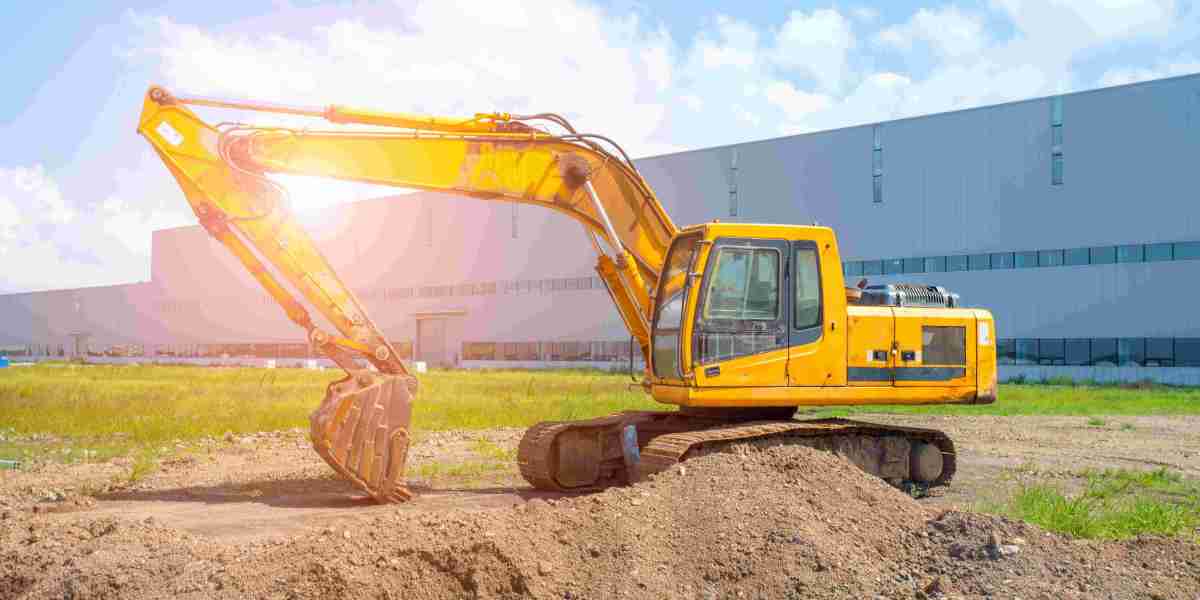

The excavators market is experiencing sustained global growth as infrastructure development, urbanization, and industrial expansion drive demand for earthmoving equipment across construction, mining, forestry, and utilities sectors. Excavators are heavy construction machines designed for digging, material handling, demolition, trenching, and land development activities. They play a critical role in large-scale infrastructure projects including highways, railways, residential complexes, and energy facilities.
Technological advancements such as telematics integration, automated controls, energy-efficient hydraulic systems, and electrification initiatives are transforming excavator performance and operational productivity. Increasing investments in smart construction technologies and digital fleet management platforms are also reshaping equipment utilization and lifecycle optimization.
"The Global Excavators Market was valued at USD 50.66 billion in 2025 and is projected to reach USD 88.83 billion by 2034, growing at a CAGR of 6.44%."
Between 2025 and 2034, growth is expected to remain robust, supported by rising public infrastructure spending, increasing mining activities, and expansion of construction equipment leasing markets worldwide.
Industry Size and Market Structure
The excavators industry comprises upstream suppliers of steel structures, hydraulic components, engines, electronic control systems, and attachments; midstream original equipment manufacturers (OEMs) and system integrators; and downstream construction contractors, mining companies, and infrastructure developers.
Upstream suppliers influence machine durability, fuel efficiency, and operational performance through innovations in materials engineering, hydraulics, and powertrain technologies. The integration of sensors and control modules enables enhanced safety and predictive maintenance capabilities.
Midstream manufacturers design and assemble various excavator categories including crawler excavators, wheeled excavators, mini/compact excavators, and long-reach models tailored to different terrain conditions and project requirements.
Downstream distribution channels include direct equipment sales, leasing providers, rental companies, industrial equipment distributors, and aftermarket service networks supporting maintenance, refurbishment, and component replacement.
Key Growth Trends Shaping 2025–2034
One major trend influencing the market is the growing adoption of automation and telematics systems that enable remote monitoring, fleet optimization, and improved fuel efficiency. These technologies help contractors enhance productivity and reduce operational costs.
Another important trend is the increasing development of electric and hybrid excavators aimed at reducing emissions and supporting sustainability targets in urban construction projects. Electrification initiatives are gaining traction as governments introduce stricter environmental regulations and incentives for low-emission construction equipment.
Demand for compact excavators is rising due to their suitability for urban infrastructure projects, landscaping, and confined construction environments. Additionally, advanced hydraulic systems and intelligent engine technologies are improving machine precision and operational safety.
Rising investments in mining infrastructure and renewable energy projects are also contributing to excavator demand, particularly for heavy-duty machines capable of operating in harsh environments.
Core Drivers of Demand
Increasing global infrastructure investments and urban development projects.
Expansion of construction and mining activities in emerging economies.
Technological advancements in automation, telematics, and fuel-efficient machinery.
Growing equipment rental and leasing markets improving accessibility.
Rising demand for compact and versatile excavators in urban construction.
Government initiatives promoting industrialization and transportation infrastructure.
Challenges and Constraints
Despite positive growth prospects, the market faces challenges such as high capital costs associated with advanced excavator models and fluctuating raw material prices that can impact manufacturing expenses.
Economic uncertainties and variations in construction activity levels may influence equipment procurement decisions. Supply chain disruptions affecting hydraulic components and electronic modules can also impact production timelines.
Environmental concerns related to emissions and fuel consumption require continuous innovation and compliance with evolving regulatory standards. Additionally, the transition toward electrified machinery demands significant investments in R&D and charging infrastructure.
Browse more Information:
https://www.oganalysis.com/industry-reports/excavators-market
Segmentation Outlook
By type, the market includes crawler excavators, wheeled excavators, mini/compact excavators, and long-reach excavators.
By propulsion type, segmentation comprises diesel-powered excavators, hybrid models, and battery-electric excavators.
By application, the market serves construction, mining, forestry, agriculture, utilities, and demolition activities.
By weight class, excavators are categorized into small (below 10 tons), medium (10–40 tons), and large (above 40 tons) machines designed for varied operational requirements.
By sales channel, equipment is supplied through direct OEM contracts, rental and leasing providers, distributors, and aftermarket service networks.
Regional Dynamics
Asia-Pacific remains the dominant regional market driven by rapid urbanization, large-scale infrastructure development, and expanding construction activities across China, India, and Southeast Asia.
North America shows steady demand supported by investments in public works projects and modernization of construction equipment fleets. Europe maintains consistent growth influenced by sustainability regulations and increasing adoption of electric construction machinery.
Latin America and Middle East & Africa present emerging opportunities as mining operations expand and governments invest in transportation and energy infrastructure development.
Key Market Players
- Caterpillar Inc.
- Komatsu Ltd.
- Hitachi Construction Machinery Co. Ltd
- Volvo Construction Equipment
- Deere & Company
- SANY Group
- XCMG Group
- JCB Ltd
- Kobelco Construction Machinery
- Doosan Bobcat
Competitive Landscape and Forecast Perspective (2025–2034)
Competition in the excavators market is driven by innovation in automation technologies, energy-efficient designs, and digital fleet management capabilities. Manufacturers are focusing on developing intelligent excavators with real-time monitoring systems, enhanced operator safety features, and improved fuel economy.
Strategic priorities through 2034 include expanding manufacturing footprints in emerging markets, strengthening equipment rental partnerships, investing in electrification technologies, and enhancing aftermarket service networks.
Looking ahead, excavators will continue to play a pivotal role in global infrastructure development and industrial growth. As construction activities accelerate and sustainability requirements reshape equipment design, manufacturers delivering reliable, efficient, and technologically advanced excavation solutions are expected to capture sustained growth opportunities across global markets.
Browse Related Reports:
https://www.oganalysis.com/industry-reports/process-safety-services-market
https://www.oganalysis.com/industry-reports/trailer-sprayer-market
https://www.oganalysis.com/industry-reports/immersion-wash-system-market
https://www.oganalysis.com/industry-reports/heavy-construction-equipment-market
https://www.oganalysis.com/industry-reports/elevators-and-escalators-market