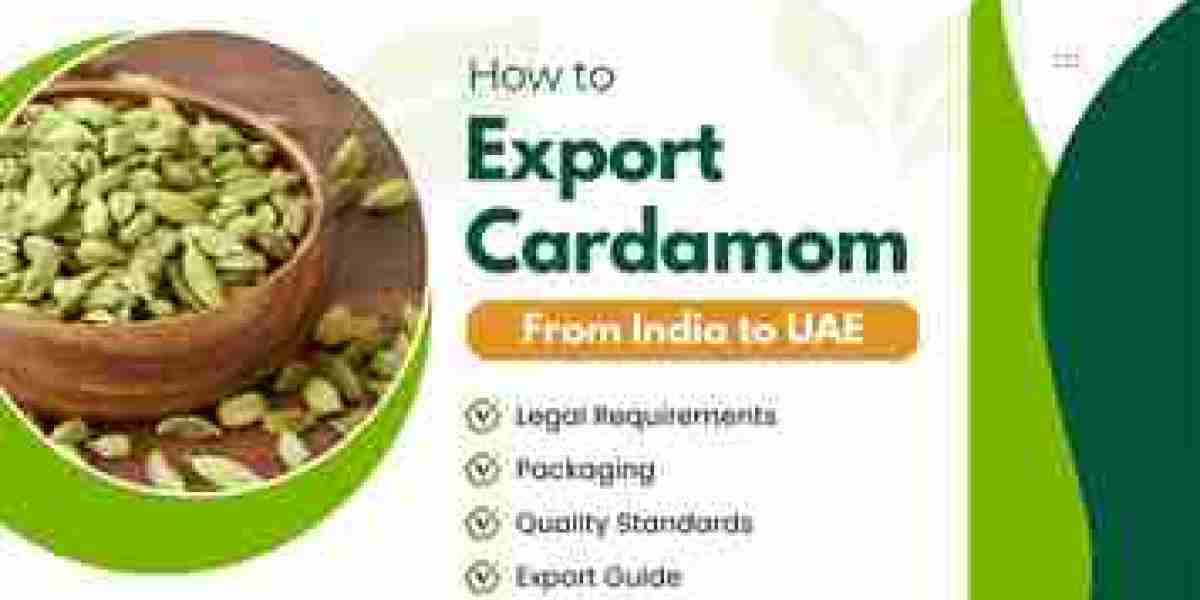

India is a global leader in the production of cardamom, the "queen of spices," with an estimated output of 20,969 metric tons for the 2024-25 season. Due to its unique flavor profile and medicinal properties, Indian cardamom is a highly sought-after commodity, particularly in the United Arab Emirates (UAE).
The Strategic Importance of the UAE Market
The UAE serves as a vital trade hub and a gateway for goods entering the Gulf region. Beyond domestic consumption, the UAE acts as a re-export center for neighboring markets such as Saudi Arabia, Oman, Qatar, and Kuwait.
originally published at : dandsinternational.co
Key Demand Drivers in the UAE:
Cultural Traditions: Cardamom is essential for preparing traditional Arabic coffee (Gahwa).
Industrial Use: It is a staple in confectionery, dessert production, and the hospitality sector.
Retail Demand: The spice is a mainstay in local retail markets and spice souks.
Varieties and Quality Grading
Indian exporters primarily focus on high-quality green cardamom. Understanding specific grades is essential for meeting buyer expectations in the UAE.
Major Varieties
Alleppey Green Extra Bold (AGEB): Known for its bright green color, large size, and superior aroma.
Mysore Variety: Characterized by a slightly lighter color and strong aromatic properties.
Malabar Variety: Commonly used in general food production and spice markets.
Size Grading
Cardamom is priced and traded based on its diameter in millimeters:
6 mm – 7 mm: Standard grades used for general culinary purposes.
8 mm and Jumbo: Larger pods that are visually preferred and command higher prices.
Legal and Regulatory Framework
Exporting from India requires compliance with several government bodies to ensure safety and quality standards.
Import Export Code (IEC): A mandatory registration issued by the DGFT for any international trade activity.
Spices Board of India: A regulatory body that oversees quality compliance and export promotion specifically for spices.
FSSAI & APEDA: Registrations that ensure food safety standards and provide support for agricultural exports.
Mandatory Documentation for UAE Export
A successful trade transaction requires a complete set of documents to clear customs without delays:
Commercial Invoice & Packing List: Detailing transaction values and package contents.
Certificate of Origin: Authenticating that the cardamom was produced in India.
Phytosanitary Certificate: Confirming the shipment is free from pests and meets health standards.
Proof of Shipment & Insurance: Protecting the goods during transit.
UAE-Specific Import Compliance
Suppliers must adhere to the UAE's local regulations to ensure market entry:
Product Registration: Food items often must be registered with municipal authorities, such as Dubai’s electronic system.
Arabic Labeling: Labels must include Arabic text covering the product name, ingredients, origin, and expiry dates.
Safety Standards: Products must comply with strict limits on pesticide residues and microbial contamination.
Challenges and Best Practices
| Challenge | Impact | Mitigation Strategy |
| Price Volatility | Fluctuating profit margins. | Careful planning and market monitoring. |
| Pesticide Residues | Risk of shipment rejection. | Strict adherence to international residue limits. |
| Quality Consistency | Variations in aroma and flavor. | Pre-shipment inspections and standardized processing. |
| Moisture Issues | Loss of aroma or spoilage. | Using vacuum-sealed or multi-layered packaging. |
For more info click here : dandsinternational.co