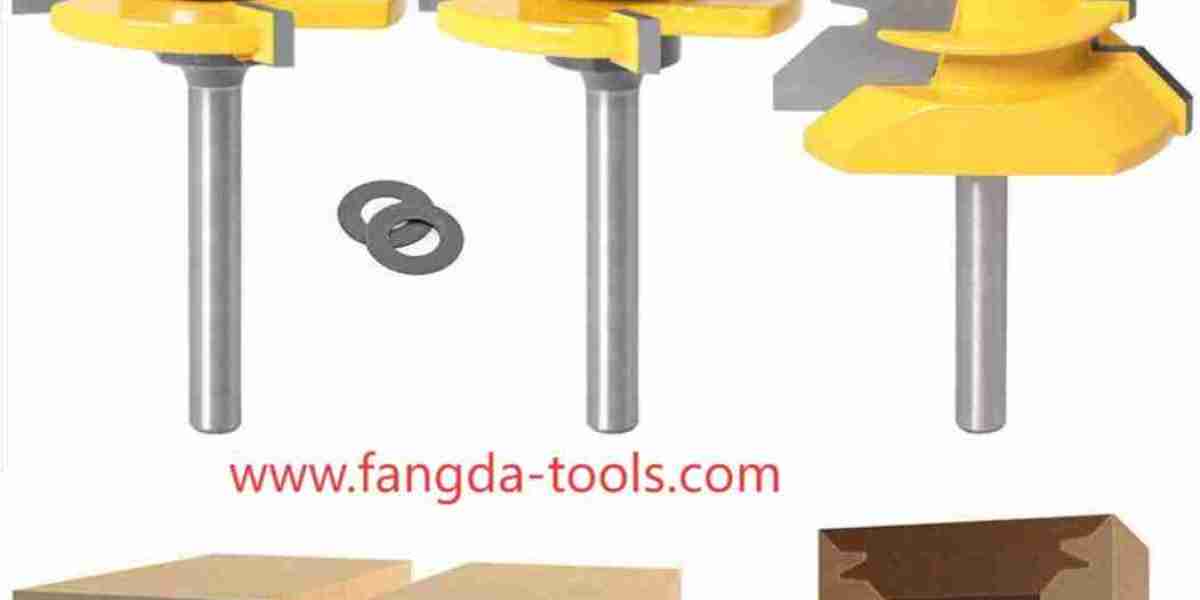

In woodworking environments where accuracy and consistency matter, the Fangda Wood Cutting Saw Blade offered by fangda-tools reflects the careful integration of structural balance and cutting efficiency. Its design supports controlled material separation, helping operators maintain steady motion while working with various wood types. By aligning cutting geometry with material interaction principles, this type of tool contributes to predictable performance and smoother workflow transitions across different woodworking tasks.
One of the central factors influencing cutting performance is the geometry of the cutting edge. The shape and alignment of each tooth determine how force is applied to the wood surface. When properly configured, the cutting edge engages the material gradually, allowing chips to separate in a controlled manner. This process helps maintain cleaner cutting paths and reduces irregular surface patterns. Consistent edge interaction allows users to perform both rough dimensioning and more refined shaping with greater confidence.
Structural balance also plays an important role in operational stability. During rotation, the blade must maintain even distribution of force to avoid unnecessary vibration. Balanced construction helps support smooth rotational movement, which contributes to more accurate cutting direction. Reduced vibration allows operators to maintain control throughout the cutting process, supporting steady guidance and more predictable outcomes. This stability is particularly important when working on projects that require precise alignment or careful finishing.
Material compatibility remains a key consideration in woodworking. Different wood species present varying densities and grain structures, which influence cutting resistance. A properly designed cutting tool accommodates these variations, allowing consistent performance across softwood, hardwood, and engineered wood materials. This adaptability helps reduce workflow interruptions and allows technicians to complete tasks efficiently without frequent tool changes.
Heat and friction management also contribute to reliable cutting behavior. As the blade moves through the material, friction naturally develops along the cutting edges. A well-constructed blade supports efficient heat distribution, helping maintain structural stability during extended use. This characteristic helps preserve the intended cutting geometry and supports consistent engagement with the material surface. Stable cutting conditions contribute to more uniform results and improved overall workflow continuity.
Surface finish quality often reflects the interaction between cutting geometry and structural integrity. When the blade moves smoothly through the material, it produces more even edges and clearer cut lines. This reduces the need for additional finishing work and supports efficient progression to the next stage of production. Reliable cutting performance allows woodworkers to focus on craftsmanship and project accuracy rather than compensating for inconsistent tool behavior.
Durability supports long-term usability in both professional and personal workshops. A blade that maintains its structural characteristics over repeated use contributes to stable workflow planning and dependable operation. Consistent performance allows users to approach each project with confidence, knowing that the cutting tool will respond predictably under proper handling conditions.
Each cut represents the interaction between material, motion, and thoughtful design. To see how carefully engineered cutting solutions can become part of your woodworking process, step beyond the workshop and enter https://www.fangda-tools.com/product/ , where every rotation opens the door to new creative possibilities.