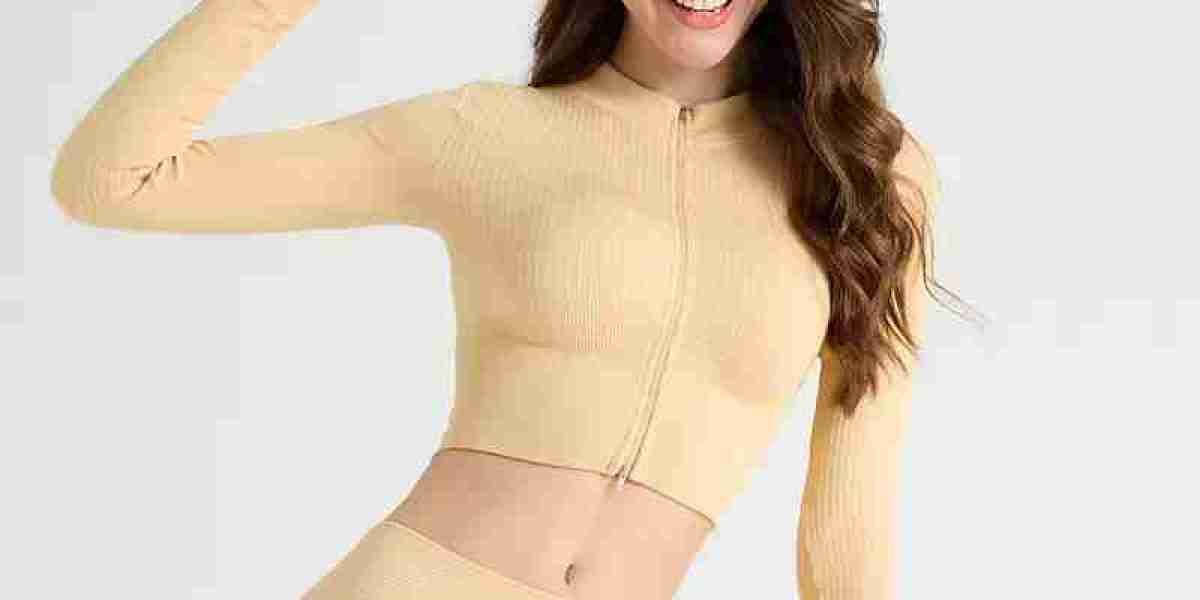

Intense physical activity generates substantial internal heat that bodies must dissipate to maintain safe core temperatures and sustain performance. Breathable Yoga Tops address this physiological requirement through engineered fabrics and construction methods that facilitate cooling during demanding workouts. Understanding why breathability matters transforms it from a luxury feature into a recognized necessity for anyone engaging in vigorous exercise routines.
The human thermoregulation system relies on perspiration evaporation as a primary cooling mechanism. When sweat sits on skin without evaporating, it fails to remove heat from the body. Fabrics that trap moisture create layers of wet material between skin and air, insulating rather than cooling. This trapped heat forces the cardiovascular system to work harder, diverting blood flow to skin surfaces for cooling rather than delivering oxygen to working muscles. The result manifests as premature fatigue and reduced performance capacity.
Air permeability in fabric structures determines how effectively garments allow heat exchange between body surfaces and surrounding environments. Open weave constructions permit air molecules to flow through material, carrying away warm, humid air from skin while allowing cooler external air to reach the body. This continuous exchange prevents the microclimate buildup that occurs with dense, non-breathable fabrics. The difference becomes starkly apparent during sustained high-intensity efforts where heat production outpaces natural cooling abilities.
Moisture transport properties work alongside air permeability to manage perspiration effectively. Advanced fabrics pull liquid away from skin through capillary action, distributing it across larger surface areas where evaporation occurs more rapidly. This wicking action keeps skin relatively dry even during heavy sweating, maintaining comfort while supporting the evaporative cooling process. Materials that absorb moisture but fail to release it quickly become saturated and heavy, losing their functional benefits.
Body mapping approaches optimize ventilation by placing highly breathable materials where heat generation concentrates. The back, chest, and underarm areas produce substantial warmth during exercise, benefiting from enhanced airflow. Strategic mesh placement or more open knit structures in these zones maximize cooling without compromising coverage elsewhere. This targeted engineering recognizes that uniform construction across entire garments fails to address varied thermal needs across body regions.
Temperature regulation directly impacts endurance and performance sustainability. When bodies overheat, protective mechanisms reduce exercise intensity involuntarily. Mental focus diminishes, perceived effort increases, and the desire to stop intensifies. Proper ventilation through Breathable Yoga Tops helps maintain thermal balance, allowing practitioners to sustain higher intensities for longer durations. This functional advantage matters whether pursuing fitness goals, athletic performance, or simply enjoying practice without unnecessary discomfort.
The psychological experience of overheating creates aversion to physical activity. Nobody enjoys feeling excessively hot, drenched in perspiration, and uncomfortable during workouts. These negative associations reduce motivation to exercise consistently. Conversely, maintaining reasonable comfort through proper fabric selection creates positive experiences that encourage regular practice habits. The relationship between thermal comfort and exercise adherence deserves recognition in discussions about appropriate athletic wear.
Fabric weight influences thermal properties significantly. Heavier materials create more insulation, trapping warmth that may feel pleasant during warmups but becomes oppressive as intensity increases. Lightweight fabrics minimize insulation while maintaining necessary coverage, allowing heat to dissipate more freely. The balance involves finding weights that provide appropriate opacity and durability without excessive thermal retention.
Skin health considerations emerge during intense workouts when moisture management fails. Prolonged contact with saturated fabric creates environments where chafing and irritation develop more readily. Salt residue from dried perspiration can further aggravate sensitive skin. Breathable materials that move moisture away from skin reduce these risks, supporting skin integrity alongside thermal comfort.
Recovery between intervals or exercises benefits from effective ventilation. As effort levels decrease temporarily, efficient cooling helps lower heart rates return more quickly, preparing bodies for subsequent work periods. This recovery facilitation matters particularly in interval training formats where repeated high-intensity efforts occur with brief rest periods.
Environmental factors compound the importance of breathability. Humid conditions slow evaporation rates, making fabric ventilation even more critical for cooling. Hot ambient temperatures reduce the thermal gradient between body and environment, further challenging natural cooling mechanisms. Indoor spaces with limited air circulation present additional obstacles to heat dissipation. In these contexts, garment breathability becomes increasingly important for maintaining comfort and performance.
The cumulative effect of proper ventilation extends beyond individual workout comfort to influence overall training consistency and enjoyment. Breathable Yoga Tops represent practical tools that support physiological cooling requirements during demanding physical activity. Equip yourself with garments engineered for effective temperature management during your most intense sessions at https://www.yogasuitfactory.com/product/ .