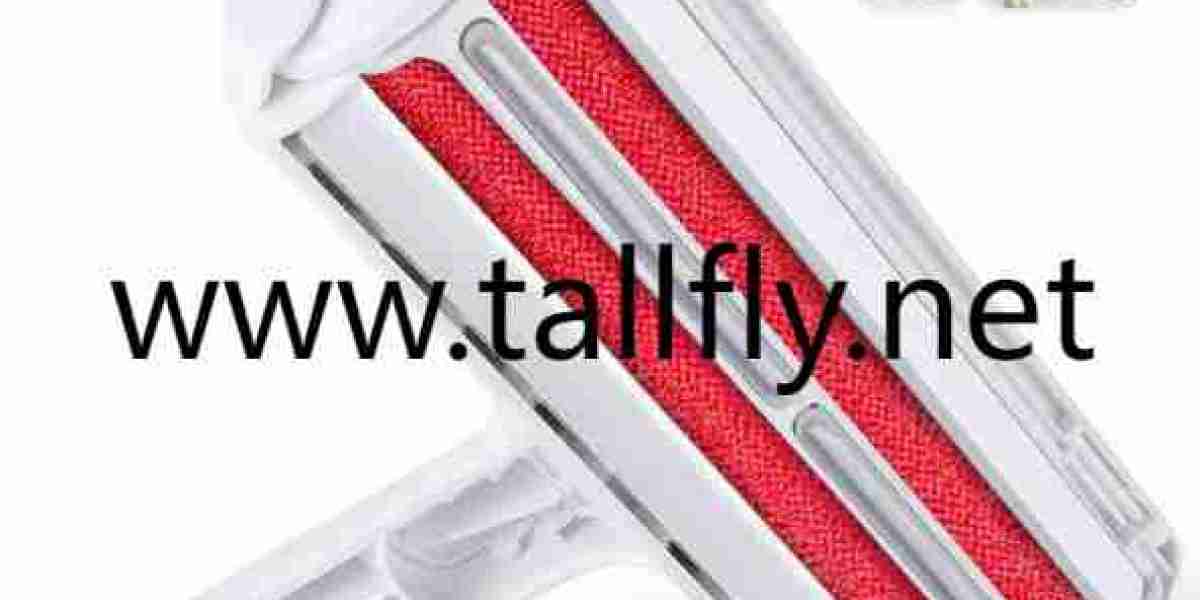

Removing embedded fur from furniture and fabrics challenges even dedicated caregivers seeking tidy living spaces. Tools promising easy hair removal flood marketplaces, yet quality and safety vary dramatically between options. Selecting an appropriate Pet Hair Scraper requires evaluating construction materials, edge design, and functional features that balance effectiveness with surface protection and longevity.
Material composition determines both durability and safety characteristics. Hard plastics resist breaking under pressure but may develop sharp edges if cracked during use. Rubber components provide flexibility that conforms to curved furniture surfaces without scratching, though these materials may degrade faster with repeated use. Metal scrapers offer longevity but require carefully designed edges preventing fabric snags or wood scratches. Understanding material trade offs helps identify tools matching specific household needs.
Edge design directly impacts both hair removal effectiveness and surface safety. Blunt edges glide over fabrics gathering hair without catching threads or damaging weaves. Overly sharp edges remove hair efficiently but risk tearing delicate materials or scratching finished wood. Slightly textured or micro serrated edges often provide ideal balance, grabbing hair effectively while remaining gentle on surfaces. Testing edge feel against skin provides quick safety assessment before furniture application.
Handle ergonomics influence user comfort during extended cleaning sessions. Short handles concentrate control in fingers and palms, providing precision for detailed work around furniture seams and crevices. Longer handles extend reach across large furniture surfaces without awkward stretching or bending. Contoured grips reduce hand fatigue during repetitive scraping motions. Considering typical cleaning scope helps determine appropriate handle length and shape.
Weight distribution affects control and maneuverability across various surfaces. Top heavy designs require more muscular effort maintaining consistent pressure, quickly tiring hands and arms. Balanced tools where weight centers near grip points move smoothly with minimal force application. Lightweight options suit quick touch ups while moderately weighted tools provide better control during thorough cleaning sessions.
Construction quality reveals expected lifespan and reliability. Seamless molded designs resist breaking at joint points common in multi piece assemblies. Reinforced stress points where handles meet scraping surfaces prevent premature failure during normal use. Smooth finish quality without rough edges or burrs indicates attention to manufacturing standards that typically correlate with overall durability.
Size considerations affect storage convenience and application versatility. Compact scrapers fit easily in cleaning caddies and small storage spaces while remaining adequate for most furniture maintenance. Larger implements cover more surface area per stroke, speeding cleaning of expansive sofas or beds. Multiple size options allow matching tools to specific tasks rather than forcing universal compromises.
Cleaning and maintenance requirements influence long term value and hygiene. Tools requiring disassembly for hair removal become tedious to maintain regularly. Simple designs allowing quick hair disposal between uses encourage consistent cleaning preventing buildup that reduces effectiveness. Dishwasher safe components simplify deep cleaning though hand washing typically suffices for routine maintenance.
Surface compatibility ratings help prevent damage to valuable furnishings. Tools marketed for universal use may scratch leather, damage velvet pile, or leave marks on polished wood. Specific material recommendations from manufacturers indicate testing and appropriate application boundaries. When compatibility information lacks clarity, testing inconspicuous areas before widespread use protects against unintended damage.
Edge replacement or resharpening capabilities extend tool lifespan in some designs. Removable blade systems allow refreshing cutting edges without replacing entire implements. While adding complexity, this feature provides long term economy for heavy use situations. Single piece permanent designs suit lighter use where replacement cost remains reasonable.
Price point correlation with quality deserves careful evaluation. Inexpensive options may serve adequately for occasional use or temporary needs. Frequent users benefit from investing in better constructed tools withstanding regular demands without performance degradation. Balancing immediate cost against expected lifespan and replacement frequency clarifies actual value.
Thoughtful selection based on construction quality, safety features, and practical considerations ensures effective hair removal without furniture damage or tool replacement frustration. Understanding how material choices, edge design, and ergonomic factors influence performance guides informed purchasing decisions. For hair removal tools designed with durability and surface safety prioritized through thoughtful construction, visit https://www.tallfly.net/ to review options suited to various furniture types and household cleaning needs.