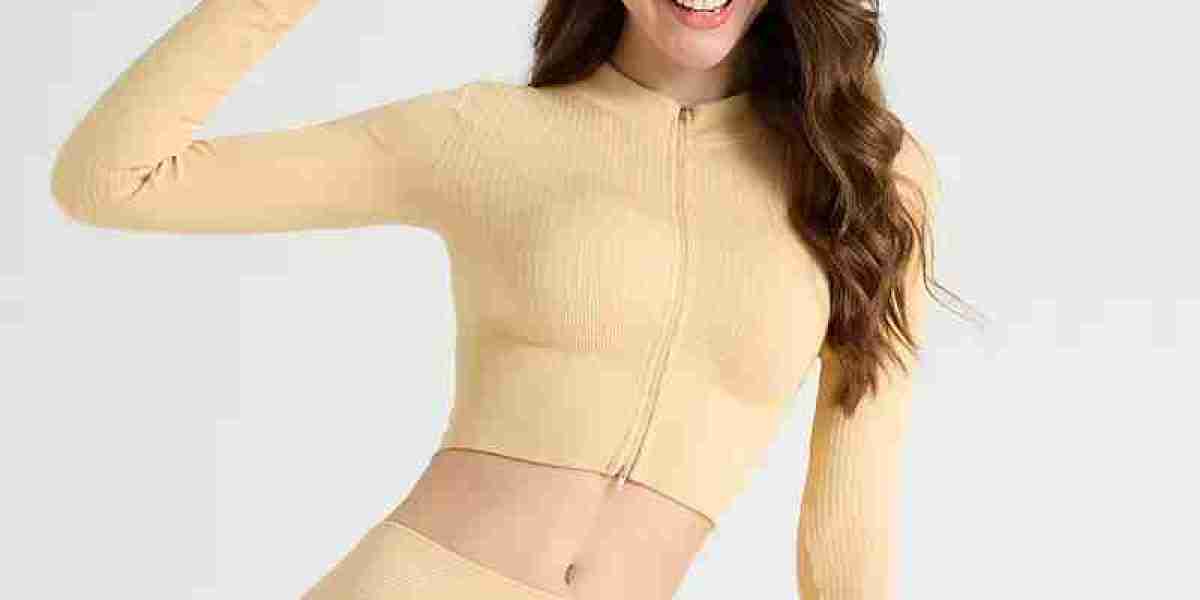

The relationship between your body and clothing during physical activity profoundly impacts both performance and enjoyment of your fitness routine. When garments feel cumbersome, restrictive, or irritating, they become constant distractions that pull focus away from the movements themselves. Seeking athletic wear that disappears against your skin allows complete immersion in your workout experience. Many active individuals now turn to Custom Buttery Soft Workout Clothes that provide that coveted barely there sensation through thoughtful design and material innovation.
Touch sensory experience begins the moment fabric contacts your skin. Harsh or rough textures create immediate awareness of what you're wearing, generating low level discomfort that accumulates over extended sessions. Fabrics engineered for smooth hand feel eliminate this friction, allowing garments to glide across your body rather than dragging or catching. This tactile quality becomes particularly important during exercises involving floor work, where your body repeatedly makes contact with surfaces through your clothing.
Fabric density affects how garments feel during wear. Materials that achieve proper balance between substantial coverage and lightweight construction create security without burden. Too thin and fabrics feel insubstantial or see through, creating self consciousness. Too heavy and they add unwanted weight that becomes noticeable during dynamic movements. The ideal middle ground provides adequate opacity and structure while maintaining an airy quality that lets you forget you're wearing anything.
Elasticity characteristics determine how intuitively clothing moves with your changing positions. Multi directional stretch allows fabric to expand and contract across various planes of motion simultaneously. When you reach overhead while lunging sideways, garments with genuine four way stretch accommodate both movements without pulling in competing directions. This responsive adaptability means your clothing never fights against your intended motion patterns.
Recovery properties ensure garments return to their original shape after stretching. Fabrics that bag out or become loose during wear lose that second skin quality, creating bunching and excess material that interferes with movement. Quality textiles bounce back immediately after being pulled, maintaining consistent fit throughout your entire session regardless of how many times you've stretched into challenging positions.
Breathability prevents the discomfort of trapped heat and moisture between fabric and skin. Even soft materials become unpleasant when they seal perspiration against your body rather than allowing it to escape. Technical fabrics that permit air circulation while wicking moisture away maintain that luxurious feel even as workout intensity increases and body temperature rises.
Garment construction influences comfort beyond fabric choice alone. Flatlock or bonded seams create flatter joins that reduce bulk and potential rubbing. Strategic seam placement avoids high friction zones where repetitive motion occurs. Some advanced constructions use seamless knitting technology to eliminate joins entirely in sensitive areas, creating truly uninterrupted surfaces against skin.
Fit precision matters enormously in achieving second skin sensation. Garments cut too loosely create excess fabric that bunches and shifts during movement. Too tight and they restrict circulation or breathing, creating constant awareness of compression. The sweet spot involves close contouring that follows your body's lines without squeezing or leaving gaps where fabric separates from skin.
Waistband engineering deserves particular attention, as poorly designed elastic can destroy otherwise comfortable garments. Wide, soft bands with adequate grip stay positioned without digging into your midsection. The pressure should feel like gentle support rather than binding constraint, allowing unrestricted breathing and core engagement throughout various exercises.
Color fastness ensures fabrics maintain their soft hand feel through repeated laundering. Dyes that bleed or finishes that wash away after initial cycles can alter fabric texture, making previously soft garments feel stiffer or rougher. Quality construction maintains consistent tactile properties across the garment's lifespan.
Selecting Buttery Soft Workout Clothes that truly feel like second skin transforms mundane workouts into more pleasurable experiences. When physical comfort reaches the level where you forget about your clothing entirely, mental energy redirects toward performance, technique, and the intrinsic satisfaction of movement itself. For texture focused selections and fabric specifications, visit: https://www.yogasuitfactory.com/product/ .