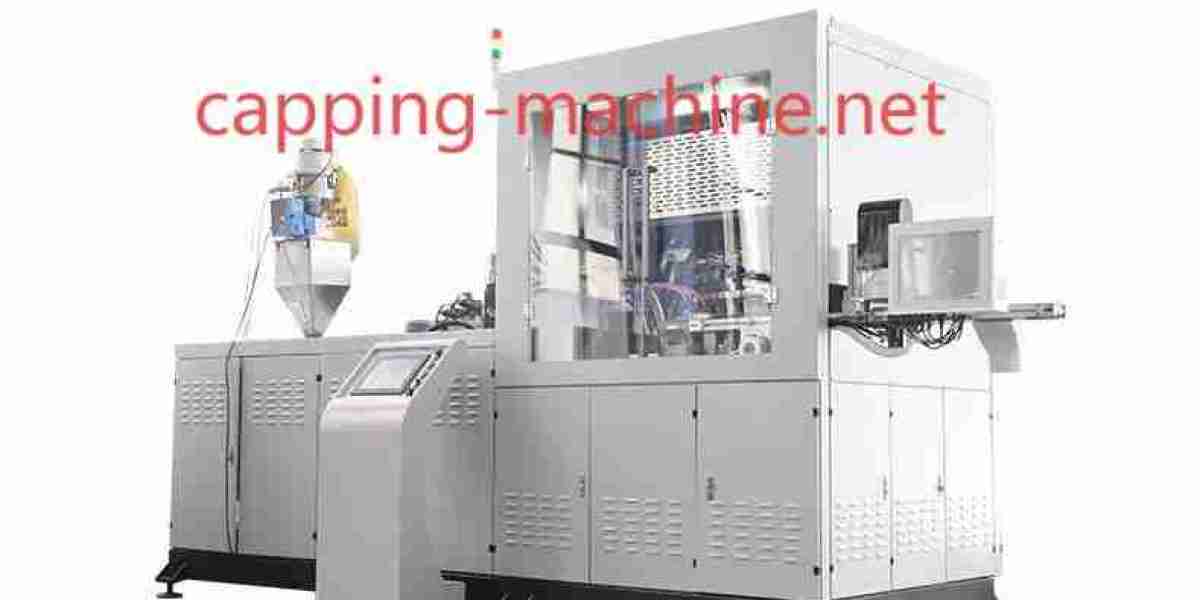

In high-intensity packaging environments where production lines operate for extended hours, consistent performance becomes a decisive factor, and under such conditions the Capping Machine must demonstrate reliability beyond basic functional requirements. Manufacturers increasingly prioritize equipment capable of sustaining stable output under continuous load without compromising sealing accuracy or operational safety.
Market demand for uninterrupted production is driven by rising order volumes and compressed delivery schedules. Downtime caused by equipment instability can disrupt entire packaging lines, leading to material waste and delayed shipments. As a result, performance reliability is no longer viewed as a secondary benefit but as a core requirement when selecting packaging machinery.
Mechanical stability plays a central role in ensuring consistent performance. Well-balanced structures reduce vibration during high-speed operation, helping maintain precise alignment between caps and containers. Stable mechanical behavior prevents gradual deviation over time, allowing equipment to deliver uniform results even during long production cycles. This consistency supports both product quality and downstream processing efficiency.
Precision control systems further enhance performance advantages. Accurate regulation of rotational force ensures caps are applied securely without deformation or excessive stress. By maintaining controlled motion throughout each cycle, equipment minimizes the risk of seal failure during transportation and storage. Reliable control accuracy also reduces the need for frequent manual adjustment, improving operational efficiency.
Continuous operation places significant demands on component durability. Materials selected for high-wear areas must withstand repeated motion and pressure without rapid degradation. Thoughtful engineering design extends service intervals and reduces maintenance frequency, allowing manufacturers to plan production schedules with greater confidence. Over time, durability contributes directly to lower total operating costs.
Performance reliability also affects workforce efficiency. Equipment that operates predictably simplifies operator training and reduces the likelihood of human error. Clear system feedback and intuitive interfaces allow operators to monitor performance trends and address minor issues before they escalate. This proactive approach supports smoother daily operation across multiple shifts.
In multi-line production facilities, consistent machine behavior enables standardized process management. When performance remains stable across different operating conditions, manufacturers can implement unified quality control standards. This consistency simplifies auditing procedures and strengthens compliance with internal and external quality requirements.
Taizhou Chuangzhen Machinery Manufacturing emphasizes reliability as a foundational design objective. By focusing on mechanical balance, precise control integration, and robust structural design, the company supports manufacturers seeking dependable equipment for demanding packaging environments. Its engineering philosophy reflects the understanding that performance stability under pressure is critical to modern production success.
As production demands intensify, manufacturers increasingly assess how a Capping Machine performs over time rather than evaluating short-term output alone. Equipment capable of sustaining accuracy and stability throughout prolonged operation becomes an asset that supports both productivity and quality assurance.Manufacturers looking for capping solutions designed to deliver reliable performance under continuous operation can review detailed product information at https://www.capping-machine.net/product .