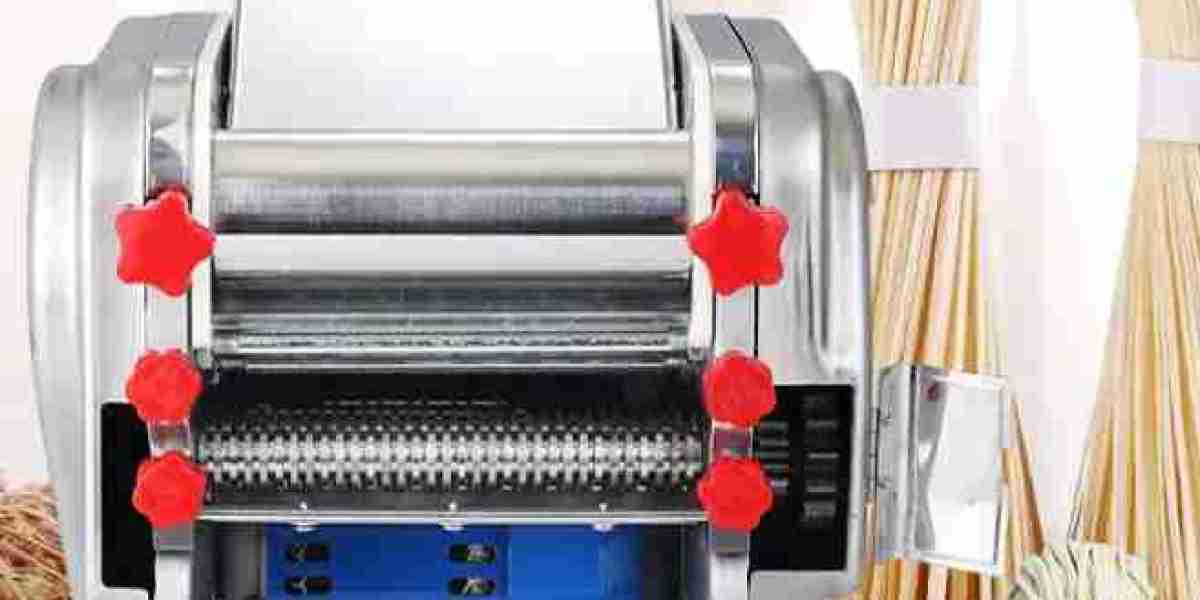

Creating fresh noodles at home has become increasingly accessible as equipment options expand to suit different cooking styles and kitchen configurations. A Noodle Making Machine Factory produces diverse designs, each addressing specific needs and preferences that vary considerably among users. Understanding these distinct styles helps match equipment capabilities to your actual cooking patterns and culinary ambitions.
Extrusion-based machines represent the automated approach where mixed dough gets pushed through shaped dies to create various noodle forms. These devices handle the entire process from mixing to cutting, requiring minimal manual intervention. Users simply add ingredients, select settings, and collect finished noodles. This convenience particularly appeals to busy households where speed and simplicity outweigh hands-on involvement. The range of included dies determines variety, with some models offering dozens of shapes from thin angel hair to thick udon.
Roller and cutter systems take a different approach, flattening dough into thin sheets before cutting them into strips. These machines often provide more control over final texture and thickness, appealing to cooks who enjoy participating actively in the process. Manual versions require hand cranking, offering tactile connection to traditional methods while reducing effort compared to rolling pins. Electric roller models automate the physical work while maintaining the gradual thinning process that many believe produces superior texture.
Attachment-based systems integrate with existing stand mixers, leveraging motors already present in many kitchens. These accessories typically include roller and cutter components that mount onto mixer power hubs. This approach maximizes equipment already owned while avoiding redundant motors and footprints. The trade-off involves slightly less specialized performance compared to dedicated machines, though results often satisfy home cooking standards admirably.
Manual pressing devices represent the simplest and most affordable category. These hand-operated tools force dough through dies using mechanical advantage from lever arms or screw mechanisms. While requiring more physical effort, they appeal to occasional users, small-space dwellers, or those preferring unplugged cooking. Their durability and simplicity mean minimal maintenance and essentially infinite lifespan with proper care.
Commercial-grade equipment designed for restaurant use features robust construction, larger capacities, and continuous operation capabilities. Home versions of these professional machines bring enhanced durability and performance to serious enthusiasts willing to invest substantially. The distinction between consumer and commercial grades affects longevity, repair options, and ability to handle frequent use.
Specialized machines target specific noodle traditions, optimized for particular dough formulations or regional styles. Ramen-specific devices accommodate the low-hydration, alkaline doughs that differ substantially from Italian pasta. Soba machines handle the delicate buckwheat mixtures requiring gentler processing. These specialized designs deliver authentic results that general-purpose equipment struggles to replicate.
Hybrid models combine features from multiple categories, offering extrusion and rolling capabilities in single units. This versatility suits adventurous cooks who regularly prepare diverse noodle types across different cuisines. The flexibility comes with increased complexity and typically higher costs, making sense primarily for households with varied preferences.
Compact travel or countertop versions prioritize space efficiency and portability. These scaled-down designs suit apartment living, recreational vehicle use, or taking to vacation homes. Reduced capacity and power represent acceptable compromises for users prioritizing footprint over production volume.
Smart-enabled machines incorporate programmable controls, recipe storage, and sometimes connectivity features. These technology integrations appeal to users comfortable with digital interfaces who appreciate guided workflows and reproducible settings. Traditional analog controls remain popular among those preferring mechanical simplicity and tactile feedback.
Choosing among these varied styles requires honest assessment of cooking frequency, space availability, budget parameters, and desired involvement level. No single design suits everyone, which explains the marketplace diversity. A Noodle Making Machine that perfectly serves one household might frustrate another with different priorities and constraints.
The evolution of noodle-making equipment reflects both technological advancement and recognition that cooks approach this tradition from multiple perspectives. Whether seeking complete automation, hands-on engagement, or specialized authenticity, current options accommodate remarkably diverse preferences. Those navigating these choices can review various styles and their specific characteristics at https://www.cnhaiou.com/product/ to identify equipment aligning with their unique combination of needs, space, and culinary interests.