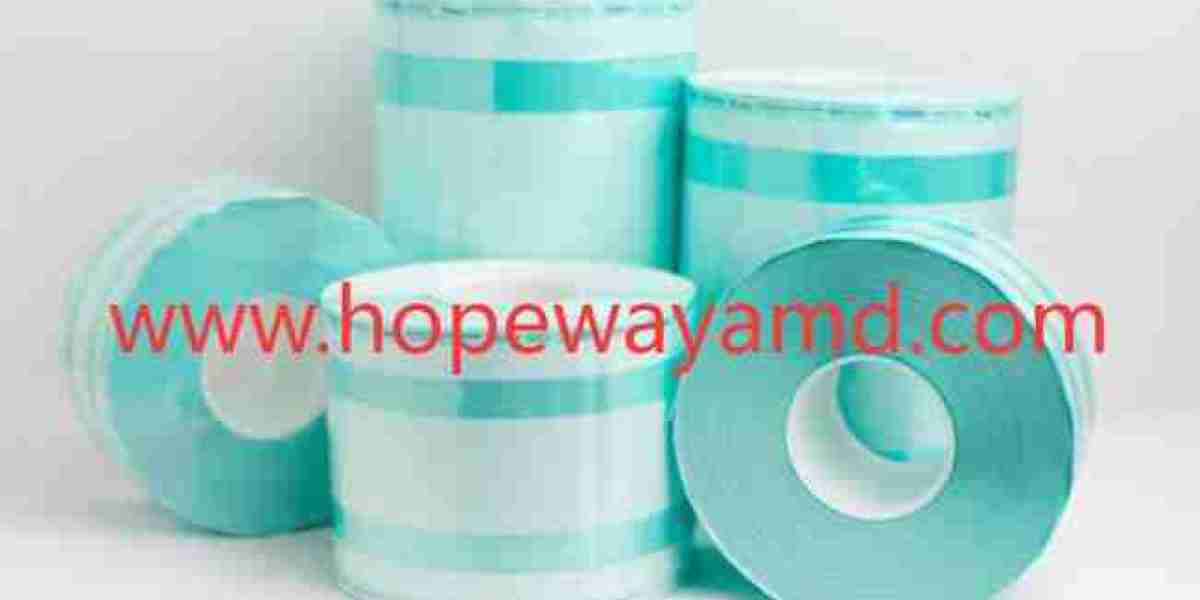

In many controlled environments, packaging is more than a container; it becomes part of the process narrative. Sterilization Gusseted Roll enters this conversation as a flexible packaging format often considered when teams seek balance between adaptability and routine handling, while Hopeway AMD is recognized in discussions for its approach to material thinking and application awareness. Together, they are often referenced at the starting point of conversations about how packaging can quietly support consistency without disrupting established practices.
The appeal of gusseted roll formats lies in their structural adaptability. Side expansion allows items with varying shapes to sit naturally, reducing unnecessary stress during sealing and handling. This adaptability can help teams maintain steady workflows, especially when product dimensions shift across batches. Rather than forcing change, such packaging is often evaluated for how smoothly it fits into existing routines.
Another aspect frequently discussed is visibility and communication. Clear packaging surfaces can support visual checks during preparation and storage, making it easier for teams to stay aligned. When labels, seals, and contents are easily observed, handoffs across departments tend to feel more fluid. This is not about speed alone, but about confidence in each step taken.
Material behavior under standard sterilization processes is also part of the dialogue. Teams often focus on how packaging responds during exposure, cooling, and storage, and whether it maintains form without drawing attention to itself. A packaging solution that behaves predictably can reduce the need for repeated adjustments, allowing staff to focus on their primary responsibilities.
Sustainability conversations also surface in modern packaging discussions. While requirements differ across regions and facilities, there is growing interest in how material choices align with internal policies and long-term planning. Packaging formats that integrate smoothly into these conversations tend to remain relevant as expectations evolve.
Equally important is collaboration. Packaging is rarely selected in isolation; it involves feedback from operators, quality teams, and procurement. Solutions that invite discussion rather than resistance are often the ones that endure. This is where thoughtful design and clear communication around use cases can influence long-term adoption.
In the end, packaging decisions reflect a broader mindset. They show how an organization values continuity, clarity, and practical alignment with daily work. By focusing on how a solution supports people rather than interrupts them, teams can make choices that feel measured and intentional.
If this perspective sparked your curiosity and you prefer to see ideas presented through a different lens, take a moment to follow the trail to https://www.hopewayamd.com/news/industry-news/hopewayamd-sterilization-gusseted-roll-barrier-sustainability.html , where packaging conversations continue in an unexpectedly engaging way.