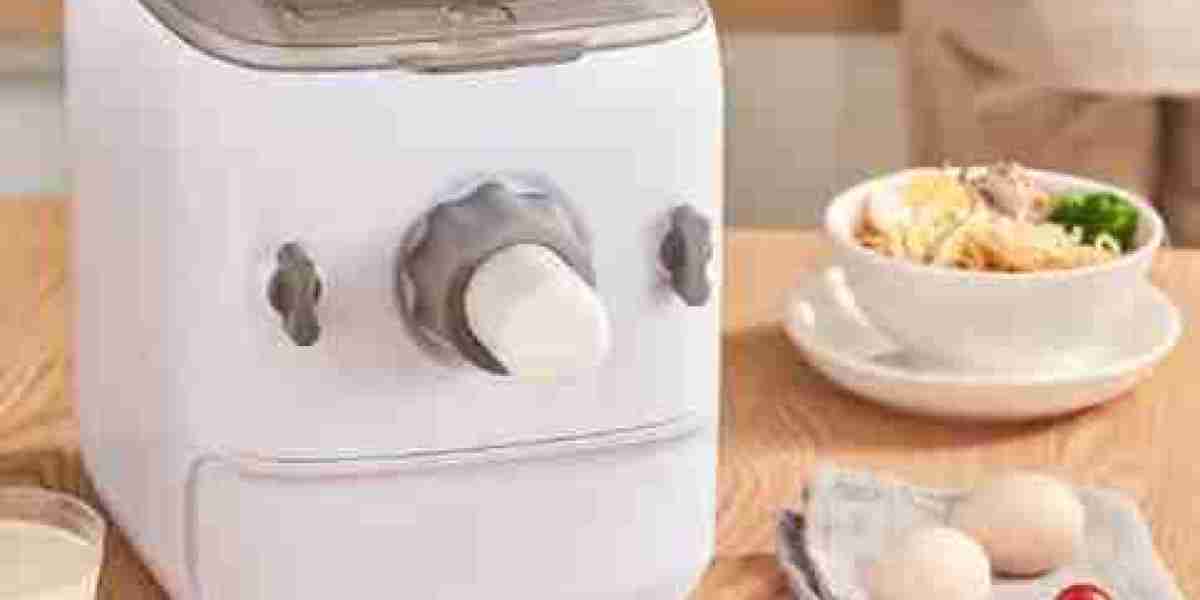

The transformation from flour and water into elastic, responsive dough has captivated bakers for centuries. While traditional methods demand physical effort and practiced technique, modern equipment changes this equation entirely. An Electric Dough Mixer Factory produces devices that handle the demanding work of kneading, allowing anyone to achieve professional results without the arm-aching labor that once seemed inseparable from bread making.
Beginning with proper ingredient measurement sets the foundation for success. Flour behaves differently depending on protein content, humidity, and freshness, so starting with room temperature ingredients helps everything combine more smoothly. Cold water can slow gluten development, while excessively warm liquids may affect yeast activity in bread recipes. Bringing components to similar temperatures creates ideal conditions for uniform mixing.
Loading the mixing bowl correctly influences how efficiently the machine works. Place dry ingredients first, creating a well in the center for liquids. This arrangement prevents flour from flying out during initial mixing while ensuring gradual incorporation. Avoid overloading beyond the manufacturer's recommended capacity, as this strains the motor and produces uneven results. Working within designed limits protects both equipment and dough quality.
Starting at low speed allows ingredients to combine without creating dusty clouds or splashing liquids beyond the bowl. This gentle beginning gives flour time to absorb moisture before more vigorous action begins. Rushing this initial phase often results in dry pockets or overly wet areas that require intervention. Patience during these opening moments pays dividends in final texture.
Recognizing when to increase speed requires observing dough behavior. Once ingredients form a shaggy mass that clings together, raising the speed initiates true kneading action. The dough hook pulls and stretches the mixture, developing gluten strands that create structure. This phase typically continues for several minutes, though exact duration varies by recipe and desired outcome.
Monitoring consistency helps determine when kneading reaches completion. Well-developed dough pulls away from bowl sides, appearing smooth and elastic rather than sticky or ragged. Pressing a finger into the surface should leave an impression that slowly springs back, indicating proper gluten formation. Over-kneading rarely occurs with home machines, but excessively long mixing can warm dough undesirably or create overly tight gluten networks in certain applications.
Understanding your Electric Dough Mixer capabilities helps match techniques to equipment. Planetary mixers, where the attachment rotates while also revolving around the bowl, provide thorough coverage ideal for heavier doughs. Spiral mixers, common in commercial settings, keep bowls stationary while the hook moves in a spiral pattern, generating less friction and heat. Knowing your machine's design informs speed choices and timing.
Adjusting for different dough types demonstrates the versatility of motorized kneading. Enriched doughs containing eggs, butter, or sugar benefit from extended mixing at moderate speeds to fully incorporate fats without overworking. Lean doughs with minimal ingredients tolerate more aggressive kneading. Whole grain recipes often require gentler handling and additional hydration time as bran particles absorb moisture gradually.
Scraping down bowl sides during mixing ensures complete ingredient incorporation. Flour or other components can accumulate in crevices beyond the hook's reach, creating dry spots in finished dough. Pausing briefly to redistribute these stragglers with a spatula produces more uniform results. This simple intervention takes seconds but meaningfully impacts consistency.
Ambient temperature affects mixing outcomes more than many bakers realize. Warm kitchens accelerate yeast activity and can cause dough to become overly soft during mixing. Conversely, cold environments slow everything down, potentially requiring longer mixing times. Awareness of these conditions allows for small adjustments that maintain control over the process.
Resting periods between mixing stages benefit certain recipes. Pizza dough often improves with a brief rest after initial mixing, allowing flour to hydrate fully before final kneading. This pause relaxes gluten, making the dough more extensible and easier to shape. Not all recipes require this, but understanding when rest helps distinguishes competent bakers from those simply following instructions mechanically.
Cleaning immediately after use prevents dried dough from hardening on attachments and bowl surfaces. Warm water loosens fresh dough residue easily, while delays create stubborn cleanup challenges. Detaching components for thorough washing ensures no buildup accumulates in joints or crevices where it could affect future performance or harbor bacteria.
Sound and vibration provide feedback about machine operation. Smooth, steady noise indicates proper function, while unusual grinding, clicking, or excessive shaking suggests problems requiring attention. Observing these cues helps catch issues early, before they escalate into failures or safety concerns.
Developing confidence with motorized kneading transforms baking from daunting project into approachable routine. The reliability of mechanical mixing removes variables that intimidate beginners, while the physical ease encourages frequent practice. This combination accelerates skill development and deepens appreciation for the craft.
Mastering these techniques unlocks creative possibilities across countless recipes. Whether preparing rustic country loaves, delicate brioche, or hearty bagels, an Electric Dough Mixer handles the demanding physical work while you focus on timing, flavor, and presentation. The partnership between baker and machine exemplifies how thoughtful tools enhance rather than replace human craft. Those ready to embrace this approach can review equipment options at https://www.cnhaiou.com/product/ to identify machines matching their baking aspirations and kitchen environment.