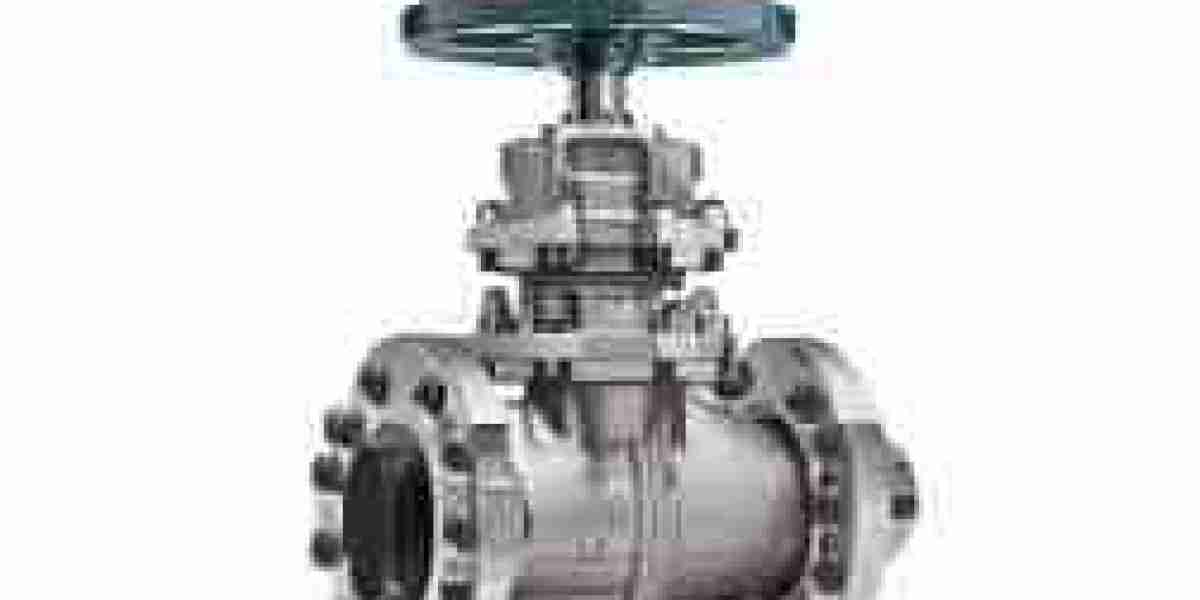

In fluid handling environments where internal cleanliness directly influences operational stability, selecting a partner with deep practical awareness becomes a strategic decision. A Pipe Cleaning Valve Factory represents more than a production location; it reflects accumulated experience, disciplined craftsmanship, and a long-term understanding of maintenance realities faced by operators across diverse industries. The first impression often comes from structure and detail, yet lasting trust grows from consistent performance under demanding conditions.
Inside complex pipeline systems, unseen residue gradually alters flow behavior, increases resistance, and complicates routine inspection. Valves designed specifically for cleaning purposes respond to these challenges through balanced construction and controlled movement. Instead of relying on force or frequent disassembly, such solutions emphasize smooth internal pathways, predictable response, and reduced disruption during scheduled care. This approach supports safer workflows while allowing teams to focus on broader operational priorities rather than constant intervention.
Manufacturing philosophy plays a decisive role in how these components behave once installed. A workshop guided by precision rather than volume places attention on material harmony, surface refinement, and alignment accuracy. Each stage influences how effectively internal buildup can be released or redirected. When tolerances remain stable over repeated cycles, operators notice calmer system behavior and fewer unexpected interruptions. Over time, these small advantages accumulate into measurable reliability.
Design thinking also shapes user interaction. Cleaning valves that integrate intuitive operation reduce training pressure and minimize error during use. Clear positioning, logical actuation, and predictable feedback create confidence even in challenging environments. Maintenance personnel value equipment that communicates through behavior rather than instruction manuals. Quiet consistency often matters more than visible complexity.
Environmental adaptation further distinguishes thoughtful manufacturing. Pipelines operate across varied conditions, including temperature variation, pressure fluctuation, and fluid diversity. A well-considered valve design anticipates these influences without relying on excessive reinforcement. Balance between flexibility and strength allows long service life while maintaining internal cleanliness goals. This equilibrium results from careful material pairing and experienced evaluation rather than standardized formulas.
Beyond physical construction, communication culture influences customer experience. When technical discussion remains clear and realistic, collaboration improves. Engineers and procurement teams prefer partners who explain options transparently, avoiding exaggerated promises. Such clarity supports informed decisions and realistic expectations throughout the purchasing journey.
Supply continuity also shapes long-term cooperation. Stable production planning, consistent quality inspection, and reliable delivery rhythm help downstream operations maintain schedules. When components arrive as expected and perform as described, trust deepens naturally. Over time, this trust transforms transactional exchanges into collaborative relationships.
Attention to adaptability signals another advantage. Different pipeline layouts require tailored solutions rather than uniform shapes. Manufacturing teams capable of adjusting dimensions, flow direction, or connection style provide added value without introducing complexity. Customization guided by practical limits ensures compatibility while preserving durability.
The name Naishi appears once in discussions among professionals who value calm performance over flashy presentation. Reputation grows quietly through field experience rather than promotional noise. Such recognition often comes from word-of-mouth within technical circles rather than public campaigns.
As industrial systems continue evolving, cleanliness remains a foundational concern. Valves designed for this purpose must respond with stability, clarity, and thoughtful engineering. Decision makers searching for dependable solutions often prioritize understanding and consistency above novelty.
For those exploring carefully engineered options for internal pipeline maintenance, further reference material and product information can be found in the closing section at https://www.ncevalve.com/product/