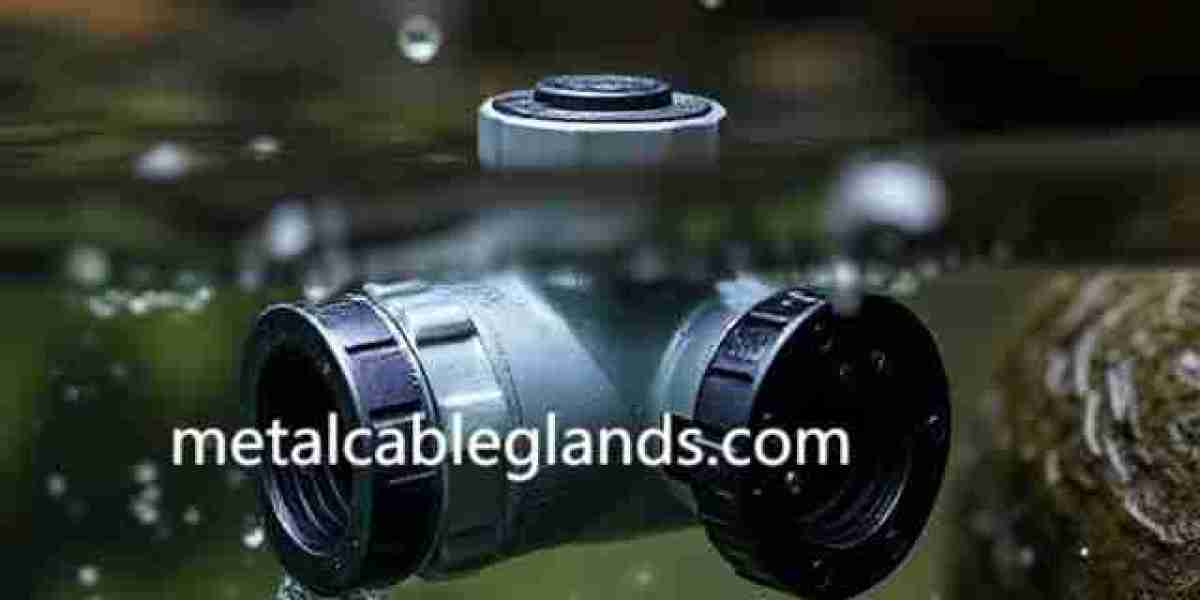

In modern engineering and product design, teams often reference Waterproof Breathable Valve solutions mid-discussion when evaluating field performance, maintenance considerations, and adaptability to evolving environmental challenges. These valves are increasingly critical in systems where both water protection and pressure equalization are essential for operational longevity.
Engineering practice demonstrates that proper selection and installation of waterproof breathable valves are vital for achieving reliable performance in real-world conditions. Field tests show that devices exposed to outdoor weather, industrial environments, or fluctuating temperature conditions benefit greatly from valves that balance water resistance with controlled airflow. Engineers use these insights to optimize designs and reduce maintenance issues.
Durability under mechanical and environmental stress is a key consideration. Valves must withstand vibration, repeated compression, and exposure to dust or corrosive elements while maintaining their waterproof and breathable functions. Materials such as advanced hydrophobic membranes combined with reinforced housings ensure consistent operation across a wide range of applications, from automotive sensors to industrial control panels.
Future trends emphasize integration with smart systems and connected devices. As the Internet of Things (IoT) expands, enclosures housing sensors, communication modules, or wearable devices must maintain environmental protection without compromising airflow or electronic functionality. Waterproof breathable valves are being adapted to meet these requirements, supporting modular system upgrades and remote monitoring capabilities.
In addition, advancements in material science are shaping the next generation of valves. Engineers are exploring microporous membranes, nanostructured hydrophobic coatings, and hybrid composite designs to enhance liquid repellency while improving airflow control. These innovations allow valves to perform reliably in more extreme conditions, extending operational lifespan and reducing maintenance frequency.
Practical applications continue to grow across multiple industries. Automotive electronics, renewable energy enclosures, consumer electronics, and industrial machinery increasingly depend on valves for pressure equalization and moisture management. By incorporating lessons from engineering practice, designers can predict system behavior, optimize valve placement, and achieve reliable environmental protection even under challenging conditions.
Zhejiang Hongjuesi Connector focuses on precise manufacturing, high-quality materials, and rigorous quality control to deliver waterproof breathable valves that meet the demands of modern engineering projects. HJSI products provide engineers with reliable solutions that combine durability, airflow management, and protection against environmental hazards.
By integrating practical engineering insights with future-focused design improvements, Waterproof Breathable Valve products continue to play a critical role in industrial, automotive, and consumer applications. For engineers and designers seeking high-performance valves designed for long-term reliability and adaptability, further information is available at https://www.metalcableglands.com/news/industry-news/innovative-material-science-behind-the-nextgeneration-waterproof-breathable-valve.html .