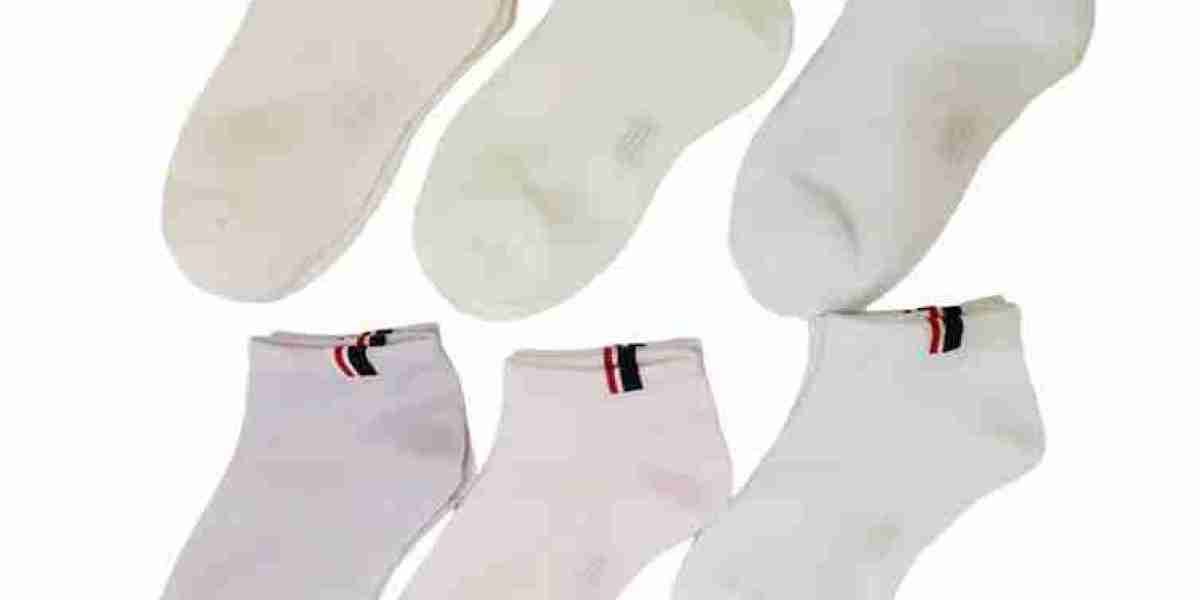

Kid Socks may look simple, but buyers know they raise many practical questions. Parents, retailers, and distributors all want answers that go beyond appearance. Comfort, fit, and repeat purchase potential often matter more than bright colors alone.
One of the first questions buyers ask is about fabric. Children move constantly, and their feet sweat more than adults'. Breathable materials like cotton or bamboo blends are often discussed because they feel softer on the skin and help reduce moisture buildup. Many Kid Socks Manufacturers also add a small amount of synthetic fiber to improve shape retention and reduce early wear. Buyers usually want a clear explanation of this balance, especially when planning long-term supply.
Sizing is another frequent concern. Kid Socks that are too tight may feel uncomfortable during long school days, while loose socks tend to bunch inside shoes. Manufacturers usually rely on shoe-size-based charts rather than age, since foot growth varies widely. Buyers often ask how these size ranges are tested and adjusted across different markets. Clear sizing logic helps retailers reduce returns and customer complaints.
Design raises a different set of questions. Many people assume patterns are only about looks, but buyers often see more value. Fun designs can help children feel involved in choosing their clothes, which makes daily routines smoother. From a business view, patterns also help parents match pairs after washing and notice wear more easily. Kid Socks Manufacturers frequently receive requests for designs that feel playful without being tied to short-lived trends.
Construction details matter more than many expect. Flat toe seams are a common topic because rough seams can irritate sensitive skin. Buyers usually want to know how seams are finished and whether quality checks are done before packing. This kind of information builds trust, especially in B2B discussions where repeat orders depend on stable quality.
Seasonal use is another practical angle. Thinner Kid Socks are often ordered for warmer months, while thicker soles are requested for cooler weather or indoor play. Buyers may ask whether yarn thickness or knitting density changes between product lines. Clear answers help them plan inventory without overstocking.
For importers and wholesalers, working with reliable Kid Socks Manufacturers is often about communication as much as production. Questions usually focus on consistency between batches, packaging options, and how feedback is handled after delivery. When manufacturers explain their process in plain language, buyers feel more confident introducing the product to their own customers.
Kid Socks succeed in the market when they address real daily needs. Buyers are not just purchasing socks; they are choosing products that fit into routines, growth stages, and expectations. Clear explanations, human language, and attention to detail often make the difference between a one-time order and a long-term partnership.