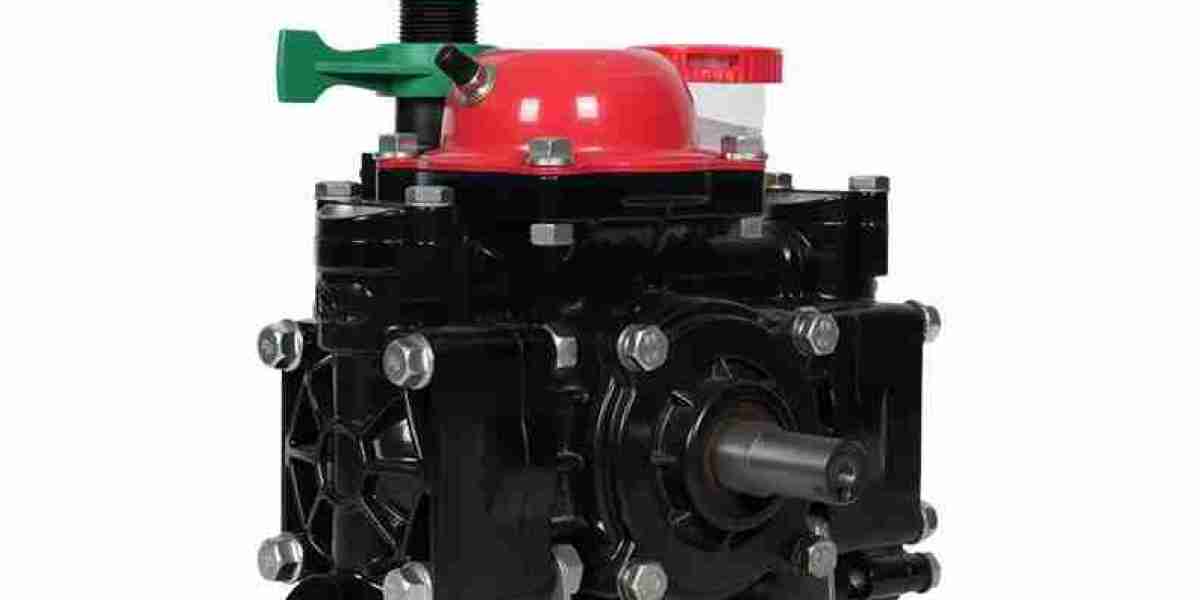

High-pressure diaphragm pumps for sprayers have become essential in modern agriculture. Farmers and operators increasingly rely on these pumps for their chemical spraying tasks because they offer reliable performance and adaptability. Understanding the benefits, maintenance needs, and selection criteria can help you get the most from your investment.
1. Why consider a High-Pressure Diaphragm Pump for Sprayers?
These pumps are designed for chemical compatibility, self-priming operation, and high-pressure delivery. Constructed from materials like polypropylene, EPDM, and PTFE, they handle fertilizers, herbicides, and insecticides without rapid wear. A well-chosen High-Pressure Diaphragm Pump for Sprayers can operate multiple nozzles simultaneously, ensuring consistent spray patterns across a wide boom.
2. How to check chemical compatibility?
Always verify the diaphragm and housing materials against the chemicals you plan to spray. EPDM diaphragms work well for general fertilizers and herbicides, while PTFE provides extra resistance for stronger chemicals. Choosing the right pump material prevents premature failure and costly downtime. High Pressure Diaphragm Pump For Sprayers manufacturers often provide charts or recommendations to help match pumps to your application.
3. Flow rate and pressure matter
Calculate your sprayer's total nozzle output in gallons per minute (GPM) or liters per minute (LPM) based on boom width, speed, and target application rate. Your pump must maintain proper pressure, typically between 40 and 150 PSI, for uniform droplet size. Selecting a High-Pressure Diaphragm Pump for Sprayers with slightly higher ratings than required accommodates wear and ensures consistent operation.
4. Maintenance and troubleshooting tips
Even durable pumps need attention. Check diaphragms, valves, and piston seals regularly. Running dry for short periods is usually safe, but long dry runs or clogged suction lines can accelerate wear. If the pump overheats, inspect hydraulic fluid, oil relief valves, and internal friction points. Most High-Pressure Diaphragm Pump For Sprayers issues are easy to fix with routine inspection and simple part replacements.
5. Choosing a pump from reliable manufacturers
High Pressure Diaphragm Pump For Sprayers manufacturers offer guidance on selecting the right model for your farm or operation. Look for detailed chemical compatibility charts, replacement part availability, and service documentation. Working with an established manufacturer ensures support and reduces the risk of downtime.
A High-Pressure Diaphragm Pump for Sprayers isn't just a piece of equipment—it's a critical tool for consistent, efficient, and safe chemical application. By understanding your flow needs, chemical compatibility, and proper maintenance, you can achieve reliable performance season after season. Manufacturers can provide specifications and advice to help you select the model that matches your sprayer setup.