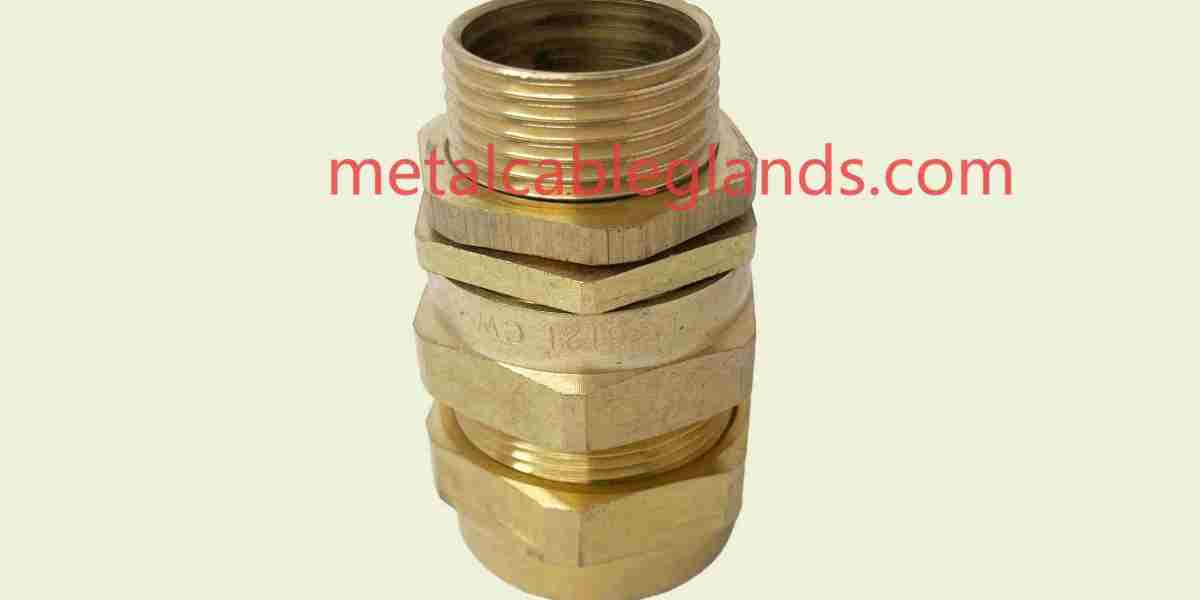

Electrical systems often operate in environments that change over time, and selecting components that can adapt is essential, which is why solutions such as Brass Cable Gland designs are commonly incorporated into projects where environmental variability and operational consistency must coexist. Rather than focusing on extreme resistance, brass-based connectors are valued for their ability to maintain stable performance across everyday environmental influences encountered in industrial and commercial settings.
Material Behavior in Variable Conditions
Brass demonstrates a balanced response to environmental exposure, allowing it to maintain structural stability without becoming brittle or overly rigid. In cable gland applications, this balanced behavior supports reliable enclosure interfaces when systems experience routine environmental fluctuations. Brass does not rely on coatings or treatments to perform consistently, which helps preserve its functional integrity throughout long service cycles.
This inherent material stability allows brass cable glands to remain dimensionally consistent, supporting proper engagement with enclosure openings and internal components. Manufacturers such as Zhejiang Hongjuesi Connector Co., Ltd. focus on material control to ensure brass components perform predictably under varied operating conditions.
Resistance to Environmental Interaction
Cable glands frequently encounter moisture, airborne particles, and industrial residues. Brass naturally resists surface degradation, helping maintain a clean and stable interface between the cable gland and enclosure. This resistance supports enclosure integrity by reducing the likelihood of surface deterioration that could affect long-term performance.
The stable surface behavior of brass also supports consistent sealing interaction. When sealing elements are housed within a brass body, they remain properly supported, allowing them to function as intended even when external conditions fluctuate. This contributes to steady performance without requiring ongoing adjustment.
Vibration and Mechanical Influence
In many applications, environmental influence is not limited to climate or exposure but includes mechanical movement and vibration. Brass cable glands provide sufficient mass and rigidity to help dampen minor vibrations, supporting cable stability at the enclosure entry point. This reduces the transmission of mechanical stress into internal wiring systems.
By maintaining a secure cable interface, brass-based designs help prevent gradual loosening or misalignment caused by repeated movement. This stability is particularly valuable in installations where equipment operates continuously or experiences routine handling.
Thermal Interaction and Structural Consistency
Environmental adaptability also involves how materials respond to temperature variation. Brass maintains a stable form across typical operating ranges, allowing cable glands to remain properly seated within enclosures. This stability helps preserve sealing alignment and mechanical engagement over time.
Rather than reacting abruptly to temperature changes, brass responds gradually, which supports predictable performance behavior. Zhejiang Hongjuesi Connector Co., Ltd. designs its brass cable gland solutions with this material predictability in mind, aligning component behavior with real-world operating environments.
Performance Reliability Over Time
Environmental exposure is cumulative, making long-term performance stability an important consideration. Brass cable glands support extended use by maintaining consistent mechanical and functional behavior without frequent intervention. This reliability contributes to reduced maintenance requirements and supports uninterrupted system operation.
Performance stability also supports system planning, allowing engineers and maintenance teams to rely on consistent component behavior throughout the lifecycle of the installation. Brass-based designs fit well within systems that prioritize steady operation over constant adjustment.
Adaptability Across Installation Environments
Different installation environments impose different environmental demands. Brass cable glands adapt effectively across indoor facilities, semi-exposed infrastructure, and controlled industrial spaces. Their performance remains consistent without requiring application-specific modifications, supporting standardized component selection across multiple projects.
This adaptability simplifies inventory management and installation planning, particularly for manufacturers and system integrators working across varied industries. Zhejiang Hongjuesi Connector Co., Ltd. continues to support adaptable connector solutions that align material behavior with practical application needs.
Environmental Confidence Through Material Selection
Environmental adaptability is not about resisting every extreme but about maintaining reliable performance across realistic conditions. Brass cable glands achieve this by offering stable material behavior, consistent sealing support, and predictable mechanical interaction. When incorporated into well-designed electrical systems, Brass Cable Gland solutions contribute to dependable operation without adding unnecessary complexity.For additional information on brass cable gland products and connector solutions, please visit https://www.metalcableglands.com/product .