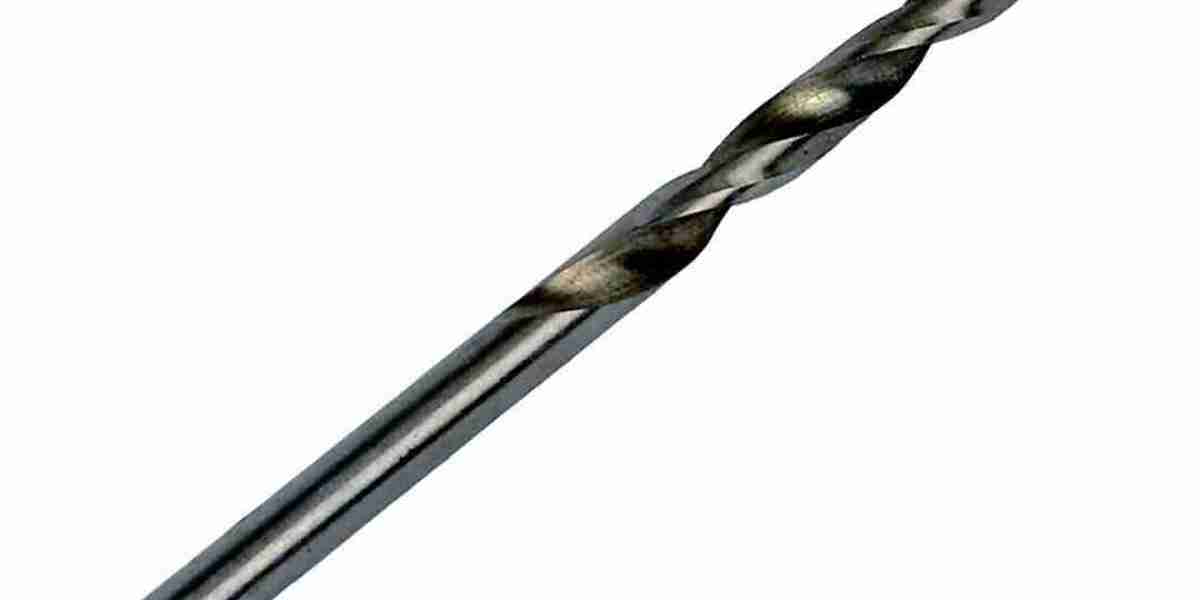

In today's fabrication and maintenance environments, the Fangda HSS Twist Drill Bit remains a widely recognized tool type, and fangda-tools positions its offering around stability, adaptability, and consistent workshop performance. Rather than focusing on claims, the product narrative emphasizes how thoughtful design and material selection support everyday drilling requirements across varied working conditions.
Drilling tasks often involve shifting materials, changing work rhythms, and differing operator expectations. Within this context, a twist drill bit is expected to provide predictable engagement with the work surface, balanced chip evacuation, and steady rotation. The structural form, combined with heat-treated steel composition, supports controlled cutting behavior while maintaining shape during extended use. This balance allows operators to concentrate on accuracy and process flow rather than frequent tool changes.
One notable aspect of this drill bit category is its adaptability. It is commonly applied in metalworking, light construction, repair operations, and general manufacturing support. Whether used in bench setups or mobile tools, the design supports a smooth start and a controlled drilling path. This contributes to cleaner openings and reduces the likelihood of surface damage, which is especially important when appearance or fit matters in downstream assembly.
From an operational perspective, ease of handling is another consideration. A well-formed shank and consistent flute geometry help maintain alignment during rotation. This can be beneficial for both experienced technicians and those newer to workshop tasks, as it reduces the learning curve while encouraging safe handling practices. Compatibility with common drilling equipment further supports its role as a flexible option within tool inventories.
Durability is often discussed in relation to working efficiency rather than claims of endurance. A drill bit that maintains cutting behavior over repeated tasks helps streamline workflows and minimizes interruptions. Regular maintenance, such as proper cooling and appropriate speed selection, can further support steady performance. Used correctly, the tool integrates into routine operations without demanding special procedures.
Equally important is responsible usage. Selecting the appropriate bit for the material, securing the workpiece, and maintaining consistent pressure all contribute to effective results. These practices not only support tool longevity but also enhance overall job quality. In this sense, the drill bit functions as part of a broader system where technique and preparation matter as much as the tool itself.
As industries continue to value reliability and process clarity, products that focus on practical function and user alignment remain relevant. This drill bit category reflects those priorities by supporting routine tasks with a straightforward, application-focused approach.
To see how such practical thinking is translated into real-world tooling solutions, take a moment to visit https://www.fangda-tools.com/news/industry-news/everything-you-need-to-know-about-hss-twist-drill-bit.html and explore perspectives that may align with your next project.