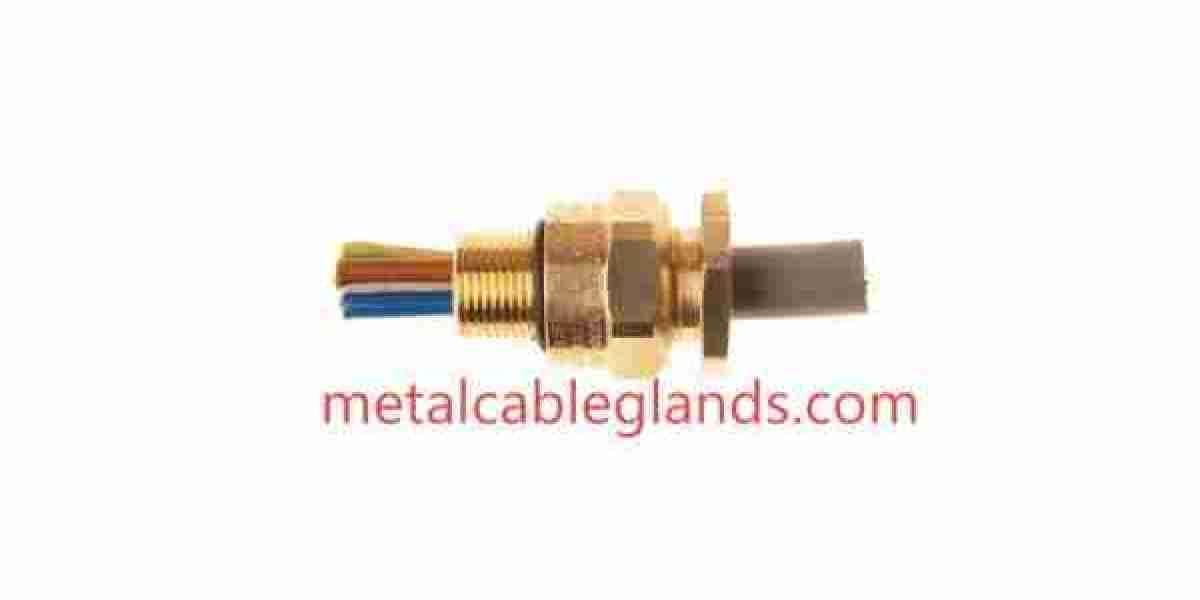

In structured electrical installations, component functionality determines system reliability, and when installers select solutions such as Brass Cable Gland designs, they are often prioritizing functional balance, operational stability, and long-term usability within cable entry points. Rather than acting as a passive connector, a brass-based cable interface plays an active role in organizing, securing, and protecting conductors as part of a complete electrical enclosure system.
Cable Retention and Mechanical Stability
One of the fundamental functions of a cable gland is to secure cables firmly at the enclosure interface. Brass construction supports this role by providing a rigid and dimensionally stable body that resists deformation during installation and use. This stability ensures that cables remain positioned as intended, minimizing movement that could otherwise introduce stress at termination points inside the enclosure.
Consistent retention is particularly important in systems where vibration or routine mechanical interaction is present. Brass offers sufficient structural firmness to maintain grip without excessive tightening, supporting both cable protection and installation consistency. This functional reliability helps preserve internal wiring arrangements and reduces the likelihood of unintended cable displacement over time.
Sealing Support and Enclosure Integrity
Beyond retention, cable glands contribute significantly to maintaining enclosure integrity. Brass bodies provide a solid housing for sealing components, allowing them to function effectively without distortion. When sealing elements are properly supported, they help prevent external contaminants from entering the enclosure, supporting operational cleanliness and electrical stability.
The functional design of brass cable glands allows sealing systems to remain consistently engaged with both the cable and enclosure surface. This contributes to predictable sealing behavior across different installation environments. Manufacturers such as Zhejiang Hongjuesi Connector Co., Ltd. emphasize structural precision in brass components to ensure that sealing functions are supported by a stable metal framework.
Electrical Continuity and Grounding Function
In many electrical systems, grounding continuity is an essential functional requirement. Brass, as a conductive material, integrates naturally into grounding strategies without requiring additional adaptations. This allows cable glands to contribute to system grounding paths where appropriate, supporting overall electrical safety and operational stability.
The conductive nature of brass enables consistent electrical contact between the gland and enclosure, helping maintain continuity across connected components. This functional aspect is especially relevant in installations where grounding reliability is part of regulatory or operational expectations, reinforcing the role of the cable gland as an active system component rather than a purely mechanical fitting.
Performance Behavior Under Operational Stress
Functional performance must remain stable under routine operational stress, including cable movement, enclosure access, and environmental exposure. Brass cable glands demonstrate predictable behavior under these conditions, maintaining their functional roles without requiring frequent adjustment. This stability supports consistent system operation and reduces maintenance intervention.
Brass construction also supports balanced load distribution across the gland body, helping manage mechanical forces introduced during cable routing or enclosure handling. This contributes to long-term functional consistency and supports the integrity of both the cable and enclosure interface.
Installation Functionality and Practical Handling
Functional effectiveness begins at installation. Brass cable glands are valued for their predictable handling characteristics, which support accurate alignment and controlled tightening. This allows installers to achieve consistent results without excessive force, reducing the risk of installation-related issues that could affect performance.
The tactile feedback provided by brass during installation supports confident engagement between components. Zhejiang Hongjuesi Connector Co., Ltd. aligns its brass cable gland designs with practical installation needs, ensuring that functional performance is supported from initial assembly through ongoing operation.
Functional Adaptability Across Applications
Different industries impose different functional demands on cable management components. Brass cable glands adapt well to varied applications because their core functions remain stable across changing use scenarios. Whether supporting fixed installations or systems that undergo periodic modification, brass-based designs maintain their functional roles without introducing complexity.
This adaptability makes brass cable glands suitable for diverse electrical environments, from industrial control systems to commercial infrastructure. The consistent functional performance of these components supports system designers who require dependable solutions that integrate smoothly into broader electrical architectures.
Functional Confidence Through Material Choice
Choosing brass as a cable gland material reflects a focus on functional balance rather than specialization. By supporting retention, sealing, grounding, and installation efficiency within a single component, brass cable glands contribute to overall system confidence. Zhejiang Hongjuesi Connector Co., Ltd. continues to refine functional design approaches that align brass material behavior with real-world electrical system needs.For further details on brass-based cable gland solutions and related connector offerings, please visit https://www.metalcableglands.com/product .