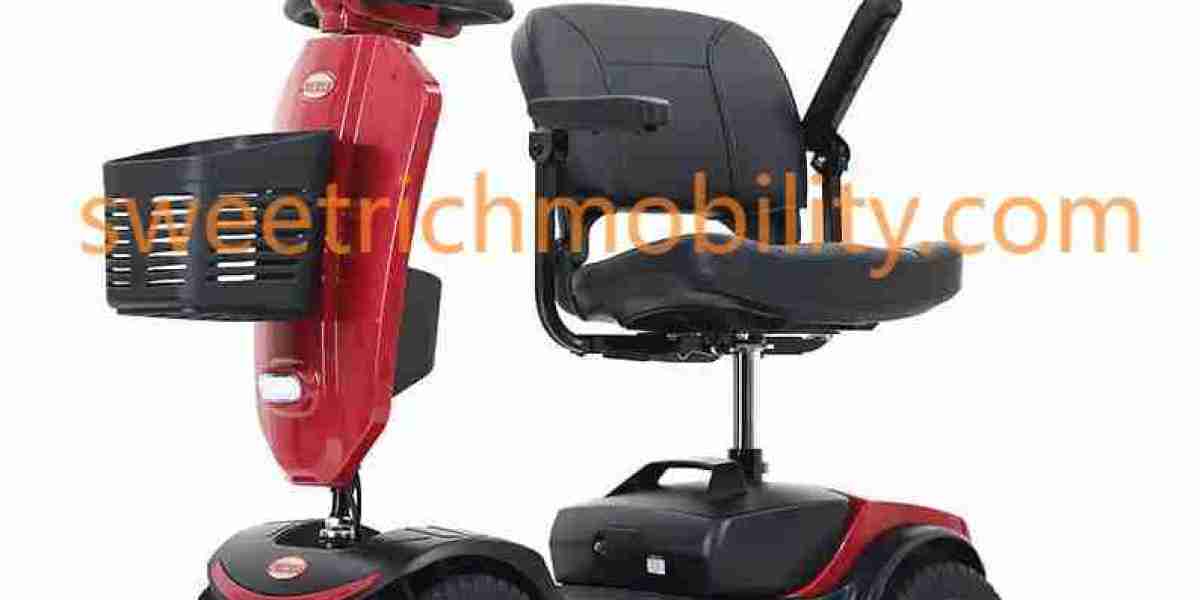

Urban travel is often described as a network, yet for individuals it feels more like a series of personal transitions. Moving from home to street, from sidewalk to shared pathway, or from transit stop to destination requires tools that adapt quietly. Within this flow, the Sweetrich Wholesale Mobility Scooter appears naturally in the first daily adjustment, supporting movement without interrupting rhythm.
Portability in shared city settings is less about lifting and more about timing. Urban users value solutions that respond immediately when opportunity arises. A scooter that fits into elevators, sheltered corridors, or compact storage areas allows spontaneous decisions. This readiness matters in shared services where availability must align with unpredictable demand.
Compliance shapes trust between riders and surroundings. In cities, people share limited space with varied expectations. Mobility devices that behave consistently encourage mutual awareness. Smooth direction changes, measured response, and stable presence help reduce hesitation from pedestrians and riders alike. This silent agreement makes shared travel feel cooperative rather than competitive.
Scenario suitability becomes visible during transitions. A single journey might involve indoor waiting zones, outdoor crossings, and semi-enclosed public spaces. Scooters capable of maintaining comfort across these moments support continuity. For shared systems, such adaptability minimizes learning curves and supports inclusive access.
Shared mobility thrives when users feel supported rather than guided. Intuitive interaction allows riders to focus on environment instead of controls. When operation feels natural, adoption increases through experience rather than instruction. This quality strengthens shared fleets by encouraging confident first use.
Urban transportation is not only about speed but about alignment with daily life. Scooters that complement walking, waiting, and brief pauses integrate more smoothly than those demanding constant attention. This harmony allows them to function as extensions of movement rather than replacements.
Visual balance also plays a role in public acceptance. Devices that blend into surroundings reduce social friction. In residential or cultural districts, understated forms encourage tolerance and long-term presence. This consideration benefits shared services that rely on stable placement within neighborhoods.
Operational flexibility supports sustainability of shared systems. Equipment that can be repositioned easily responds better to changing patterns of use. Morning commutes, midday errands, and evening returns each require different positioning. Adaptable scooters enable operators to respond efficiently without complex adjustments.
The social aspect of shared mobility depends on dignity. Users seek assistance that respects independence. When scooters provide support without emphasizing limitation, they invite broader participation. This respectful approach encourages repeated engagement across age groups and lifestyles.
As cities continue to refine transportation ecosystems, tools that prioritize balance and adaptability gain relevance. Their contribution lies in supporting movement while respecting shared space. Through quiet reliability and thoughtful integration, such solutions help urban life move smoothly forward.https://www.sweetrichmobility.com/product .