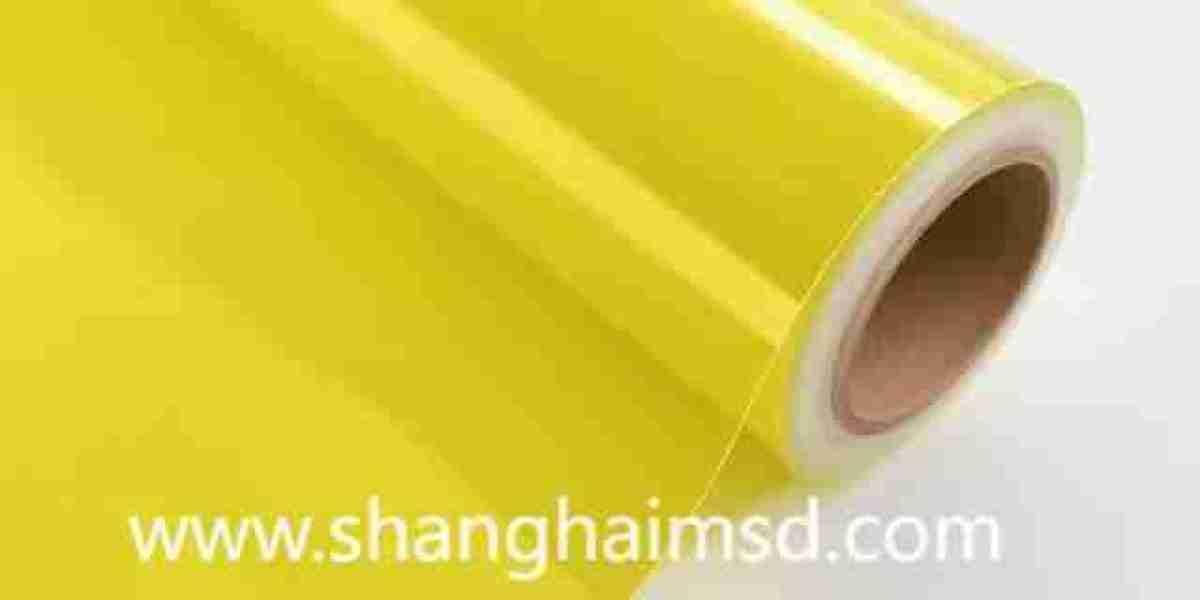

In the modern manufacturing landscape, versatile and durable materials are critical for innovation, and TPU Compound Film has become an essential solution for many industries. Its unique combination of flexibility, strength, and chemical resistance makes it ideal for applications ranging from medical devices to industrial protective components, providing a performance edge over traditional polymers.
The structural foundation of this material lies in its thermoplastic polyurethane base, which features alternating soft and hard segments at the molecular level. This configuration enables the film to stretch and rebound repeatedly without permanent deformation. When compounded with additional layers, the resulting laminate exhibits enhanced tear strength, puncture resistance, and dimensional stability, which are crucial for products subjected to frequent mechanical stress or environmental challenges.
Manufacturing these laminates requires precise processing. The base polymer is typically melted and combined with reinforcing layers or functional coatings using controlled temperature and pressure. This ensures consistent bonding and uniform thickness throughout the film. The lamination process allows manufacturers to customize the final material properties, optimizing for elasticity, surface finish, or barrier performance. Such versatility makes the material suitable for both consumer and industrial products, where tailored performance is often essential.
One of the material’s most notable attributes is its adaptability in fabrication. TPU-based films can be joined using heat, ultrasonic, or high-frequency welding, producing strong and seamless bonds without the need for adhesives or solvents. This makes them particularly suitable for applications requiring airtight or watertight seals, such as protective covers, inflatable structures, and containment products. The film also responds well to cutting, printing, and embossing, enabling intricate designs without compromising structural integrity.
The practical applications of these laminates span a wide range of sectors. In healthcare, the film’s chemical resistance and smooth surface make it perfect for protective enclosures, equipment covers, and hygiene-sensitive components. Industrial applications benefit from its durability, abrasion resistance, and ability to withstand oils and mechanical wear, making it suitable for protective linings, flexible hoses, and vibration-dampening layers. For outdoor and recreational products, the film resists UV light, moisture, and repeated folding, ensuring longevity in tents, inflatable devices, and other high-performance equipment.
Quality assurance and testing are critical to confirm that the film meets the demanding requirements of these varied applications. Mechanical tests such as tensile strength, elongation, and tear resistance provide insight into how the material behaves under load. Environmental evaluations, including temperature cycling, aging, and UV exposure, simulate real-world conditions and ensure long-term reliability. Hydrostatic and leak tests validate the integrity of seals in inflatable or fluid-containing components, while chemical resistance assessments guarantee performance when in contact with oils, solvents, or cleaning agents.
Another advantage of these polymer laminates is their contribution to sustainable manufacturing practices. The ability to bond layers without solvents reduces chemical waste, and the extended service life of the material decreases the need for frequent replacements. This combination of performance and durability provides both economic and environmental benefits, making it a preferred choice across industries that prioritize efficiency and sustainability.
Shanghai MSD International Trade offers expertise in selecting and supplying high-quality TPU laminates, focusing on consistency, tailored performance, and ease of integration into manufacturing processes. Their solutions help businesses leverage the full potential of flexible, high-performance films, ensuring that final products meet stringent functional and regulatory requirements.For detailed information on material composition, processing methods, and application possibilities of TPU-based laminates, visit Shanghai MSD at https://www.shanghaimsd.com/news/the-composition-and-versatility-of-tpu-compound-film.html .