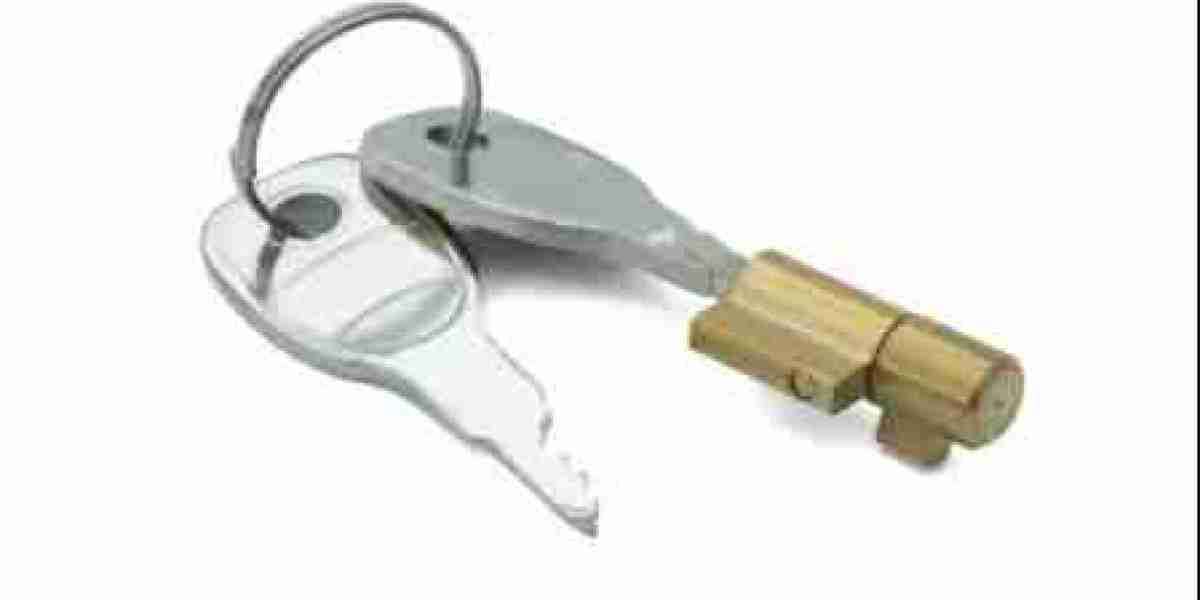

Custom lock development often begins when a standard cylinder cannot meet the installation requirements. A Custom Lock Cylinder Manufacturer needs enough technical information to determine how the component will fit the door or housing and interact with the locking mechanism. A drawing can define a new design, while a physical sample can provide a reference for replacement projects.
The first step is to clarify the geometry. Relevant details include the cylinder's overall dimensions, mounting method, keyway, cam position, and available clearance around the lock. If the cylinder is intended for a freezer door, trailer compartment, electrical cabinet, or other specialized enclosure, the surrounding structure may impose requirements that are not obvious from the lock alone. Reviewing these details before production helps identify potential fit or operating problems.
Round-hole lock cylinders are one example of a specialized format. Unlike common profile cylinders, these use a round body designed for a particular opening and retention arrangement. Threading, body diameter, cylinder length, and cam movement may all need to correspond with the equipment's locking structure. A drawing should therefore show both the cylinder and its installation interface wherever possible.
Material and finish are additional design decisions. Brass is commonly used for mechanical lock components because it can be machined into detailed shapes and finished in different ways. Depending on the product requirements, options may include natural brass or copper-colored finishes, brushed nickel, black coatings, or other surface treatments. Buyers should distinguish the base material from the surface finish in technical documents, since color alone does not identify the material or manufacturing process.
Order quantity and tooling requirements should be discussed alongside the design. Some projects need a limited batch for testing or initial installation, while others may develop into repeat orders. The quantity can affect how tooling costs, setup work, sample approval, and production planning are handled. Before confirming an order, buyers should establish whether the quoted design uses existing tooling or requires new tooling, and whether the agreed specifications will remain the reference for subsequent batches.
Inspection criteria also need to be defined. For a custom cylinder, these may include dimensional checks, key operation, cam movement, finish consistency, and compatibility with the intended lock body. Where inspection records or pre-shipment checks are required, the acceptance criteria should be agreed upon before production rather than left open to interpretation.
A Custom Lock Cylinder Manufacturer is therefore best assessed through the clarity of its technical review and the process used to manage design changes. Complete drawings, approved samples, documented dimensions, and agreed inspection requirements give both parties a consistent reference. This makes it easier to evaluate specialized lock designs and maintain consistency when an initial order is followed by repeat production.