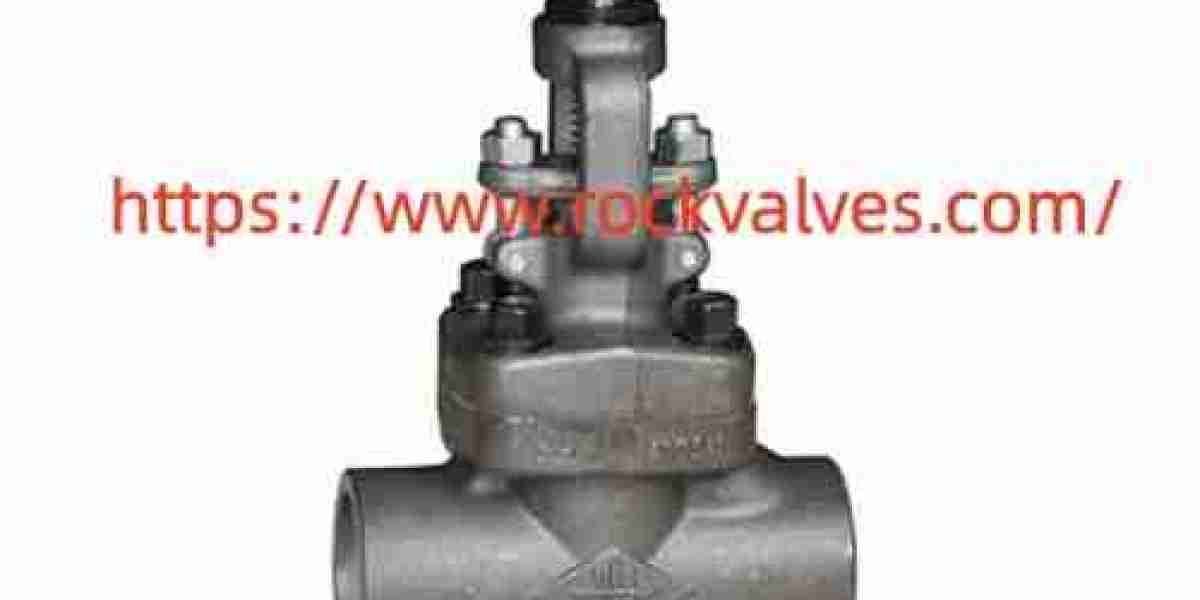

Cast Steel Globe Valve selection for high pressure systems involves several technical considerations that directly affect pipeline operation, maintenance planning, and equipment compatibility. Industrial buyers need to evaluate pressure ratings, material properties, sealing arrangements, flow requirements, and manufacturing quality before confirming an order. A suitable configuration should correspond to the actual service conditions rather than relying on general product descriptions or nominal dimensions alone.
Pressure and temperature ratings deserve careful attention during the specification process. Industrial systems may transport steam, hot water, oil, or other process fluids under changing operating conditions. As temperature increases, the allowable working pressure of a material or component may decrease, depending on its design and applicable standards. Buyers should therefore check the relevant pressure and temperature tables and confirm that the proposed configuration meets the project requirements. They should also consider pressure fluctuations, startup conditions, and foreseeable operating changes when reviewing the equipment specification.
Material compatibility is another factor that influences long term performance. Carbon steel is commonly used in industrial applications where its mechanical properties and service conditions are suitable. Alloy steel may be considered for certain elevated temperature environments, while stainless steel can be appropriate for applications requiring particular corrosion resistance. The final selection depends on the process medium, temperature range, pressure conditions, and applicable engineering requirements. Buyers should review the materials specified for the body, bonnet, stem, disc, and seating surfaces. Material certificates and traceability documentation can help verify that the delivered components match the approved order.
Sealing arrangements should also receive attention before purchasing. The seat and disc influence internal shutoff performance, while stem packing helps control leakage around the moving stem. Bonnet gaskets and bolted connections contribute to the integrity of the pressure boundary. These components must be suitable for the intended medium and operating conditions. Buyers can ask manufacturers about available sealing materials, inspection procedures, and applicable leakage acceptance criteria. Discussing these requirements before production helps clarify expectations and makes it easier to compare technical proposals from different suppliers.
Flow characteristics can influence both valve sizing and operating efficiency. Globe valves are often selected for applications that require flow adjustment, but throttling can create pressure losses and expose internal components to wear. An appropriate configuration should account for the required flow rate, fluid density, viscosity, upstream pressure, and downstream pressure. Engineers should also consider whether the system operates continuously or experiences frequent changes in demand. Incorrect sizing may lead to unnecessary pressure drop, unstable control, or maintenance concerns. Sharing process data with the manufacturer can help establish the requirements for the intended service.
Connection standards and installation details should be confirmed against the pipeline drawings. Flanged connections may be suitable for installations requiring convenient removal, while welded connections may be specified for particular piping arrangements. Buyers should verify nominal size, pressure class, face to face dimensions, flange specifications, and end connection requirements. Available installation space also matters. Sufficient clearance around handwheels, actuators, and service points can make operation and future maintenance more convenient. Checking these details before delivery helps reduce avoidable modifications during installation.
Manufacturing quality and inspection documentation provide additional information for evaluating a supplier. Depending on the project specification, relevant checks may include casting examination, dimensional verification, material identification, and pressure testing. Buyers should clarify which inspection standards apply and what records will accompany the shipment. Drawings, test reports, material certificates, and operating instructions can support receiving inspections and future maintenance activities. For projects with formal quality requirements, the inspection plan should be agreed upon before production begins so that both parties understand the acceptance criteria.
Maintenance planning is equally important when evaluating equipment for demanding service. Packing condition, seating surfaces, operating mechanisms, and bolted connections may require inspection according to service conditions and manufacturer recommendations. Procurement teams should ask about replacement parts, servicing procedures, and the documentation available to maintenance personnel. Understanding these requirements in advance can help facilities plan routine inspections, manage spare parts, and estimate maintenance resources throughout the equipment lifecycle.
When comparing suppliers, buyers should evaluate technical compliance, manufacturing capability, inspection arrangements, communication, and delivery requirements together. Rockv provides industrial valve product options for buyers assessing different pipeline applications. Before placing an order, prepare a clear specification covering pressure and temperature conditions, fluid characteristics, connection dimensions, material requirements, and testing documentation. You can review available products and discuss suitable configurations by visiting https://www.rockvalves.com/product/ as part of your industrial sourcing process.