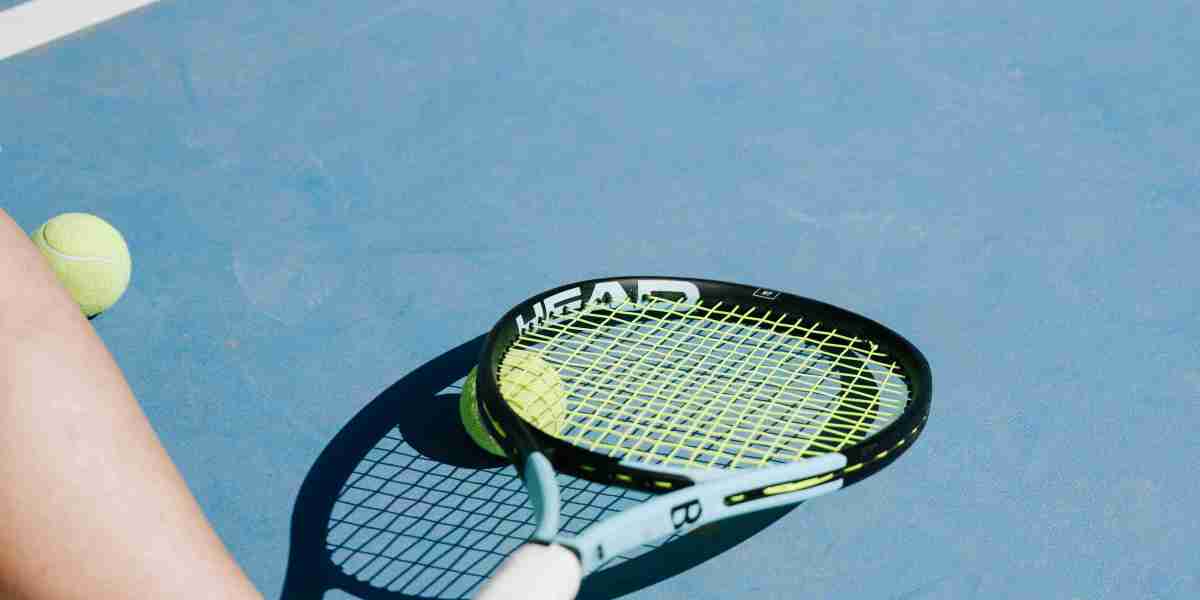

The tennis market brings together sports equipment, athletic apparel, coaching, recreational facilities, professional competitions, and related consumer services. Its development is influenced by changing fitness preferences, interest in organized sports, and the continuing appeal of tennis as both an individual and social activity. The sport allows participants to improve coordination, develop tactical awareness, and enjoy physical exercise while engaging with other players. These qualities create opportunities for manufacturers, retailers, clubs, and service providers to meet the needs of different customer groups.
An important part of the industry's development is the expanding tennis sporting goods and recreational sports market, which connects equipment purchasing with broader participation trends. Consumers may begin with a basic racket and suitable footwear before exploring specialized strings, bags, training accessories, and performance apparel. Their preferences can change as their experience grows. Businesses that recognize these evolving needs can create product ranges and services that appeal to beginners, regular recreational players, and competitive athletes alike.
Fitness Awareness Supports Tennis Participation
Interest in physical activity creates a favorable environment for recreational tennis. Unlike activities that rely entirely on repetitive movements, tennis combines movement, reaction, decision-making, and interaction with an opponent. Players can adapt their practice intensity to their experience and personal objectives, making the sport suitable for different recreational settings.
Families may choose tennis as a shared activity, while adults may use it to maintain an active routine and meet other people. Schools and community clubs can introduce the sport through organized sessions, helping participants develop fundamental techniques before moving toward competitive play.
For businesses, these different motivations create opportunities to develop products and services for specific customer groups. Beginner packages, family lessons, social leagues, and equipment recommendations can help make the initial experience less complicated. Clear guidance is particularly valuable for consumers who are unfamiliar with racket specifications, string choices, or appropriate footwear.
Innovation in Rackets and Accessories
Product development remains central to the tennis industry. Racket manufacturers explore materials, frame designs, balance, and construction methods to provide different combinations of power, control, comfort, and maneuverability. Although equipment preferences vary considerably, consumers generally benefit when product descriptions explain intended playing characteristics in understandable language.
Strings also influence how a racket feels and performs. Players may consider string material, tension preferences, durability, and comfort when selecting an appropriate setup. Accessories such as vibration dampeners, overgrips, replacement grips, and racket bags provide additional opportunities for specialized purchases.
Equipment retailers can strengthen customer relationships through demonstrations, fitting advice, and recommendations based on playing frequency. Such services help buyers understand the practical differences between products instead of relying exclusively on appearance or brand recognition.
Sports Apparel and Footwear
Tennis apparel combines functional design with personal style. Players often seek clothing that permits unrestricted movement and remains comfortable throughout practice sessions or matches. Lightweight fabrics, suitable construction, and practical pocket designs can contribute to a positive experience.
Footwear is particularly important because tennis requires frequent changes in direction. Different court surfaces can influence traction and movement, making court suitability an important consideration. Consumers may also evaluate support, fit, cushioning, and durability before purchasing tennis shoes.
Brands can appeal to different segments by offering products for recreational use, intensive training, and competitive play. Style-conscious consumers may also appreciate collections that combine athletic functionality with designs suitable for travel and everyday leisure.
Digital Services and Customer Engagement
Technology provides additional ways to connect tennis businesses with consumers. Online stores simplify product discovery, while digital booking services help players find courts and arrange matches. Training applications can organize practice routines, and instructional videos can demonstrate techniques for serving, returning, footwork, and shot preparation.
Social media also allows clubs, coaches, and retailers to build communities around local events and tennis-related interests. Content showing beginner exercises, equipment care, and training advice can provide useful information while introducing consumers to relevant products and services.
Building a Sustainable Business Environment
The tennis market must address challenges such as facility accessibility, equipment affordability, and the need for qualified coaching. Rental programs, secondhand equipment initiatives, group training, and community partnerships can help reduce entry barriers. Businesses can also consider durable products and responsible material choices where practical.
Ultimately, the industry's development depends on maintaining a strong connection between participation and customer needs. Companies that invest in useful innovation, accessible services, and effective consumer education can create lasting value. As tennis continues to serve both recreational and competitive audiences, the market has opportunities to evolve through improved products, stronger communities, and more convenient sporting experiences.
FAQs
Q1. How does fitness awareness affect the tennis market?
Greater interest in active recreation can encourage people to try tennis, increasing demand for equipment, apparel, coaching, court access, and organized playing opportunities.
Q2. Why is product innovation important in tennis?
Innovation helps manufacturers address different player requirements involving comfort, control, durability, maneuverability, fit, and convenience.