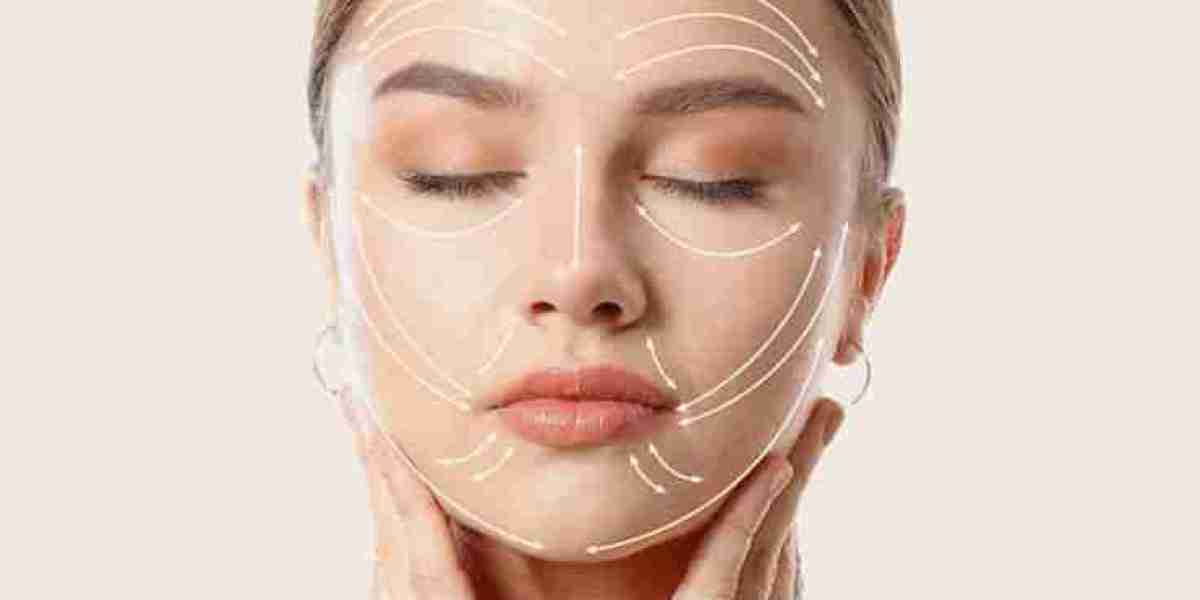

Loose facial tissue is a common concern as the skin and supporting structures change with age. People may notice sagging cheeks, jowls along the jawline, deeper folds around the mouth, or a less defined transition between the face and neck. These changes can affect facial contours and make the face appear older or more tired. Facelift in Riyadh is a surgical option for suitable individuals who want to address sagging tissues and excess skin to achieve a smoother, more refreshed appearance. Understanding the available facelift options can help people explore treatments that match their facial concerns and expectations.
Not everyone with loose facial tissue requires the same procedure. The most appropriate option depends on the location and severity of sagging, skin elasticity, underlying tissue support, general health, and desired results. Some individuals may benefit from a traditional facelift, while others may be suitable for a mini facelift or a nonsurgical approach for milder concerns. A consultation with a qualified plastic surgeon helps determine which treatments may be appropriate and what results can realistically be expected.
Understanding Loose Facial Tissue
Facial tissue can become less firm over time because of changes in collagen, elastin, fat distribution, and the structures that support the skin. These changes may cause the cheeks to descend, the jawline to appear less defined, and folds around the mouth to become more noticeable.
Genetics, sun exposure, smoking, and individual lifestyle factors can influence the rate at which these changes develop. Loose facial tissue does not always mean surgery is necessary. The first step is identifying whether the primary concern involves sagging skin, deeper tissue changes, volume loss, or a combination of these factors.
Traditional Facelift for More Noticeable Sagging
A traditional facelift may be suitable for people experiencing moderate to significant sagging in the cheeks, lower face, and jawline. The procedure generally involves incisions around the ears, allowing the surgeon to reposition underlying facial tissues and remove excess skin when appropriate.
By addressing tissue descent and skin laxity, a traditional facelift may improve jowls and create a more defined facial outline. The exact outcome depends on facial anatomy, skin quality, and the surgical plan. A facelift does not stop aging or eliminate every wrinkle, but it may provide a meaningful improvement for carefully selected candidates.
Mini Facelift for Mild to Moderate Tissue Looseness
A mini facelift is a more limited surgical approach that may be considered when sagging is relatively mild and mainly affects the lower cheeks or jawline. It generally uses shorter incisions and targets selected areas rather than addressing more extensive facial aging.
This option may appeal to individuals seeking a more targeted correction, but it is not suitable for everyone. Significant loose skin, extensive jowling, or concerns involving multiple facial areas may require a different approach. The surgeon should explain the expected extent of improvement and whether a mini facelift can adequately address the patient's concerns.
Deep Plane Facelift for Deeper Tissue Changes
A deep plane facelift focuses on repositioning deeper facial tissues rather than relying primarily on skin tightening. In suitable patients, it may improve sagging in the cheeks and lower face while helping restore smoother facial contours.
This technique requires specialized surgical training and careful patient selection. It is not automatically superior to other facelift procedures, and its suitability depends on the patient's anatomy, degree of tissue descent, and treatment goals. Patients should discuss the potential benefits, limitations, recovery, and risks with a qualified surgeon before choosing this option.
Nonsurgical Options for Selected Concerns
People with mild facial laxity may wish to explore nonsurgical treatments before considering surgery. Depending on the concern, options may include certain energy-based skin treatments or injectable procedures designed to address specific aspects of facial aging.
These approaches have different purposes and limitations. Some may improve skin texture or provide modest tightening, while injectable treatments may address selected volume-related concerns. They generally cannot reproduce the degree of tissue repositioning achieved through a surgical facelift. A qualified practitioner can help determine whether a nonsurgical treatment is appropriate or whether it is unlikely to deliver the desired improvement.
How Skin Elasticity Affects Treatment Selection
Skin elasticity is an important consideration when planning facial rejuvenation. Skin that has lost some of its resilience may not respond to tightening in the same way as firmer skin. The surgeon therefore assesses both skin quality and the underlying structures contributing to the appearance of sagging.
However, elasticity alone does not determine whether someone is a suitable candidate. Facial proportions, the location of excess skin, medical history, and expectations also influence the treatment plan. The aim is to create a balanced and natural-looking result without placing excessive tension on the skin.
Who May Be Suitable for Facelift Surgery?
A suitable candidate may have visible sagging, jowls, or loose facial skin that cannot be adequately addressed through skincare alone. Candidates should generally be in good overall health, understand the limitations of surgery, and have realistic expectations about the outcome.
Age is not the only factor that determines suitability. A surgeon will review medical conditions, medications, smoking habits, previous procedures, and any factors that could affect anesthesia or healing. Individuals with certain health concerns may need additional assessment or may be advised to postpone surgery. A professional evaluation is essential before making a decision.
Recovery and Long-Term Care
Recovery varies depending on the facelift technique and individual healing response. Swelling, bruising, tightness, and temporary changes in sensation can occur after surgery. Many patients need several weeks before returning to most routine activities, while subtle swelling and tissue changes may take several months to settle.
Following postoperative instructions is important. Patients should attend follow-up appointments, care for incisions as directed, and avoid strenuous activity until their surgeon confirms that it is safe. Protecting the skin from excessive sun exposure and maintaining healthy habits can support skin health, although neither prevents the natural aging process.
Understanding the Risks Before Treatment
Facelift surgery carries potential risks, including bleeding, infection, scarring, delayed wound healing, changes in sensation, asymmetry, and complications related to anesthesia. Individual risks vary according to medical history, the procedure, and other personal factors.
Before surgery, discuss all medications, supplements, medical conditions, and smoking habits with your surgeon. Ask about the proposed technique, expected results, alternatives, and recovery requirements. Choosing a qualified plastic surgeon and an appropriate surgical facility is an important part of informed decision-making.
Book a Facelift Consultation at Royal Clinic Saudi
If you are exploring Facelift in Riyadh, Royal Clinic Saudi can be a starting point for discussing loose facial tissue and available treatment options. A consultation with a qualified professional can help assess your facial anatomy, skin condition, degree of sagging, and suitability for surgery. Understanding the expected benefits, possible risks, and recovery requirements can help you choose an approach that aligns with your individual concerns.
FAQs:
1. Which facelift option is suitable for loose facial tissue?
The most suitable option depends on the location and severity of sagging, skin quality, overall health, and treatment goals.
2. Can a mini facelift correct severe facial sagging?
A mini facelift may be insufficient for significant sagging. A surgeon can assess whether a traditional or another approach is more appropriate.
3. Are nonsurgical treatments as effective as a facelift?
Nonsurgical treatments may help selected concerns, but they generally cannot provide the same degree of tissue repositioning as surgery.
4. How long does recovery from a facelift take?
Initial recovery often takes several weeks, while swelling and subtle tissue changes may continue to improve over several months.